- وصف
تراكب ارتداء لوحة: Why Its Production Cycle Is Longer Than Ordinary Steel Plate
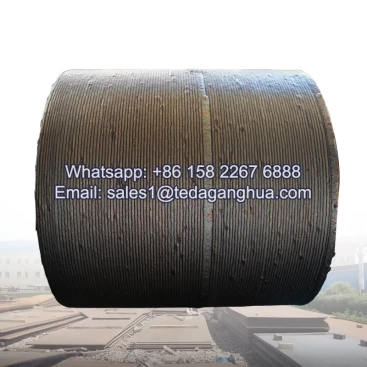
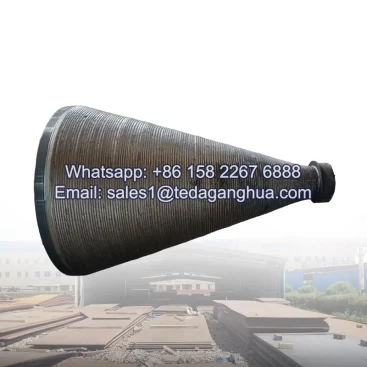
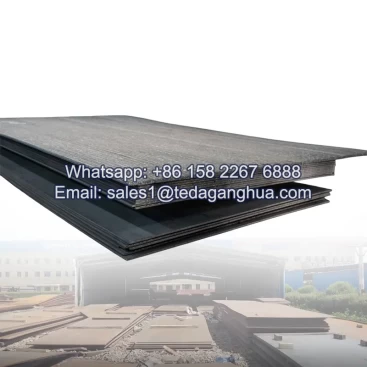
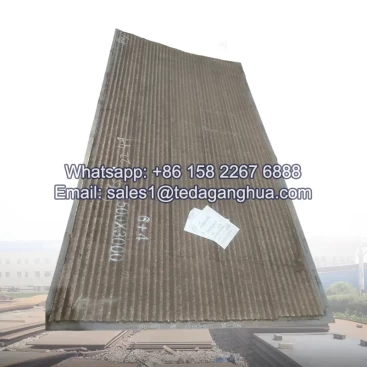
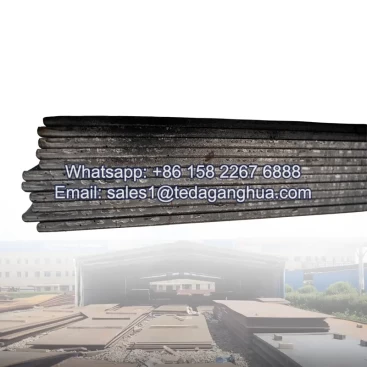
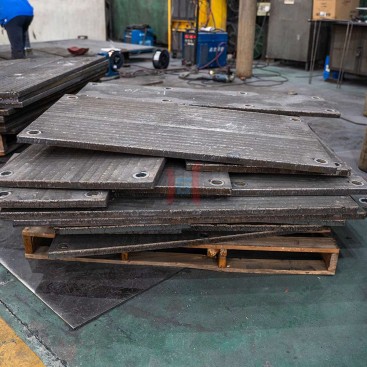
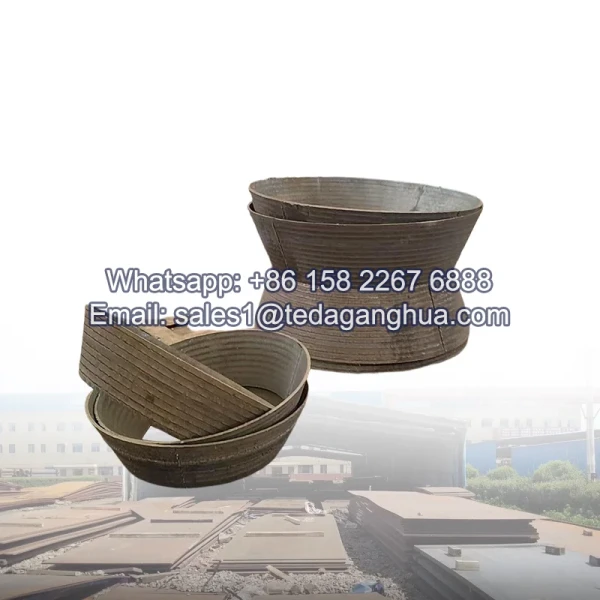
Overlay wear plate is a composite steel product made by depositing a high-hardness alloy layer (مثل كربيد الكروم, كربيد التنغستن, or nickel-based alloys) onto a base steel plate through welding processes. Compared with ordinary steel plates, its manufacturing cycle is significantly longer due to its multi-step and energy-intensive production process.
1. Ordinary Steel Plate vs Overlay Wear Plate Production
| غرض | لوحة الصلب العادية | تراكب ارتداء لوحة |
|---|---|---|
| Production method | Rolling or casting | Multi-layer welding + finishing |
| Main process | Single continuous process | Multi-step complex process |
| Production time | سريع | أطول بكثير |
The key difference is that overlay wear plate is not simply formed — it is built layer by layer.
2. Main Reasons for Longer Processing Cycle
(1) Multi-layer Welding Process
غالبًا ما تتطلب ألواح التآكل المتراكبة تمريرات لحام متعددة لبناء الطبقة المقاومة للتآكل بالسمك المطلوب (عادة 3-10 ملم أو أكثر).
- يجب التحكم بدقة في كل تمريرة
- التبريد مطلوب بين الطبقات
- تزيد الدورات المتعددة من إجمالي وقت الإنتاج
(2) التحكم في الحرارة ووقت التبريد
لتجنب التشقق والتشوه, يجب أن تخضع اللوحة للتدفئة والتبريد الخاضعين للرقابة أثناء الإنتاج.
- التسخين المسبق للوحة القاعدة
- التحكم في درجة الحرارة البينية
- التبريد البطيء بعد اللحام
تعمل هذه الخطوات على إطالة وقت الإنتاج بشكل كبير مقارنةً بدرفلة الفولاذ العادية.
(3) ترسيب السبائك المعقدة
تتطلب أنواع التراكب المختلفة أنظمة سبائك مختلفة:
| نوع التراكب | مستوى التعقيد |
|---|---|
| تراكب كربيد الكروم | واسطة |
| تراكب كربيد معقد | عالي |
| تراكب كربيد التنغستن | عالية جدا |
| تراكب قائم على النيكل | الدقة العالية مطلوبة |
تتطلب أنظمة السبائك الأكثر تعقيدًا تحكمًا أكثر صرامة في العملية وسرعة ترسيب أبطأ.
(4) Low Welding Speed Compared to Rolling
Unlike steel rolling (continuous and high-speed), overlay welding is a slow deposition process:
- Controlled arc or PTA welding speed
- Uniform carbide distribution requirement
- Strict layer thickness control
(5) Quality Inspection and Testing
Each batch must pass multiple inspections before delivery:
- اختبار الصلابة (لجنة حقوق الإنسان)
- Overlay thickness measurement
- Bonding strength inspection
- Surface crack evaluation
These inspections add additional time before shipment.
3. Typical Production Cycle Comparison
| نوع المنتج | Typical Lead Time |
|---|---|
| Ordinary steel plate | 1–3 days (stock or rolling) |
| Standard overlay wear plate | 7–15 days |
| High alloy / custom overlay plate | 15–30+ days |
4. Why Longer Time Means Better Performance
- Better carbide distribution
- Stronger bonding between layers
- Higher wear resistance stability
- Longer service life in real applications
في معظم الحالات, a longer production cycle directly contributes to higher product performance and longer service life.
5. Teda Ganghua Overlay Plate Supply Capability
كمورد محترف للصلب المقاوم للتآكل, تيدا جانجوا provides stable production scheduling for overlay wear plates, including chromium carbide, كربيد معقد, and nickel-based systems. We optimize production planning to balance delivery time and product performance.
We support customized cutting, تلفيق, and wear solution design for mining, أسمنت, فُولاَذ, وصناعات الطاقة.
اكتشف منتجاتنا الفولاذية المقاومة للتآكل هنا:
لوحة تراكب كربيد الكروم
خاتمة
Overlay wear plates require longer production cycles because they involve multi-layer welding, strict heat control, complex alloy systems, and detailed quality inspection. لكن, this extended process ensures superior wear resistance and longer service life compared with ordinary steel plates.