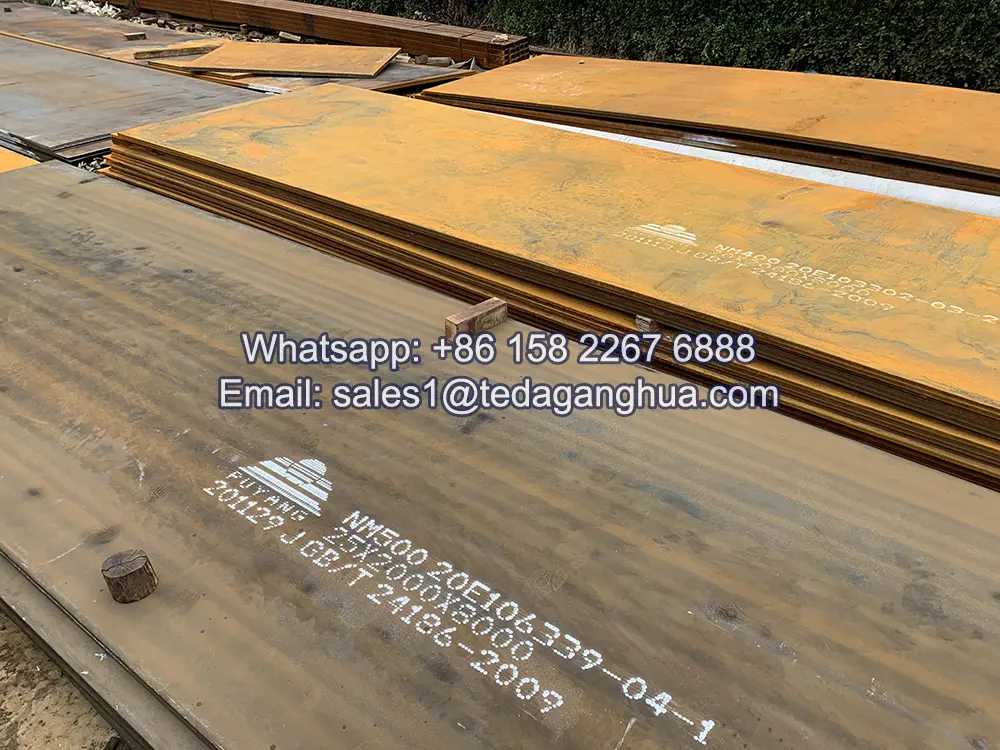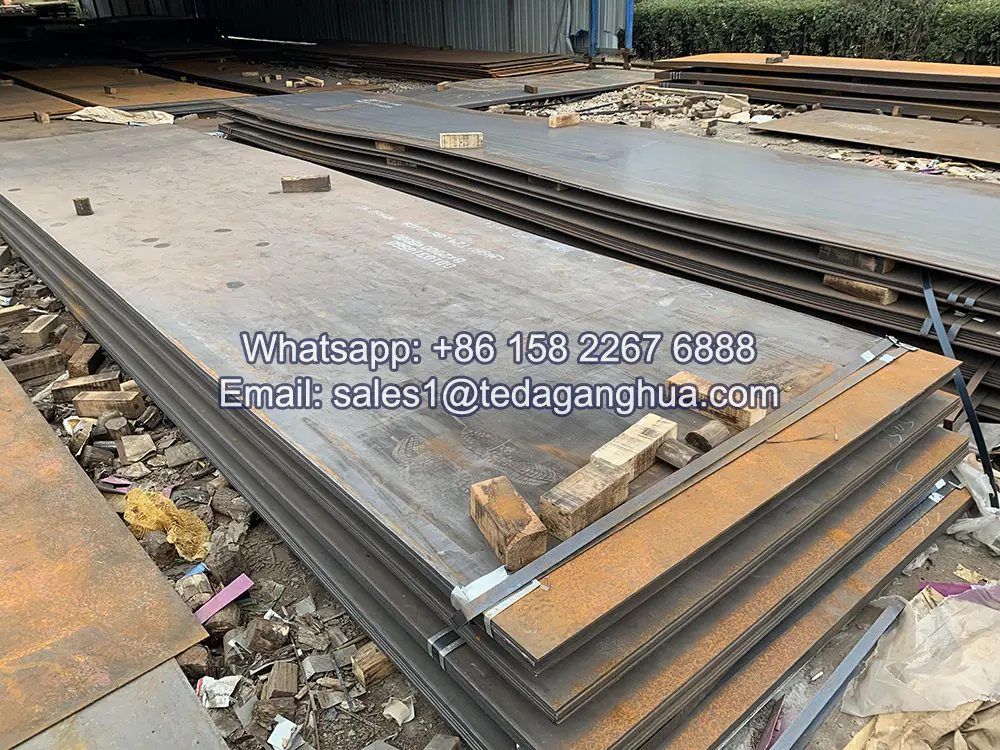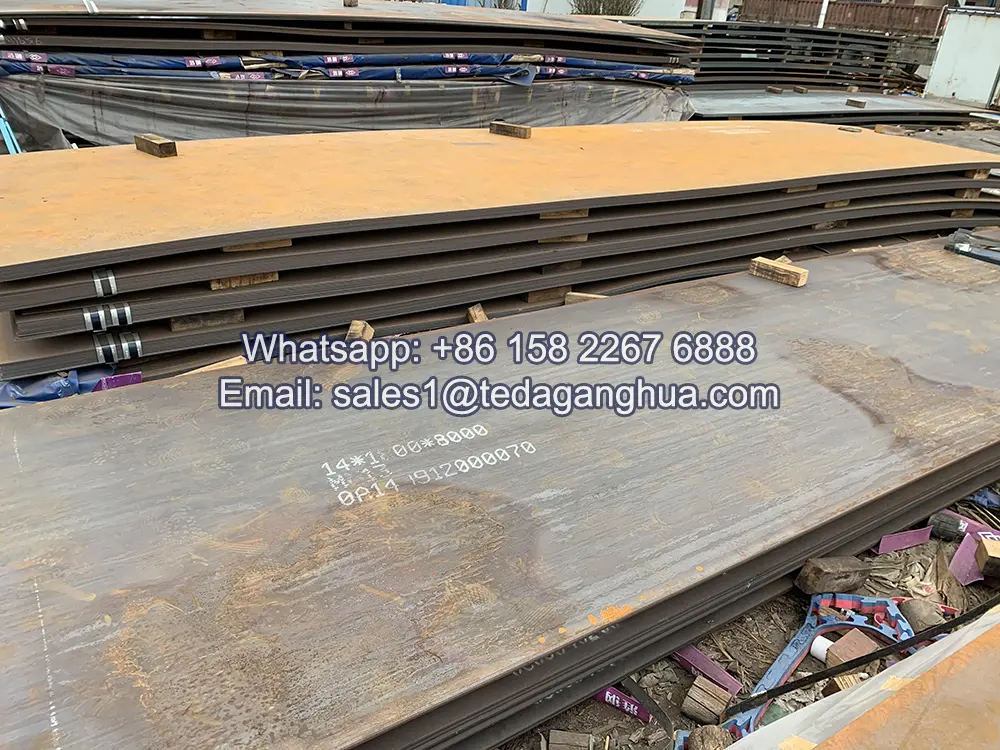
- وصف
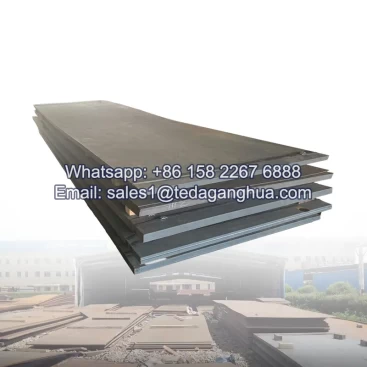
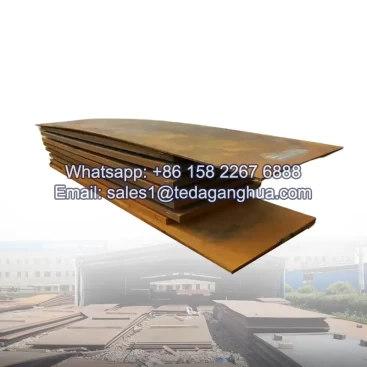
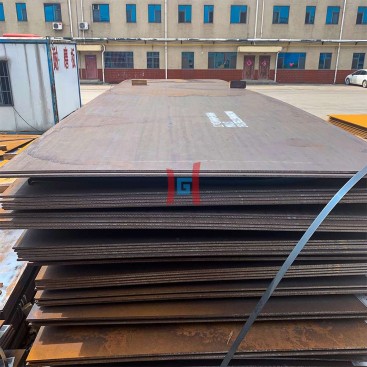
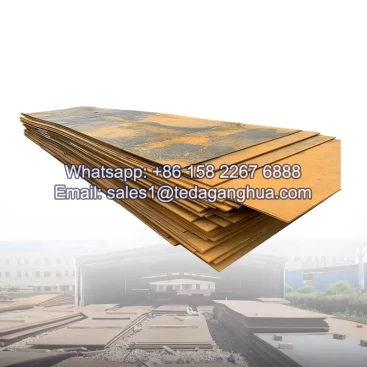
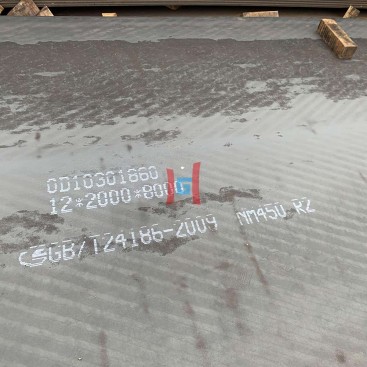
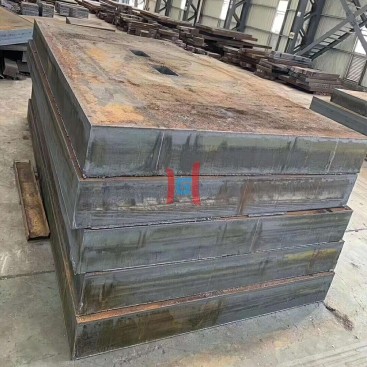
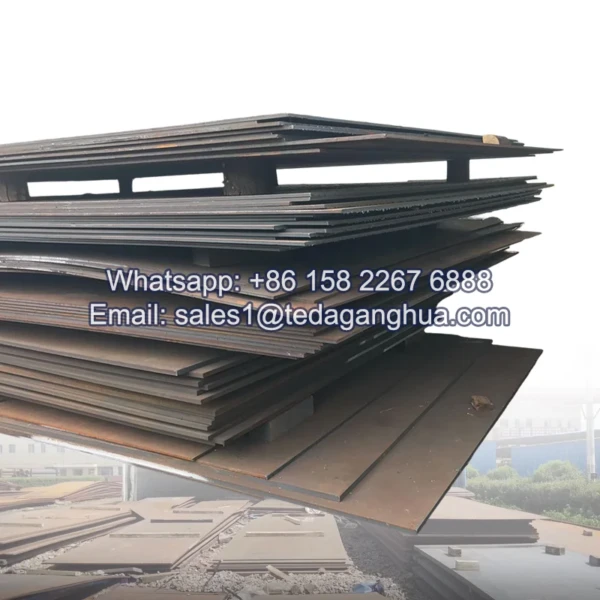
Wear resistant metal refers to a group of high-strength alloy steels designed to withstand severe surface wear, احتكاك, وتأثيرها في البيئات الصناعية الصعبة. These materials are engineered to provide long service life in applications where ordinary carbon steel would fail due to rapid abrasion.
The two most important performance factors of wear resistant metal are صلابة و مقاومة التآكل, which directly determine the durability and service efficiency of industrial equipment.
1. Hardness of Wear Resistant Metal
Hardness is the primary indicator of a material’s ability to resist deformation and surface wear.
Most wear resistant steels are classified by Brinell hardness (غ.ب):
| درجة | مستوى الصلابة |
|---|---|
| AR400 | ~400 غيغابايت |
| AR450 | ~450 حصان |
| AR500 | ~500 غيغابايت |
| AR600 | ~600 غيغابايت |
Hardness Characteristics
- Higher hardness = better resistance to surface indentation and scratching
- Hardness is achieved through alloy composition and heat treatment (التبريد والتلطيف)
- Hard microstructure (usually martensitic) provides wear resistance
لكن, مع زيادة الصلابة:
- Formability decreases
- Welding becomes more difficult
- Toughness may be reduced
2. Abrasion Resistance Mechanism
Wear resistant metal resists abrasion through several mechanisms:
1. صلابة سطحية عالية
Hard surfaces reduce material loss caused by friction and particle impact.
2. Alloy Strengthening
Key elements improve wear performance:
- الكربون (ج): يزيد من صلابة
- الكروم (كر): يحسن مقاومة التآكل
- المنغنيز (من): enhances toughness
- الموليبدينوم (شهر): stabilizes hardened structure
- النيكل (في): improves impact resistance
3. Heat Treatment Structure
Most wear resistant steels use:
- التبريد
- هدأ
This produces a hard and stable microstructure that resists deformation and wear.
3. Relationship Between Hardness and Wear Resistance
عمومًا, wear resistance increases with hardness:
| مستوى الصلابة | ارتداء المقاومة | تطبيق نموذجي |
|---|---|---|
| ~300 غيغابايت | واسطة | Light wear conditions |
| ~400 غيغابايت | جيد | General industrial use |
| ~450 حصان | أحسن | Mining and heavy machinery |
| ~500 غيغابايت | عالي | بيئات التآكل الشديدة |
| ~600 غيغابايت | أقصى | Special high-wear applications |
لكن, wear resistance is not only determined by hardness, but also by:
- Impact level
- نوع الارتداء (انزلاق, تلاعب, تأثير)
- Material environment
4. صلابة مقابل توازن المتانة
Wear resistant metal must balance hardness and toughness:
- High hardness → better wear resistance
- High toughness → better impact resistance
على سبيل المثال:
- AR400: better balance of hardness and toughness
- AR500: higher wear resistance but lower toughness
- AR600: extreme hardness but limited impact resistance
5. Advantages of High Hardness Wear Resistant Metal
- Long service life in abrasive environments
- Reduced equipment maintenance
- تحسين الكفاءة التشغيلية
- Lower replacement frequency
- Better resistance to friction and particle erosion
6. التطبيقات المشتركة
Wear resistant metals are widely used in:
- معدات التعدين (شاحنات تفريغ, دلاء حفارة)
- Crusher and screening systems
- مصانع الأسمنت والركام
- أنظمة معالجة الفحم
- آلات إعادة التدوير
- قطع غيار زراعية
- Industrial liners and chutes