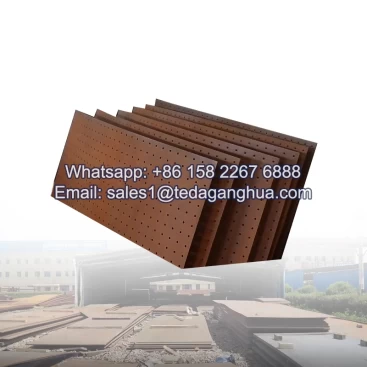
Kosten für Cortenstahlplatten

Corten steel panels are generally more expensive than carbon steel panels due to their alloy composition and weather-resistant performance, but they offer better long-term durability and architectural appearance.
Compared with alloy steel panels, corten steel focuses more on corrosion resistance and decorative value, while alloy steel focuses on strength and engineering performance. The final cost difference depends on the application requirements, Dicke, and processing complexity.
- Beschreibung
Corten steel panels are made from weathering steel, which contains alloying elements that improve corrosion resistance and create a protective rust layer. The cost of corten panels is influenced by:
- Materialqualität (Corten A, Corten B, ASTM A588, usw.)
- Panel thickness
- Sheet size and fabrication complexity
- Oberflächenzustand (mill finish or pre-rusted)
- Schneiden, Biegen, and welding requirements
- Order quantity and project specifications
Compared with standard steel materials, corten steel has a different cost structure due to its alloy composition and architectural demand.
Cost Comparison: Corten Steel vs Carbon Steel Panels
Carbon steel is the most basic and widely used steel material, while corten steel is a weathering alloy steel designed for outdoor exposure.
| Artikel | Cortenstahlplatten | Carbon Steel Panels |
|---|---|---|
| Materialtyp | Weathering alloy steel | Plain carbon steel |
| Korrosionsbeständigkeit | Hoch (selbstschützende Rostschicht) | Niedrig (requires coating/painting) |
| Surface appearance | Dekoratives Rostfinish | Grey industrial finish |
| Initial material cost | Höher | Untere |
| Maintenance cost | Niedrig | Hoch (painting or coating required) |
| Haltbarkeit im Freien | Exzellent | Limited without protection |
Key Difference in Cost Logic
- Carbon steel is cheaper at purchase stage
- Corten steel is more expensive initially but reduces long-term maintenance costs
Cost Comparison: Corten Steel vs Alloy Steel Panels
Alloy steel panels include a wide range of steels with added elements such as manganese, Chrom, Nickel, or molybdenum to improve mechanical strength.
| Artikel | Cortenstahlplatten | Alloy Steel Panels |
|---|---|---|
| Main purpose | Outdoor weather resistance + decoration | High strength and mechanical performance |
| Korrosionsbeständigkeit | Exzellent (self-protecting layer) | Variiert (usually needs coating) |
| Strength level | Mittel bis hoch | High to very high |
| Aussehen | Rusted architectural finish | Industrial metal appearance |
| Cost level | Mittel bis hoch | Often higher depending on grade |
Cost Structure Difference
- Corten steel cost focuses on weather resistance and appearance value
- Alloy steel cost focuses on mechanical strength and performance requirements
Why Corten Steel Panels Are More Expensive Than Carbon Steel
Cortenstahl enthält Legierungselemente wie z:
- Kupfer (Cu)
- Chrom (Cr)
- Nickel (In)
- Phosphor (P)
These elements increase:
- Korrosionsbeständigkeit
- Atmospheric durability
- Self-protective rust layer formation
This makes corten steel more expensive than carbon steel, but more suitable for outdoor architectural use.
Long-Term Cost Perspective
Cortenstahlplatten
- Kein Anstrich erforderlich
- No coating maintenance
- Stable rust layer over time
- Lower lifecycle maintenance cost
Carbon Steel Panels
- Requires painting or galvanizing
- Regular maintenance needed
- Higher long-term maintenance cost
Alloy Steel Panels
- Hängt von der Note ab
- May require surface protection
- Maintenance varies by application
Application-Based Cost Decision
Choose Corten Steel Panels When:
- Architectural facades are required
- Decorative landscape design is needed
- Long-term outdoor durability is important
- Low maintenance is preferred
Choose Carbon Steel Panels When:
- Budget is the main concern
- Temporary structures are used
- Industrial non-decorative applications
- Easy coating protection is available
Choose Alloy Steel Panels When:
- High strength is required
- Mechanical performance is critical
- Engineering structures are involved
Thickness Impact on Cost
| Dicke | Cost Impact |
|---|---|
| 1–3 mm | Lower cost range |
| 3–6 mm | Medium cost range |
| 6–10 mm | Higher cost due to weight |
| 10 mm+ | Structural heavy-duty cost |