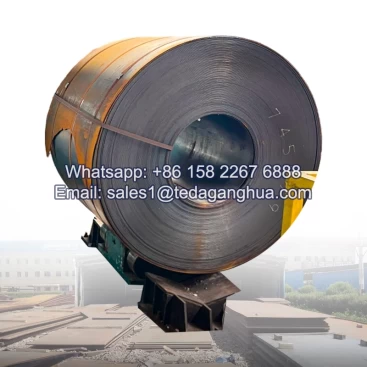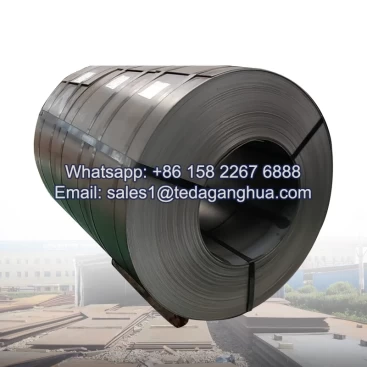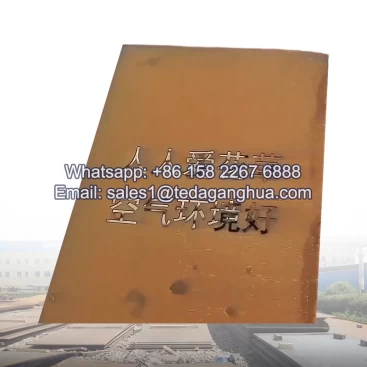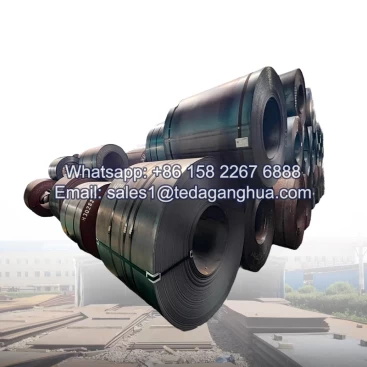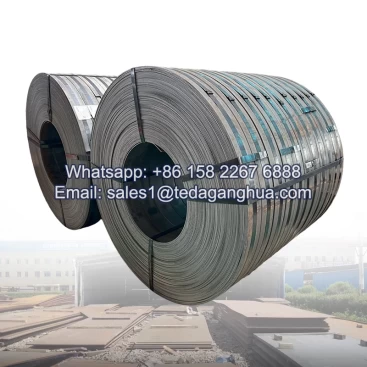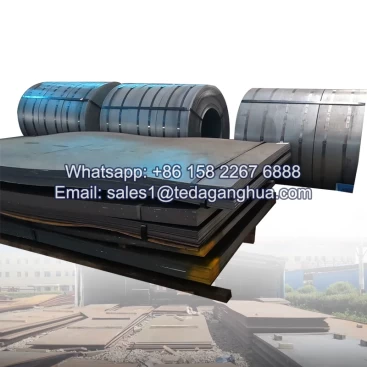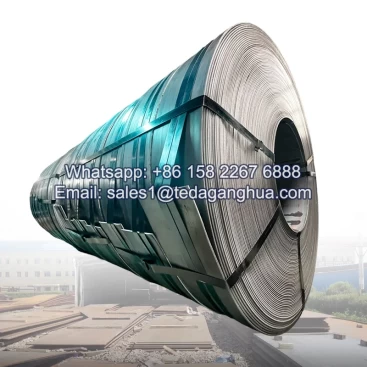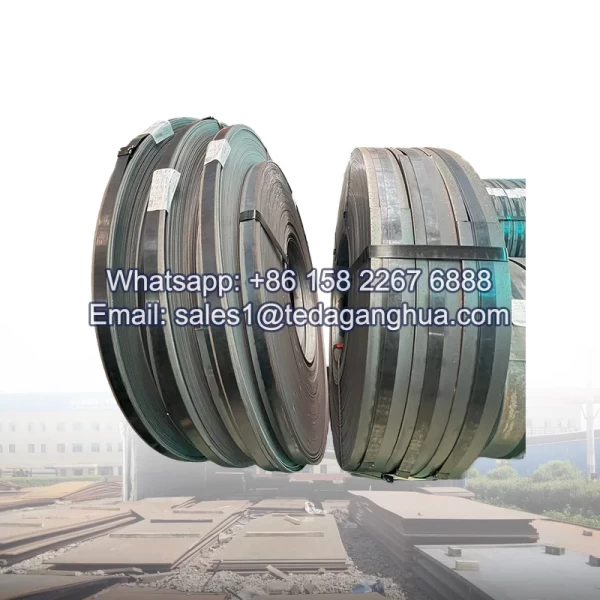
Cortenstahlblech


Cortenstahlblech hat praktisch das gleiche Gewicht wie Kohlenstoffstahl, da beide die gleiche Grunddichte von etwa 100 % haben 7.85 g/cm³. Der Zusatz von Legierungselementen wie Kupfer und Chrom hat keinen wesentlichen Einfluss auf die Gesamtmasse. daher, für die gleiche Dicke und Größe, Cortenstahl und Kohlenstoffstahl wiegen fast genau das gleiche. Der Hauptunterschied zwischen ihnen ist nicht das Gewicht, aber Korrosionsbeständigkeit, Oberflächenerscheinung, und langfristige Outdoor-Leistung.
- Beschreibung
Cortenstahlblech bezieht sich auf witterungsbeständige Stahlbleche, die für architektonische und strukturelle Anwendungen im Außenbereich konzipiert sind. Es wird häufig für Fassadenverkleidungen verwendet, Gartenplatten, Behälter, und Landschaftsstrukturen aufgrund seiner Fähigkeit, eine schützende Rostschicht zu bilden.
Wenn es darum geht Gewicht, Cortenstahlblech ist im Wesentlichen dasselbe wie gewöhnlicher Kohlenstoffstahl, because both materials share nearly identical base density.
Does Corten Steel Weigh More Than Carbon Steel?
The short answer is: NEIN, the weight is almost the same.
Corten steel is a low-alloy carbon steel. Although it contains small amounts of copper, Chrom, und Nickel, these alloying elements do not significantly change its density.
- Corten steel density: ~7.85 g/cm³
- Carbon steel density: ~7.85 g/cm³
This means that for the same thickness and size, the weight difference is negligible (less than 1%).
Weight Comparison Table (Same Thickness)
| Dicke | Material | Weight per m² |
|---|---|---|
| 1.5 mm | Cortenstahl | ~11.78 kg/m² |
| 1.5 mm | Kohlenstoffstahl | ~11.78 kg/m² |
| 3.0 mm | Cortenstahl | ~23.55 kg/m² |
| 3.0 mm | Kohlenstoffstahl | ~23.55 kg/m² |
| 5.0 mm | Cortenstahl | ~39.25 kg/m² |
| 5.0 mm | Kohlenstoffstahl | ~39.25 kg/m² |
Abschluss: Weight is identical because both are based on the same iron-carbon density system.
Why People Think Corten Steel Is Heavier
Although the actual weight is the same, corten steel is sometimes perceived as heavier due to:
1. Surface Rust Layer
The protective rust patina slightly increases surface mass over time, but this increase is extremely small and not structurally significant.
2. Application Thickness Selection
In real projects, corten steel is often used in thicker decorative panels (2–6 mm), while thin carbon steel sheets may be used for temporary structures. This creates an illusion of weight difference.
Structural Performance vs Weight
Even though weight is the same, corten steel performs differently from carbon steel in outdoor environments:
| Eigentum | Cortenstahl | Kohlenstoffstahl |
|---|---|---|
| Dichte | Same | Same |
| Korrosionsbeständigkeit | Hoch | Niedrig |
| Surface stability | Protective rust layer | Continuous rusting |
| Wartung | Niedrig | Hoch |
| Outdoor lifespan | Länger | Kürzer |
This means corten does not gain weight advantage, but it gains durability advantage.
Why Weight Matters in Sheet Metal Applications
In architectural and landscaping projects, weight is important for:
- Wall load design
- Structural support spacing
- Transportation cost
- Installationssicherheit
Da Cortenstahl die gleiche Dichte wie Kohlenstoffstahl hat, Ingenieure können es ohne Anpassung mithilfe von Standardformeln für das Stahlgewicht berechnen.
Standardgewichtsformel
Für Corten- und Kohlenstoffstahlbleche:
Gewicht = Dicke × Breite × Länge × 7,85 Gewicht = Dicke times Breite times Länge times 7.85
Wo:
- Dicke in Metern
- Breite und Länge in Metern
- 7.85 = Stahldichte (g/cm³ Äquivalentfaktor)