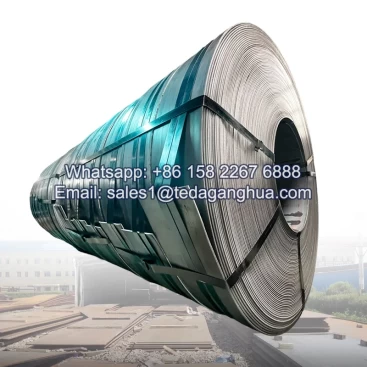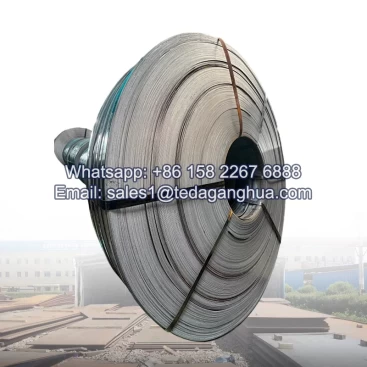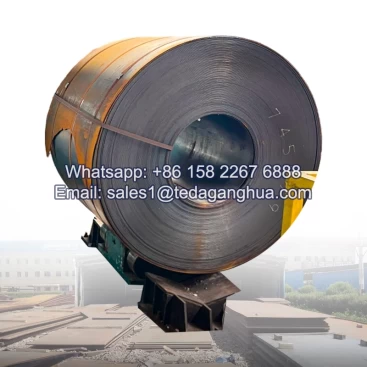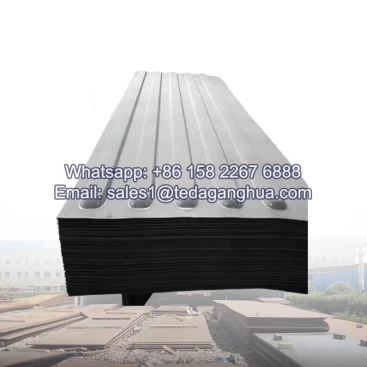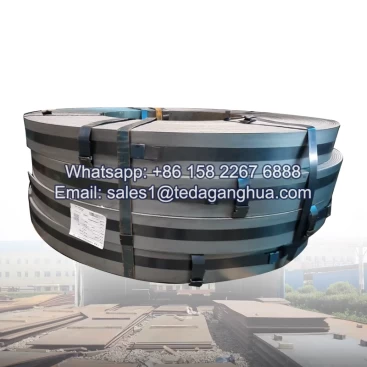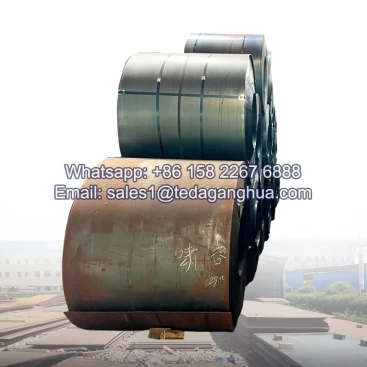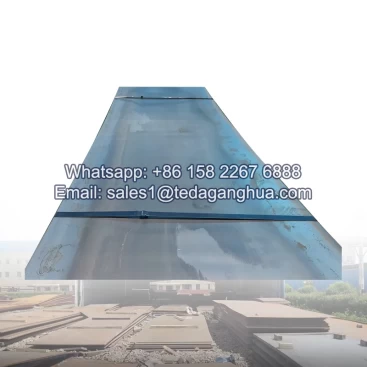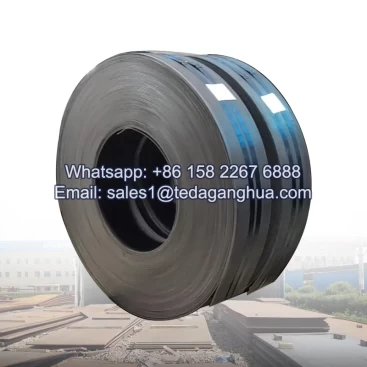
Vorgerosteter Cortenstahl

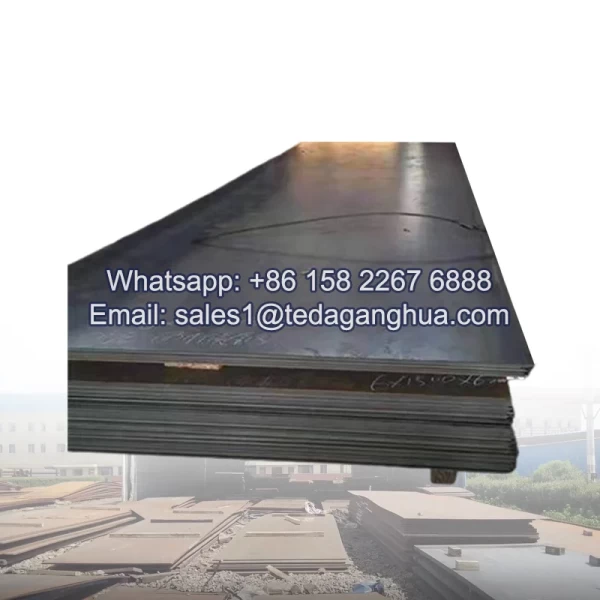
Pre-rusted Corten steel is produced through a controlled oxidation process that simulates months or years of natural weathering in a short time. While natural rusting may take 6 months to 2 years to stabilize, pre-rusting allows steel panels to achieve a uniform and stable red-brown patina before installation. This ensures consistent appearance, faster project completion, and predictable architectural results.
- Beschreibung
Pre-rusted Corten steel refers to weathering steel panels that have been intentionally rusted in a controlled environment before delivery. This process is designed to accelerate the natural oxidation of Corten steel and create a stable, uniform red-brown patina in advance of installation.
Unlike ordinary steel corrosion, this rusting process is engineered, controlled, and time-managed to ensure both aesthetic consistency and long-term corrosion stability.
1. Natural Rusting Time of Corten Steel
When Corten steel is exposed outdoors without pre-treatment, the rusting process generally follows a slow stabilization cycle:
| Bühne | Time Period | Aussehen |
|---|---|---|
| Initial rusting | 1–4 weeks | Hellorange, uneven spots |
| Developing stage | 1–3 months | Expanding rust coverage |
| Übergangsphase | 3–6 Monate | Dark orange-brown color |
| Stabile Patina | 6–24 Monate | Dicht, uniform red-brown surface |
👉 Full stabilization of natural Corten rust can take 6 months to 2 Jahre, abhängig von den klimatischen Bedingungen.
2. Pre-Rusting (Artificial Weathering) Verfahren
To achieve immediate visual results, Corten steel panels are pre-rusted using controlled industrial methods.
Schritt 1: Surface Cleaning
- Remove oil, Skala, und Verunreinigungen
- Ensure uniform surface activation
- Prepare steel for oxidation reaction
Schritt 2: Accelerated Oxidation Treatment
Rust formation is speeded up using controlled conditions:
- Water spray cycles
- Humidity control chambers
- Oxygen exposure environments
- Sometimes mild salt spray (for acceleration)
This allows rust to form evenly across the entire surface.
Schritt 3: Controlled Rust Development
During this stage:
- Eisen reagiert mit Sauerstoff und Feuchtigkeit
- Copper and chromium in the steel stabilize the oxide layer
- Rust becomes progressively denser and more adhesive
- Surface color transitions from orange to brown
Schritt 4: Stabilisierung (Patinabildung)
The final step ensures long-term stability:
- Loose rust particles are removed
- Surface is dried and sealed naturally by oxide layer
- Dense protective patina is formed
- Corrosion rate becomes self-limiting
3. Warum Vorrosten verwendet wird
Pre-rusting is mainly used for architectural and design purposes.
1. Immediate Visual Effect
- No waiting months for natural weathering
- Steel arrives with a finished rust appearance
- Uniform color from day one
2. Color Consistency Control
Natural rusting can vary due to:
- Climate differences
- Humidity levels
- Expositionszeit
- Installation environment
Pre-rusting ensures consistent red-brown color across all panels.
3. Controlled Corrosion Behavior
Even though the surface is rusted:
- The internal steel remains protected
- Rust layer is stable and non-flaking
- Long-term corrosion resistance is maintained
4. Key Features of Pre-Rusted Corten Steel
- Uniform orange-red to dark brown surface
- Accelerated but controlled oxidation process
- Stable protective patina formation
- Reduced on-site weather dependency
- Suitable for architectural decoration and cladding
5. Allgemeine Anwendungen
Pre-rusted Corten steel is widely used in:
- Gebäudefassaden und Außenverkleidungen
- Corrugated wall panels
- Landschafts- und Gartengestaltung
- Architectural screens and fences
- Commercial building decoration
- Outdoor sculptures and installations
- Urban design projects