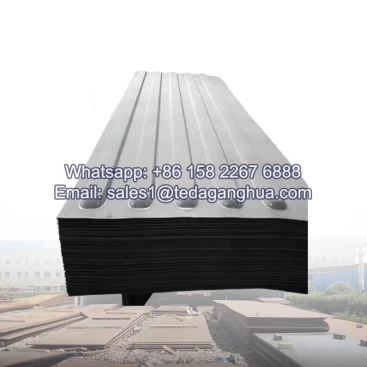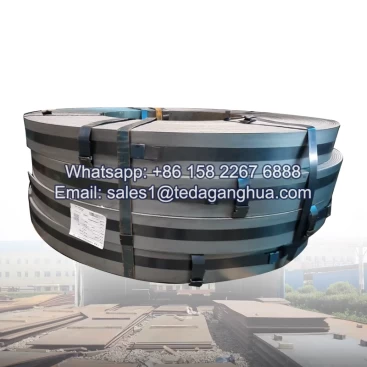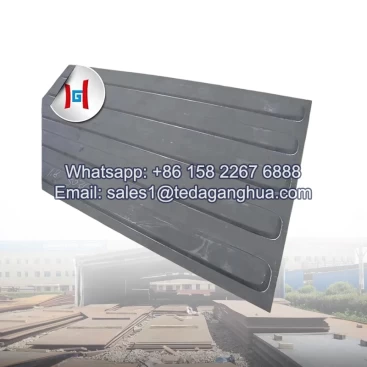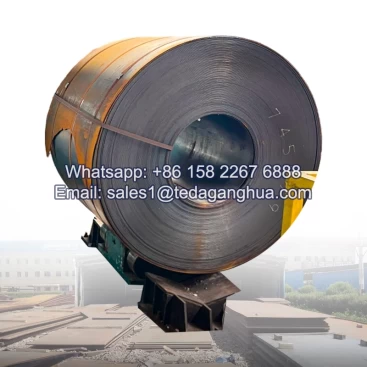
Verrostete Stahlplatten
Rusted steel panels made from Corten steel are fundamentally different from ordinary rusted steel. While carbon steel forms a loose, destructive rust layer that continuously corrodes, Corten steel develops a dense and stable protective patina. This self-protecting rust layer not only slows corrosion but also creates a unique, visually appealing red-brown surface widely used in architectural and landscape design.
- Beschreibung
Rusted steel panels are widely used in architecture and landscape design, especially when made from weathering steel (commonly known as Corten steel). Their unique red-brown surface is not just “rusted steel” in a traditional sense—it is a controlled corrosion layer that behaves very differently from ordinary carbon steel rust.
What Happens When Steel Rusts?
All steel contains iron (Fe). When exposed to oxygen and moisture, it naturally forms iron oxide (Rost). Jedoch, the behavior of this rust depends strongly on the steel composition.
Es gibt zwei Haupttypen:
- Unstable rust (ordinary carbon steel)
- Stable protective rust (Corten weathering steel)
Rust on Ordinary Carbon Steel
When normal steel is exposed outdoors:
- Rust forms quickly on the surface
- Die Rostschicht ist porous and flaky
- Moisture and oxygen continue penetrating the surface
- Rust keeps spreading deeper into the material
Eigenschaften:
- Kontinuierliche Korrosion
- Rust flakes fall off easily
- Surface keeps deteriorating
- Requires paint or coating protection
- Shorter service life in outdoor environments
👉 The rust acts as a non-protective layer
Rust on Corten Steel Panels
Cortenstahl (witterungsbeständiger Stahl) is designed to behave differently. It contains small amounts of alloying elements such as copper (Cu), Chrom (Cr), und Nickel (In).
When exposed to weather:
1. Erste Rostbildung
- Similar to carbon steel at first
- Surface turns orange-brown
2. Stabilization Phase
- Alloy elements modify the oxide structure
- Rust layer becomes dense and tightly bonded
3. Schützende Patinabildung
- A stable “rust skin” forms
- It blocks oxygen and moisture penetration
- Corrosion rate slows dramatically
Key Difference Between Corten Rust and Ordinary Rust
| Besonderheit | Cortenstahlrost | Gewöhnlicher Stahlrost |
|---|---|---|
| Roststruktur | Dicht und stabil | Locker und porös |
| Adhesion to Steel | Starke Bindung | Flakes and peels off |
| Korrosionsverhalten | Selbstlimitierend | Kontinuierliche Korrosion |
| Protection Ability | Schützende Patina | No protection |
| Wartung | Niedrig | Hoch |
| Service Life Outdoors | Lang | Kurz |
Why Corten Steel Rust Looks More Uniform
Rusted steel panels made from Corten steel have a more controlled and aesthetic appearance because:
- Rust develops evenly over time
- Wet/dry weather cycles stabilize the surface
- The patina becomes visually consistent
- No continuous flaking exposes fresh steel
This creates the signature deep red-brown architectural finish used in modern design.
Why Ordinary Rust Looks “Damaged”
In carbon steel panels:
- Rust layers break apart
- Fresh metal is repeatedly exposed
- Corrosion spreads unevenly
- Surface becomes rough and unstable
This results in a damaged, powdery, and structurally weakening surface.
Common Applications of Rusted Corten Steel Panels
Because of their stable appearance and durability, Corten rusted panels are widely used in:
- Architektonische Gebäudefassaden
- Außenwandverkleidung
- Landscape design and garden walls
- Skulpturen und Kunstinstallationen im Freien
- Bridge and infrastructure decoration
- Kommerzielle und städtebauliche Projekte
- Screening walls and privacy panels