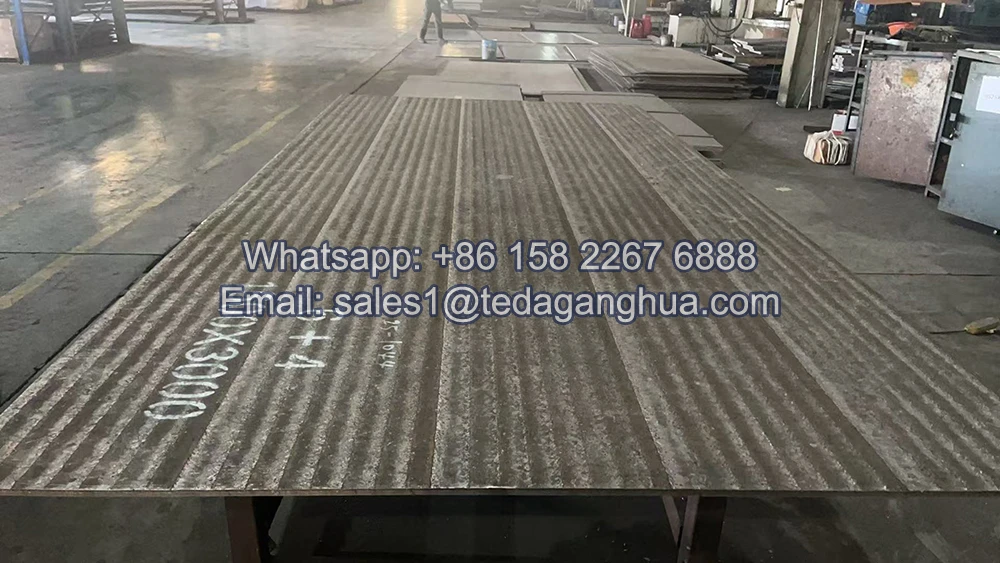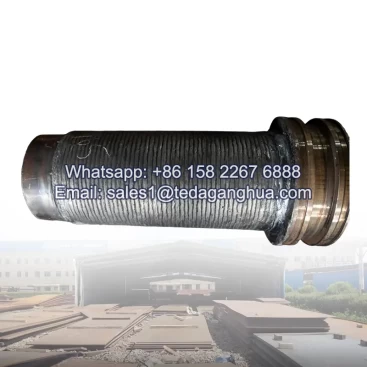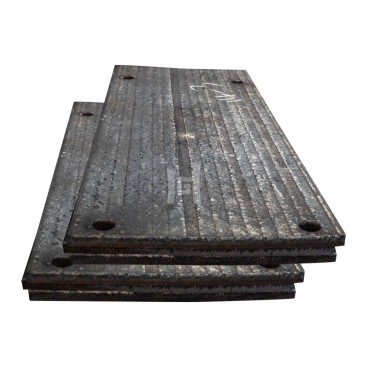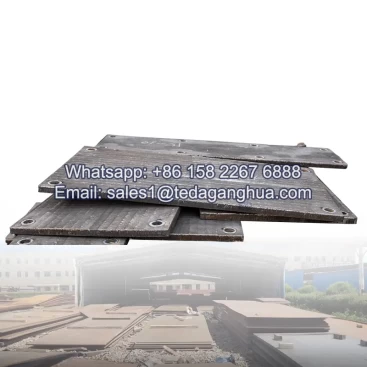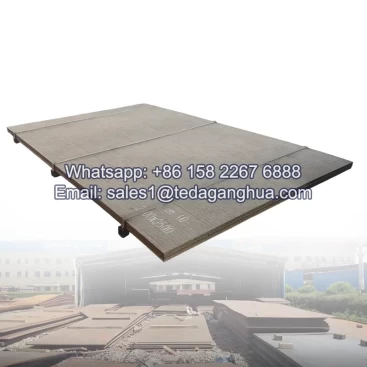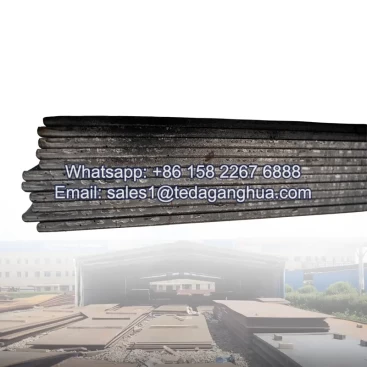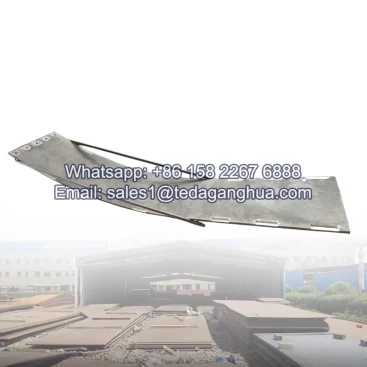
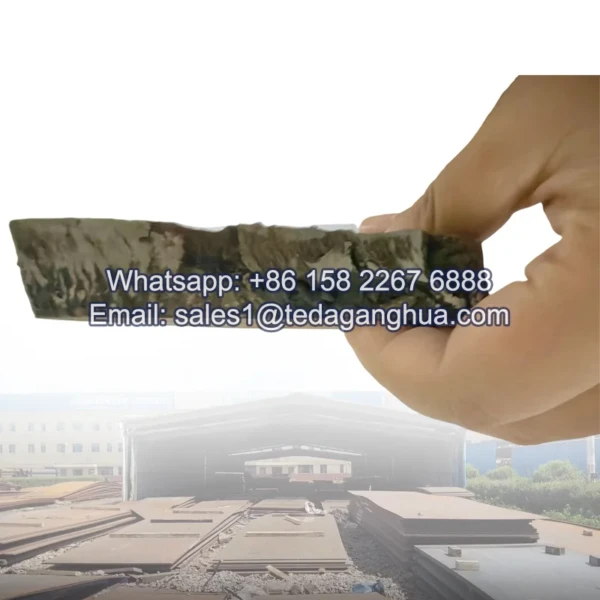
Placa de desgaste bimetálica


Bimetallic Wear Plate combines a tough steel base with a high-hardness alloy wear layer, delivering both structural strength and excellent abrasion resistance. With multiple types such as chromium carbide, carburo de tungsteno, ceramic composite, and manganese-based plates, it can be tailored to different industrial wear conditions. This makes it a highly efficient solution for extending equipment life and reducing maintenance costs in demanding industrial environments.
- Descripción
Bimetallic Wear Plate is a composite wear-resistant material made by bonding two different metals together, typically a tough carbon steel base plate and a high-hardness wear-resistant overlay layer. This structure combines the strength and impact resistance of steel with the extreme wear resistance of alloyed surface materials.
Es muy utilizado en minería., producción de cemento, plantas siderúrgicas, generación de energía, and bulk material handling industries where both abrasion resistance and structural toughness are required.
Estructura de materiales
A bimetallic wear plate consists of two key layers:
- Capa base: Carbon steel or low-alloy steel for structural strength and impact resistance
- Wear Layer: High-hardness alloy overlay for abrasion and erosion resistance
Las dos capas están unidas metalúrgicamente., ensuring strong adhesion and long service life under harsh operating conditions.
Composición química de la capa de desgaste
The surface wear layer varies depending on the overlay type, but commonly includes high-chromium carbide alloys.
| Elemento | Contenido típico (%) | Función |
|---|---|---|
| Cromo (cr) | 20–35 | Forms hard carbides for wear resistance |
| Carbón (do) | 3–5 | Combines with chromium to form carbide phases |
| Hierro (fe) | Balance | Matrix material |
| Manganeso (Minnesota) | pequeña cantidad | Mejora la dureza |
| Silicio (Y) | pequeña cantidad | Stabilizes welding process |
These elements form extremely hard carbide compounds such as Cr₇C₃ and Cr₂₃C₆, which are responsible for high abrasion resistance.
Base Metal Composition
| Elemento | Contenido (%) |
| Carbón (do) | ≤0,25 |
| Manganeso (Minnesota) | 0.5–1,5 |
| Silicio (Y) | ≤0,5 |
| Hierro (fe) | Balance |
The base steel provides ductility and impact resistance, preventing brittle failure of the hard surface layer.
Características de rendimiento
Alta resistencia al desgaste
The hard overlay layer provides excellent resistance to sliding abrasion, particle erosion, and material impact wear.
Buena resistencia al impacto
The base steel absorbs mechanical shock and vibration, making the material suitable for combined wear and impact environments.
Strong Bonding Strength
The metallurgical bonding between layers ensures no delamination under normal working conditions.
Vida útil extendida
Compared with traditional steel plates, bimetallic wear plates significantly extend operational life in harsh industrial environments.
Common Types of Bimetallic Wear Plates
1. Recubrimiento de carburo de cromo (director de operaciones) Lámina
- Most common type
- Dureza extremadamente alta (55–65 HRC)
- Best for severe abrasion environments
2. Placa superpuesta de carburo de tungsteno
- Higher hardness than CCO
- Excellent for extreme wear conditions
- Higher cost and more specialized applications
3. Ceramic-Embedded Wear Plate
- Ceramic particles embedded in metal matrix
- Outstanding abrasion resistance
- Used in high-speed particle erosion environments
4. Mn-Based Impact Wear Plate
- High manganese steel base
- Strong work-hardening capability
- Suitable for high-impact environments
5. Multi-Layer Composite Wear Plate
- Combination of multiple alloy layers
- Designed for mixed wear conditions
- Customized for specific industrial applications
Performance Comparison of Types
| Tipo | Resistencia a la abrasión | Resistencia al impacto | Uso típico |
| Placa CCO | muy alto | Medio | Minería, cemento |
| Tungsten Carbide Plate | Extremadamente alto | Medio-bajo | Zonas de abrasión severa |
| Ceramic Wear Plate | muy alto | Bajo-medio | Particle erosion systems |
| Mn Steel Plate | Medio | muy alto | High-impact equipment |
| Multi-Layer Plate | Adjustable | Adjustable | Complex working conditions |
Aplicaciones típicas
Bimetallic wear plates are widely used in:
- Equipos para minas y canteras
- Cement plant chutes and liners
- Sistemas de manipulación de carbón
- Sistemas de manejo de cenizas de centrales eléctricas.
- Steel plant conveyors and hoppers
- Cucharones de excavadora y camiones volquete
- Sistemas de trituración y cribado.
- Sistemas de transferencia de material a granel