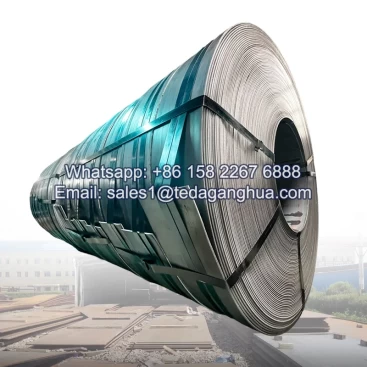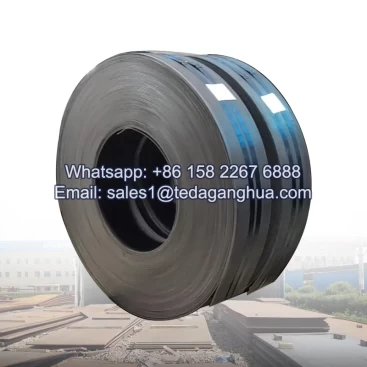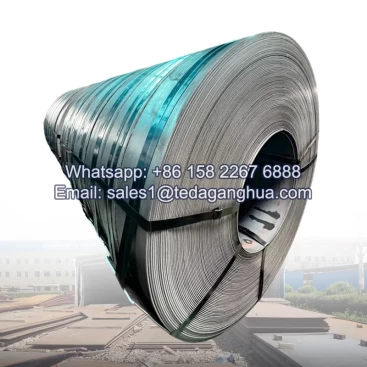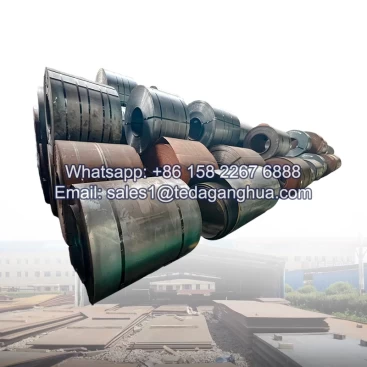
Costo de las láminas de acero corten

Corten steel sheets generally have a higher initial cost than galvanized steel sheets due to their alloy composition and weathering performance. Sin embargo, corten steel offers superior architectural appearance, durabilidad a largo plazo, and reduced maintenance requirements.
En contraste, galvanized steel has a lower upfront cost but relies on a zinc coating for protection, which may require maintenance or replacement over time. The choice between the two materials depends on whether the project prioritizes aesthetic value and long-term performance or initial cost savings.
- Descripción
The cost of corten steel sheets (weathering steel sheets) is influenced by several key factors, incluido:
- Composición de la aleación (cobre, cromo, nickel content)
- Thickness and sheet size
- Processing requirements (corte, doblando, corte por láser)
- Condición de la superficie (acabado de molino o preoxidado)
- Order quantity and supply method
- Transportation and fabrication needs
Because corten steel is a low-alloy special steel, its base cost is generally higher than standard carbon steel.
Why Corten Steel Is More Expensive Than Carbon Steel
Corten steel contains additional alloying elements such as:
- Cobre (Cu)
- Cromo (cr)
- Níquel (En)
- Fósforo (PAG)
These elements improve:
- Resistencia a la corrosión atmosférica
- Durabilidad al aire libre
- Formación de capa de óxido autoprotectora.
Como resultado, corten steel offers longer service life and reduced maintenance, which increases its initial material cost.
Comparación de costos: Corten Steel vs Galvanized Steel
Corten steel and galvanized steel are often compared because both are used for outdoor applications. Sin embargo, they are very different in structure and long-term performance.
| Artículo | Hojas de acero corten | Galvanized Steel Sheets |
|---|---|---|
| Base material | Weathering steel alloy | Acero carbono + zinc coating |
| Protection method | Self-forming rust patina | Zinc protective layer |
| Apariencia | Orange-brown rust finish | Silver metallic finish |
| Costo inicial del material | Más alto | Más bajo |
| Costo de mantenimiento | Bajo | Moderado (zinc layer wear) |
| Service life | Long in atmospheric exposure | Depends on zinc coating thickness |
| Aesthetic value | High architectural value | Industrial appearance |
Diferencia de estructura de costos
Corten Steel Cost Structure
The cost mainly comes from:
- Alloy steel production
- Controlled chemical composition
- Specialized rolling process
- Optional pre-rusting treatment
Corten steel does not require additional coating, cuadro, or galvanizing.
Galvanized Steel Cost Structure
Galvanized steel includes:
- Base carbon steel cost
- Zinc coating process cost
- Galvanizing line processing
- Coating thickness control
While the base material is cheaper, the galvanizing process adds extra manufacturing steps.
Long-Term Cost Consideration
Although corten steel has a higher initial cost, it often provides better long-term value in architectural applications.
Corten Steel Advantages in Long-Term Use
- No se requiere pintura
- No zinc coating maintenance
- Stable rust layer protection
- Larga vida útil al aire libre
- Costo de mantenimiento reducido
Galvanized Steel Considerations
- Zinc coating gradually wears over time
- May require repainting or recoating
- Performance depends on environment
- Maintenance may be needed in long-term exposure
Decisión de costos basada en la aplicación
Choose Corten Steel When:
- Architectural facade design is required
- Decorative landscape structures are needed
- Long-term outdoor appearance is important
- Se prefiere un bajo mantenimiento
Choose Galvanized Steel When:
- Cost-sensitive structural projects
- Industrial construction
- Non-decorative applications
- Temporary or functional structures
Impacto del espesor en el costo
| Espesor | Cost Level Impact |
|---|---|
| 1–2mm | Menor costo de material |
| 3–6mm | Medium cost range |
| 6–10 milímetros | Higher cost due to weight |
| 10 mm+ | Heavy structural cost |
Thicker sheets increase both material and processing cost.