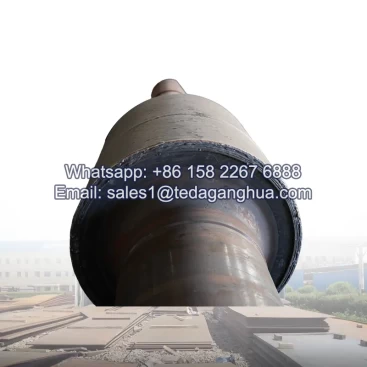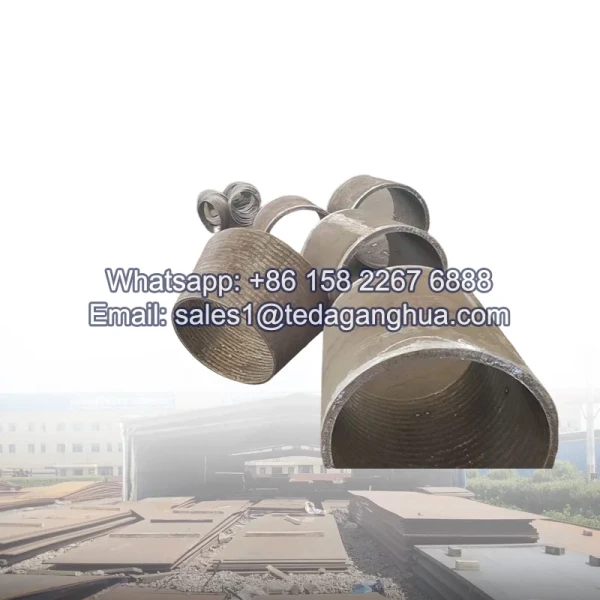


- Descripción
Plasma Arc Overlay Plate: The PTA Process for Precision Hardfacing with Ultra-Low Dilution
Arco transferido por plasma (PTA) overlay technology is one of the most advanced precision hardfacing processes for components requiring high wear resistance, excellent metallurgical bonding, and strict dimensional control.
Compared with conventional overlay welding methods, PTA uses a concentrated plasma arc as the heat source, allowing precise control of the melting zone, extremely low dilution, and consistent alloy performance.
1. What Is Plasma Transferred Arc (PTA) Revestimiento duro?
PTA hardfacing is a powder-based overlay process that uses a transferred plasma arc to melt both the substrate surface and injected alloy powder simultaneously.
The controlled plasma beam creates a stable molten pool where wear-resistant alloy particles are metallurgically bonded to the base material.
| PTA Process Step | Función |
|---|---|
| Plasma arc generation | Creates a high-energy and concentrated heat source |
| Powder alloy feeding | Introduces wear-resistant alloy materials into the molten pool |
| Controlled melting | Forms a precise metallurgical bonding zone |
| Rapid solidification | Creates a dense and wear-resistant microstructure |
2. Why Ultra-Low Dilution Defines PTA Performance
One of the main advantages of PTA overlay is its ultra-low dilution rate, typically below 5%.
Low dilution prevents excessive mixing between the base steel and overlay alloy, allowing the deposited layer to maintain its original chemical composition and hardness.
| Parámetro | PTA Overlay | Traditional Welding Overlay |
|---|---|---|
| Dilution Rate | <5% | 10-25% |
| Grosor de superposición | 1-3 mm per layer | 3-10 mm+ |
| Entrada de calor | Revisado | Más alto |
| Dimensional Accuracy | Excelente | Moderado |
| Alloy Composition Control | muy alto | Medio |
3. PTA vs SAW Overlay: Precision vs Heavy-Duty Deposition
PTA and Submerged Arc Welding (SIERRA) are both metallurgical overlay technologies, but they are designed for different production requirements.
| Característica | PTA Overlay | SAW Overlay |
|---|---|---|
| Propósito principal | Precision hardfacing | Large-area wear protection |
| Espesor de capa | 1-3 milímetros | 3-10 mm+ |
| Dilution Rate | <5% | 10-15% |
| Material Form | Metal powder | Wire or strip electrode |
| Deposition Efficiency | Medio | Alto |
| Best Application | Precision components | Large wear plates and liners |
4. Why PTA Is Ideal for Precision Hardfacing Applications
Valve and Valve Seat Protection
Valve sealing areas require excellent wear resistance while maintaining accurate geometry. PTA provides a controlled overlay layer that can withstand repeated opening, closing, pressure cycles, and abrasive media exposure.
Drilling Tools and Mining Components
Drill tools and mining components often experience severe abrasion combined with impact. PTA allows engineers to apply specialized carbide alloys exactly where protection is required.
Mold and Tooling Repair
For expensive molds and precision tools, PTA minimizes thermal distortion and allows localized repair without affecting the original dimensions.
| Solicitud | PTA Advantage |
|---|---|
| Valve seats | High hardness with precise sealing surface control |
| Drilling tools | Excellent abrasion resistance in localized areas |
| Dies and molds | Low distortion repair process |
| Wear components | Custom alloy selection and controlled thickness |
5. PTA Overlay Alloy Options
PTA technology can deposit various wear-resistant alloys depending on the operating environment.
| Overlay Alloy | Dureza típica | Solicitud |
|---|---|---|
| Chromium Carbide Alloy | CDH 55-62 | Resistencia a la abrasión |
| Aleación a base de níquel | CDH 40-60 | Corrosion and heat resistance |
| Aleación a base de cobalto | CDH 35-55 | High temperature wear |
| Tungsten Carbide Reinforced Alloy | CDH 60+ | Extreme abrasion conditions |
6. When to Choose PTA Instead of SAW
PTA is recommended when the application requires precision, controlled thickness, and minimal dilution.
- Wear layer thickness requirement of 1-3 milímetros
- Precision components with strict dimensional tolerance
- High-value parts requiring repair instead of replacement
- Applications requiring customized alloy composition
SAW remains the preferred choice for large-area wear plates because of its higher deposition rate and lower production cost.
7. Teda Ganghua Wear-Resistant Overlay Solutions
Teda Ganghua provides advanced hardfacing and wear-resistant material solutions for customers requiring reliable protection under demanding industrial conditions.
Our product and service capabilities include:
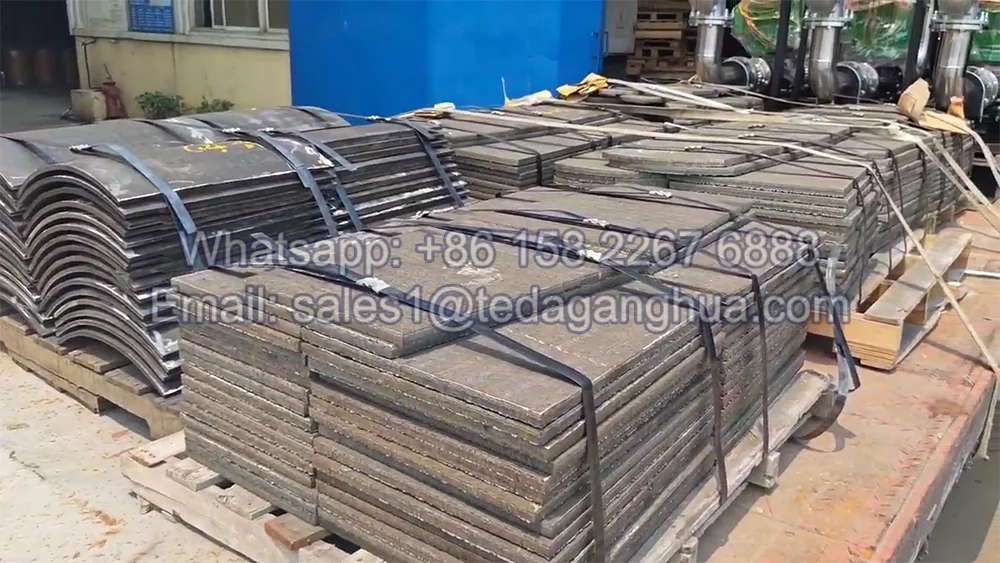
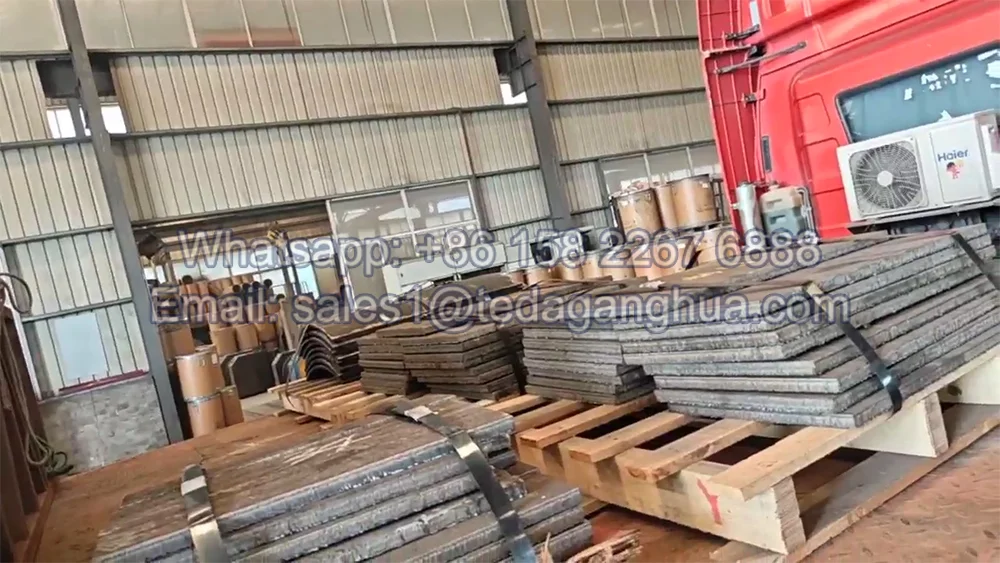
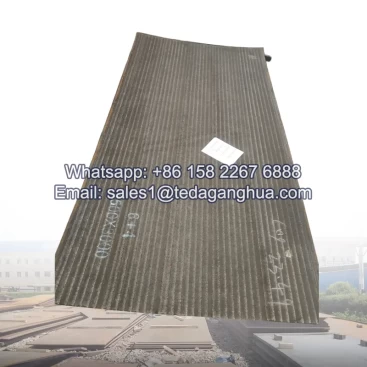
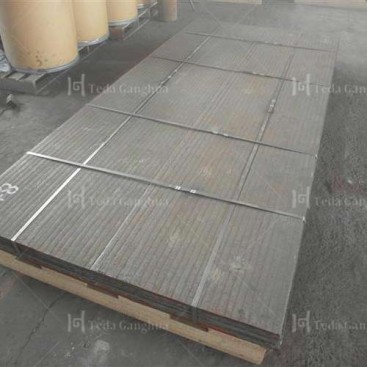
- Placas superpuestas de carburo de cromo.
- Customized hardfacing solutions
- Wear-resistant composite materials
- CNC cutting and fabrication
- Technical support for wear material selection
With professional manufacturing experience and strict quality control systems, Teda Ganghua helps industries including mining, cemento, acero, generación de energía, and heavy equipment reduce maintenance frequency and extend component service life.
Learn more:
Placa de superposición de carburo de cromo
Conclusión
PTA plasma arc overlay provides exceptional precision hardfacing performance through ultra-low dilution, accurate heat control, and strong metallurgical bonding. It is the ideal solution for valves, tooling, drilling components, and other high-value parts requiring controlled wear protection.
For large-scale wear plates and heavy industrial liners, SAW remains the economical choice, while PTA delivers superior precision where performance requirements are more demanding.