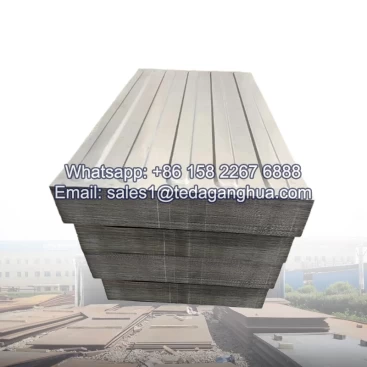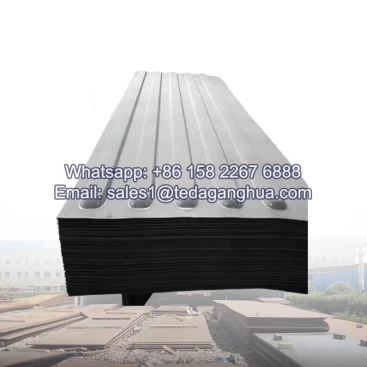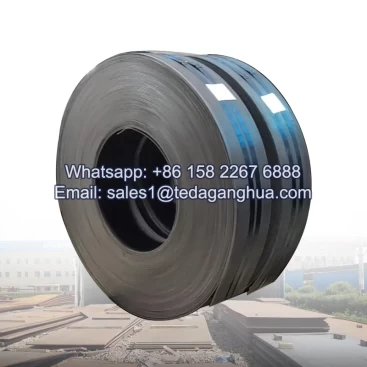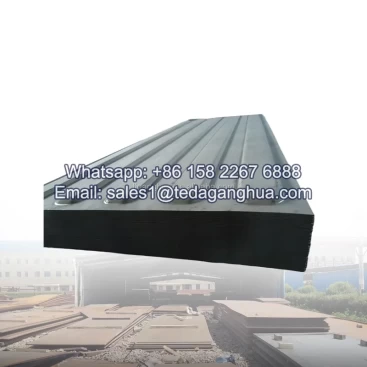
Acero resistente a la intemperie

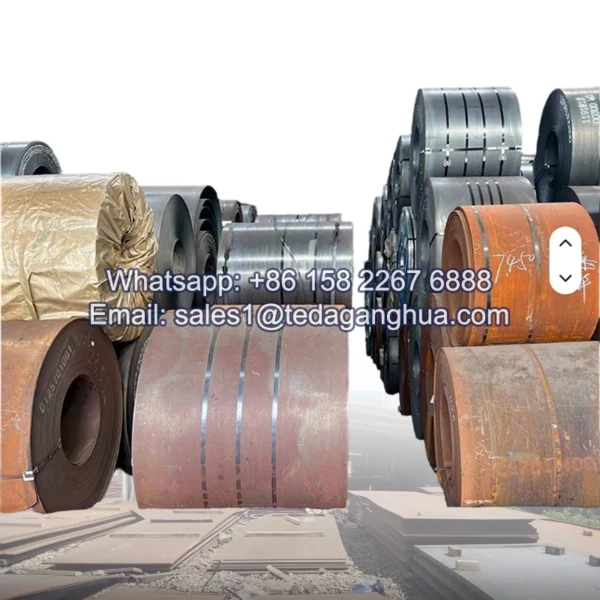
Weathering Steel combines structural strength with superior atmospheric corrosion resistance through the formation of a stable protective patina. Its excellent durability, bajos requisitos de mantenimiento, and wide adaptability make it an ideal material for infrastructure, construcción, equipos industriales, energy systems, and landscape applications. It continues to be a preferred choice for long-life engineering projects exposed to outdoor environments.
- Descripción
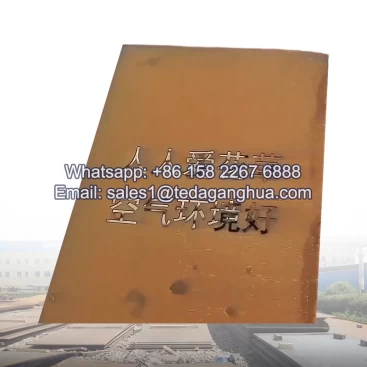
Weathering Steel is a group of low-alloy steels designed to develop a stable, protective oxide layer when exposed to atmospheric conditions. This self-protecting rust patina significantly improves corrosion resistance and reduces the need for painting or additional surface protection. Because of its durability and distinctive appearance, Weathering Steel is widely used in industrial, arquitectónico, and infrastructure projects.
Características clave de rendimiento
Excelente resistencia a la corrosión atmosférica
Weathering Steel forms a dense and adherent oxide layer when exposed to alternating wet and dry environments. This layer acts as a protective barrier that slows further corrosion and extends service life.
Self-Protecting Rust Patina
Unlike conventional carbon steel, the rust formed on Weathering Steel is stable and non-flaking. It bonds tightly to the surface, preventing deep material degradation.
Alta resistencia estructural
Weathering Steel retains the mechanical strength of low-alloy structural steel, making it suitable for load-bearing and heavy-duty applications.
Requisito de mantenimiento bajo
Once the protective patina is fully developed, the material generally does not require painting or regular coating maintenance, reducing long-term operating costs.
Improved Lifecycle Performance
The combination of strength and corrosion resistance provides excellent long-term durability in outdoor and industrial environments.
Performance Development Process
| Escenario | Condición de la superficie |
|---|---|
| Initial Exposure | Metallic gray surface |
| Early Weathering | Light orange rust formation |
| Transition Stage | Mixed and uneven oxidation |
| Mature Patina | Dense reddish-brown protective layer |
This transformation typically occurs under natural atmospheric exposure over time, depending on environmental conditions such as humidity, rainfall, and pollution levels.
Industrial Applications of Weathering Steel
Weathering Steel is widely used across multiple industries due to its durability and self-protecting properties.
Infrastructure and Transportation
Weathering Steel is commonly applied in large-scale structural projects:
- Bridges and overpasses
- Railway structures and rolling stock
- Highway guardrails and barriers
- Tunnel support systems
- Signage structures and poles
Its long service life and reduced maintenance needs make it ideal for infrastructure exposed to harsh environments.
Construction and Architecture
En la arquitectura moderna, Weathering Steel is valued for both performance and aesthetics:
- Building facades and curtain walls
- Paneles de revestimiento exterior
- Roofing systems
- Structural framing elements
- Public buildings and cultural centers
Equipos industriales
Weathering Steel is used in environments requiring strong corrosion resistance and structural reliability:
- Heavy machinery structures
- Industrial storage systems
- Equipment enclosures
- Power plant structures
- Mining and processing facilities
Energy and Environmental Projects
The material performs well in outdoor energy-related installations:
- Wind turbine support structures
- Solar energy frameworks
- Biomass and waste treatment facilities
- Environmental protection structures
Landscaping and Urban Design
Weathering Steel is also widely used for decorative and functional landscape elements:
- Muros de contención
- Garden edging systems
- Esculturas al aire libre
- Urban furniture and installations
- Park and public space design elements
Ventajas en uso industrial
- Long service life in exposed environments
- Reduced maintenance and repainting costs
- High resistance to atmospheric corrosion
- Strong mechanical performance under load
- Adaptability to complex fabrication processes
- Distinctive aesthetic appearance for architectural projects