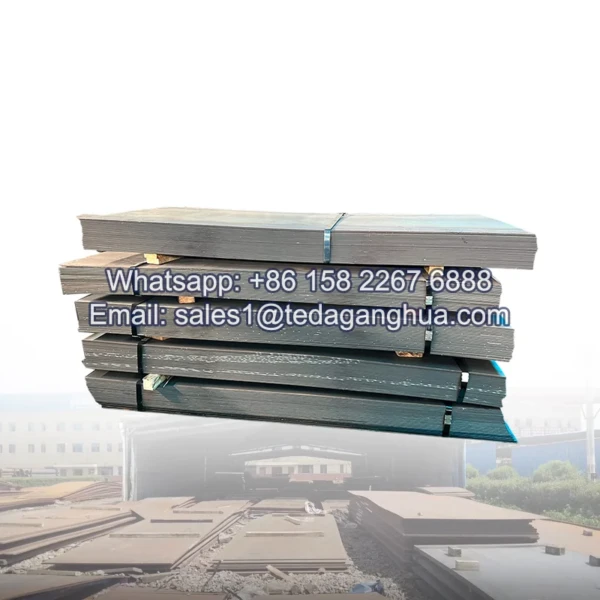
Acier Corten


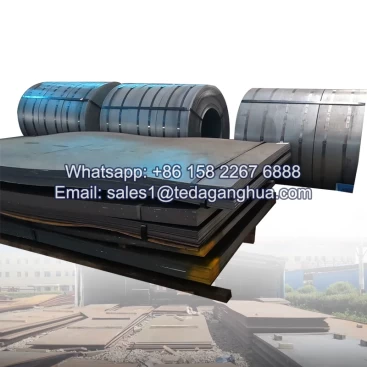
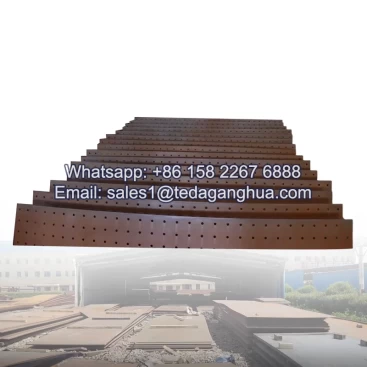
The surface of Corten Stål undergoes a clear transformation from a bright metallic finish to a stable reddish-brown patina. This change is not only visual but also functional, as the weathered layer provides long-term protection against corrosion. This unique characteristic makes Corten steel widely used in architecture, aménagement paysager, et applications structurelles extérieures.
- Description
Acier Corten (Acier Corten), également connu sous le nom d'acier patinable, is a low-alloy steel designed to develop a protective oxide layer when exposed to outdoor environments. Its most distinctive feature is the transformation of surface appearance over time, changing from a fresh metallic finish to a stable rust-like patina.
This natural weathering process not only changes the visual appearance but also improves corrosion resistance and extends service life in outdoor applications.
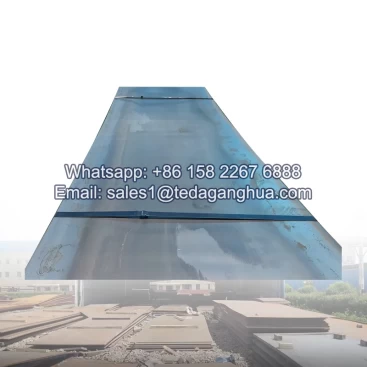
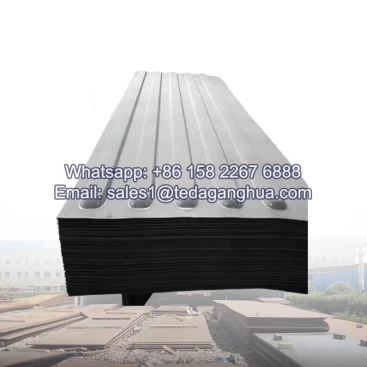
Surface Condition Before Weathering
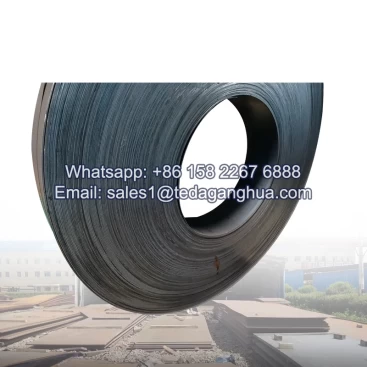
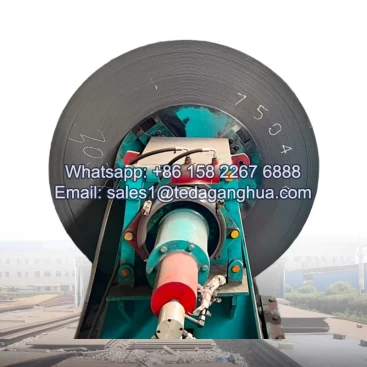
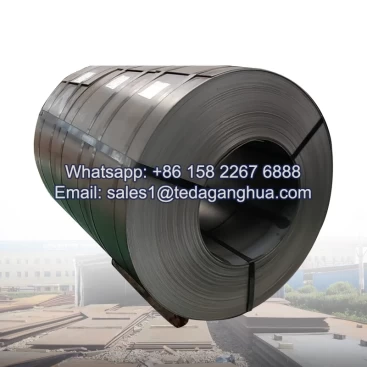
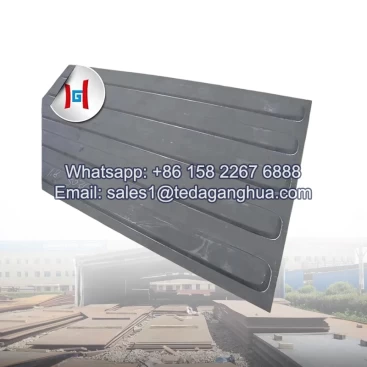
When Corten steel is newly produced or freshly processed, its surface shows a typical metallic appearance similar to carbon steel.
Principales fonctionnalités (Unweathered State)
- Bright metallic gray surface
- Smooth and clean finish after rolling or cutting
- No visible rust or oxidation layer
- Slight industrial sheen depending on processing method
- High reflectivity compared to aged steel
In this stage, the steel is still in its initial protective condition and has not yet formed the weathering layer. If exposed to moisture without proper conditions, it may show temporary surface rust before stabilization.
Early Weathering Stage
After exposure to air, humidité, and alternating wet-dry cycles, the surface begins to oxidize.
Caractéristiques
- Light orange or yellow rust spots appear
- Uneven oxidation patterns form
- Surface color begins to darken
- Rust layer is still loose and unstable
- Water runoff may cause temporary staining
A ce stade, the steel is transitioning toward forming a protective layer, but it is not yet fully stabilized.
Mature Weathered Surface
Au fil du temps, the oxidation process stabilizes, and a dense protective patina forms on the surface.
Final Appearance Features
- Uniform reddish-brown or dark brown color
- Dense and tightly bonded oxide layer
- Matte, textured surface finish
- Reduced surface rust shedding
- Strong resistance to further corrosion
This stable patina acts as a natural barrier, slowing down further corrosion and protecting the underlying steel.
Surface Comparison: Before vs After Weathering
| Fonctionnalité | Before Weathering | After Weathering |
|---|---|---|
| Couleur | Bright metallic gray | Brun rougeâtre / dark brown |
| État des surfaces | Smooth and clean | Textured and matte |
| Rust Layer | Aucun | Stable protective patina |
| Comportement à la corrosion | Active oxidation possible | Controlled and self-protecting |
| Exigence d'entretien | May require protection | Entretien minimal |
Weathering Mechanism Overview
The transformation occurs through a natural oxidation process:
- Initial exposure to oxygen and moisture
- Formation of loose iron oxide
- Repeated wet-dry cycles
- Development of dense alloy-rich protective layer
- Stabilization of corrosion rate
Alloying elements such as copper, chrome, nickel, and phosphorus help accelerate the formation of a stable and adherent rust layer.
Application Value of Surface Transformation
The unique surface evolution of Corten steel provides both functional and aesthetic benefits:
- Decorative architectural design with natural color change
- Durabilité extérieure à long terme
- Reduced need for painting or coating
- Distinctive industrial and modern appearance
- Integration with landscape and environment