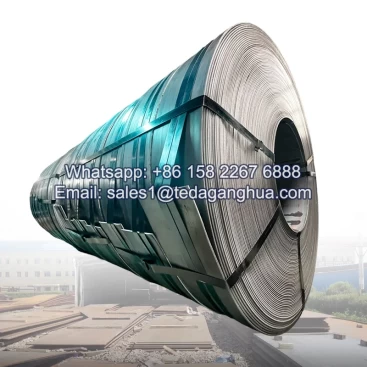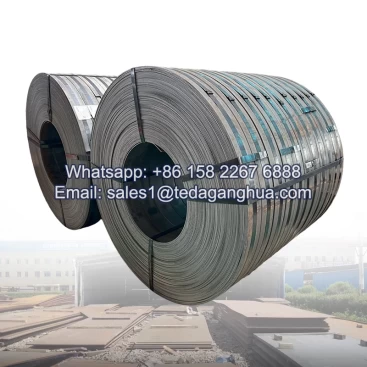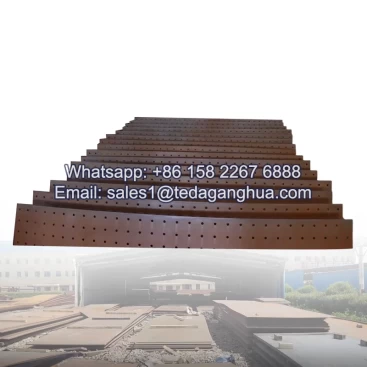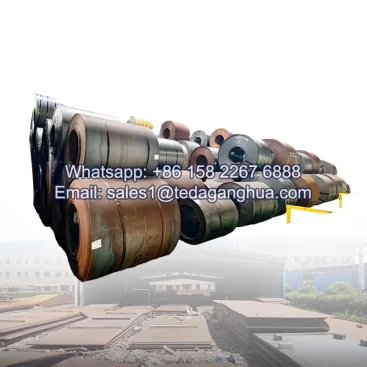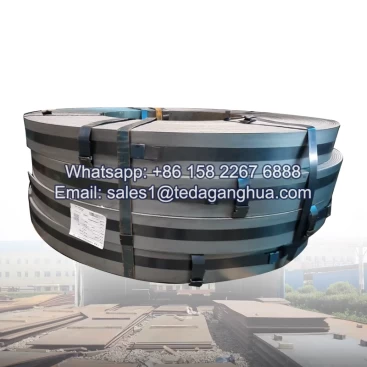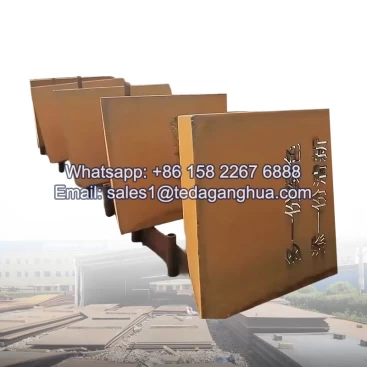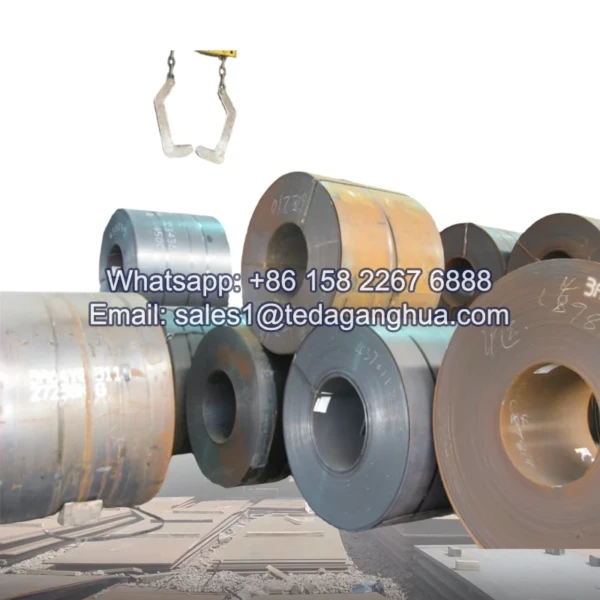
Coût des tôles d'acier Corten

Corten steel sheets generally have a higher initial cost than galvanized steel sheets due to their alloy composition and weathering performance. Cependant, corten steel offers superior architectural appearance, durabilité à long terme, and reduced maintenance requirements.
En revanche, galvanized steel has a lower upfront cost but relies on a zinc coating for protection, which may require maintenance or replacement over time. The choice between the two materials depends on whether the project prioritizes aesthetic value and long-term performance or initial cost savings.
- Description
The cost of corten steel sheets (weathering steel sheets) is influenced by several key factors, y compris:
- Composition de l'alliage (cuivre, chrome, nickel content)
- Thickness and sheet size
- Processing requirements (coupe, flexion, découpe laser)
- État des surfaces (finition usinée ou pré-rouillé)
- Order quantity and supply method
- Transportation and fabrication needs
Because corten steel is a low-alloy special steel, its base cost is generally higher than standard carbon steel.
Why Corten Steel Is More Expensive Than Carbon Steel
Corten steel contains additional alloying elements such as:
- Cuivre (Cu)
- Chrome (Cr)
- Nickel (Dans)
- Phosphore (P.)
These elements improve:
- Résistance à la corrosion atmosphérique
- Durabilité en extérieur
- Formation d’une couche de rouille auto-protectrice
Par conséquent, corten steel offers longer service life and reduced maintenance, which increases its initial material cost.
Comparaison des coûts: Acier Corten vs acier galvanisé
Corten steel and galvanized steel are often compared because both are used for outdoor applications. Cependant, they are very different in structure and long-term performance.
| Article | Tôles d'acier Corten | Galvanized Steel Sheets |
|---|---|---|
| Base material | Alliage d'acier résistant aux intempéries | Acier au carbone + zinc coating |
| Méthode de protection | Self-forming rust patina | Zinc protective layer |
| Apparence | Orange-brown rust finish | Silver metallic finish |
| Coût matériel initial | Plus haut | Inférieur |
| Coût d'entretien | Faible | Modéré (zinc layer wear) |
| Durée de vie | Long in atmospheric exposure | Depends on zinc coating thickness |
| Aesthetic value | High architectural value | Industrial appearance |
Différence de structure de coûts
Corten Steel Cost Structure
The cost mainly comes from:
- Alloy steel production
- Controlled chemical composition
- Specialized rolling process
- Optional pre-rusting treatment
Corten steel does not require additional coating, peinture, or galvanizing.
Galvanized Steel Cost Structure
Galvanized steel includes:
- Base carbon steel cost
- Zinc coating process cost
- Galvanizing line processing
- Coating thickness control
While the base material is cheaper, the galvanizing process adds extra manufacturing steps.
Long-Term Cost Consideration
Although corten steel has a higher initial cost, it often provides better long-term value in architectural applications.
Corten Steel Advantages in Long-Term Use
- Aucune peinture requise
- No zinc coating maintenance
- Stable rust layer protection
- Longue durée de vie en extérieur
- Coût de maintenance réduit
Galvanized Steel Considerations
- Zinc coating gradually wears over time
- May require repainting or recoating
- Performance depends on environment
- Maintenance may be needed in long-term exposure
Décision de coût basée sur la demande
Choose Corten Steel When:
- Architectural facade design is required
- Decorative landscape structures are needed
- Long-term outdoor appearance is important
- Un faible entretien est préférable
Choose Galvanized Steel When:
- Cost-sensitive structural projects
- Industrial construction
- Non-decorative applications
- Temporary or functional structures
Impact de l'épaisseur sur le coût
| Épaisseur | Cost Level Impact |
|---|---|
| 1–2 mm | Coût matériel inférieur |
| 3–6mm | Gamme de coûts moyenne |
| 6–10mm | Coût plus élevé en raison du poids |
| 10 mm+ | Heavy structural cost |
Thicker sheets increase both material and processing cost.