
- Description
Fusion Bonded Wear Plate Technology: How the Metallurgical Bond Between Base Steel and Overlay Defines Performance
In severe wear environments, the performance of a wear plate depends on more than surface hardness. The real difference between a reliable overlay plate and a failed product often comes from the bonding quality between the wear layer and the steel substrate.
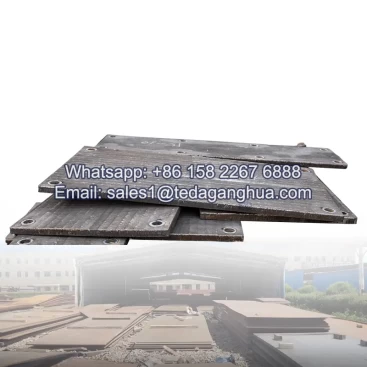
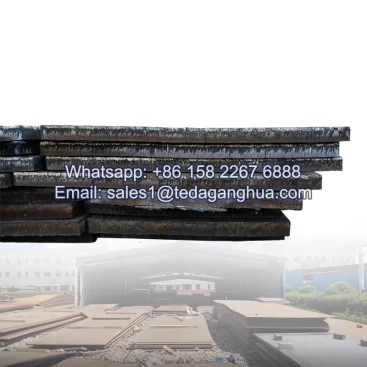
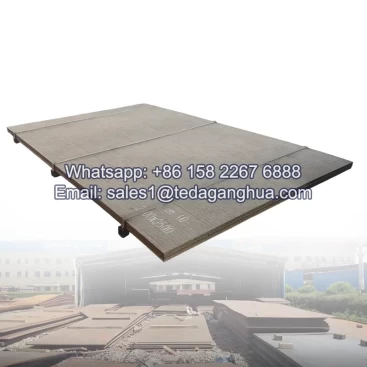
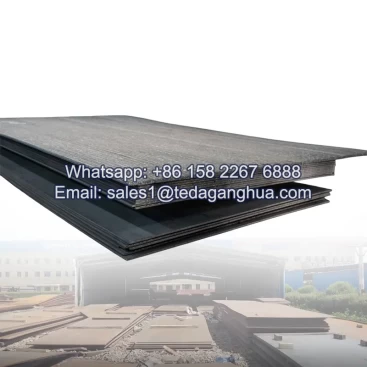
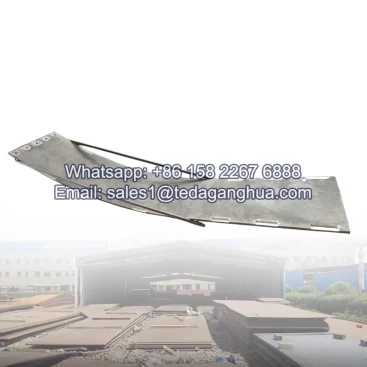
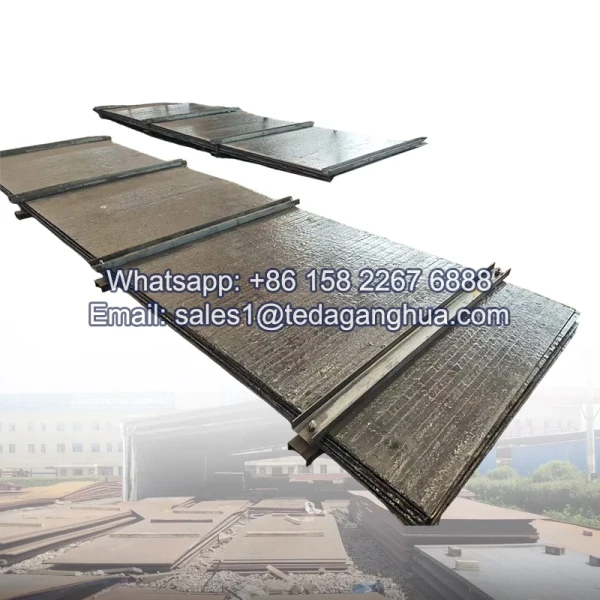
Fusion bonded wear plate technology creates a metallurgical bond between a tough steel backing plate and a high-alloy wear-resistant overlay layer. Unlike mechanical fastening or adhesive bonding, fusion bonding forms a permanent connection through controlled melting, alloy diffusion, and solidification.
This technology is widely used in chromium carbide overlay plates for mining, ciment, acier, production d'énergie, and heavy industrial applications where impact, abrasion, and long service life are critical.
1. What Does Fusion Bonded Mean in Wear Plates?
Fusion bonding refers to the metallurgical connection created when the overlay alloy and base steel partially melt together during welding.
The bonding structure includes three main zones:
| Zone | Fonction |
|---|---|
| Wear-resistant overlay layer | Provides high hardness and abrasion resistance |
| Dilution zone | Transition area where alloy elements diffuse between layers |
| Steel substrate | Fournit de la ténacité, résistance aux chocs, et soutien structurel |
The result is a composite material combining:
- High surface hardness from alloy carbides
- Strong impact resistance from the steel base
- Permanent metallurgical attachment between layers
2. How the Metallurgical Bond Forms
During the overlay welding process, heat generated by the welding arc melts both the filler alloy and a controlled depth of the base steel.
The bonding process involves:
- Heat input melts the alloy powder or welding wire
- Base steel surface partially melts
- Fer, chrome, carbone, and alloy elements diffuse across the interface
- Carbide structures form during cooling
- A metallurgical transition layer develops between the two materials
This diffusion-based connection creates a strong interface that can withstand heavy mechanical loading.
3. Microstructure of Fe-Cr-C Alloy Interface
Chromium carbide overlay plates commonly use a Fe-Cr-C alloy system. The wear resistance mainly comes from chromium-rich carbide phases distributed within an iron-based matrix.
Typical microstructure features include:
| Microstructure Component | Performance Contribution |
|---|---|
| Particules de carbure de chrome | Extreme resistance against abrasive cutting |
| Iron-based matrix | Supports carbide particles and absorbs impact energy |
| Fusion dilution zone | Creates bonding strength between overlay and substrate |
A properly controlled dilution zone is essential. Excessive dilution can reduce chromium carbide concentration and decrease wear performance, while insufficient fusion may weaken bonding strength.
4. Why Bond Strength Determines Wear Plate Life
A wear layer may have excellent hardness, but poor bonding can cause premature failure.
Common problems caused by weak bonding include:
- Overlay peeling under impact loading
- Crack propagation along the interface
- Partial layer separation after repeated stress cycles
- Reduced effective wear thickness
Fusion bonded overlay plates avoid these problems by creating a continuous metallurgical connection.
5. Bond Strength Testing Methods
Professional wear plate manufacturers use multiple tests to verify bonding quality.
| Test Method | But |
|---|---|
| Shear strength test | Measures resistance against layer separation |
| Bend test | Evaluates flexibility and interface integrity |
| Drop weight impact test | Simulates heavy impact conditions |
| Metallographic examination | Checks fusion zone and microstructure quality |
6. Fusion Bonded vs Explosive Bonded vs Brazed Wear Plates
| Méthode de liaison | Bond Principle | Avantages | Potential Risk |
|---|---|---|---|
| Fusion bonding | Metallurgical melting and diffusion | Excellent wear resistance and large-area production capability | Requires precise welding control |
| Explosive bonding | High-energy pressure bonding | Strong connection between different metals | Higher production complexity |
| Brazing | Low melting filler metal connection | Suitable for some precision components | Lower temperature resistance and possible interface weakness |
7. Why Chromium Carbide Overlay Plates Use Fusion Bonding
Chromium carbide overlay plates require a strong connection because they operate under continuous abrasion and mechanical stress.
Les applications typiques incluent:
- Doublures de camion minier
- Ore transfer chutes
- Cement mill components
- Crusher protection plates
- Matériel de manutention du charbon
- Steel production wear parts
Dans ces applications, the overlay layer must remain attached even after long-term exposure to impact, vibration, et particules abrasives.
8. Fusion Bonded Wear Plate Solutions from Teda Ganghua
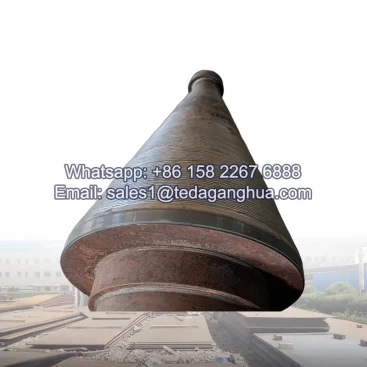
Teda Ganghua provides chromium carbide overlay plate solutions designed for demanding industrial wear conditions.
Our capabilities include:
- Large-area fusion bonded wear plates
- Customized thickness and dimensions
- Cutting and fabrication services
- Wear-resistant material recommendations based on operating conditions
Through controlled welding processes and strict quality inspection, Teda Ganghua helps customers improve equipment reliability, extend maintenance cycles, and reduce total operating costs.
Learn more:
Plaque de superposition de carbure de chrome
Conclusion
Fusion bonded technology is one of the key factors that defines the performance of modern wear plates. The metallurgical connection between the steel substrate and the chromium carbide overlay determines whether the product can survive extreme industrial conditions.
For applications requiring high abrasion resistance, strong impact tolerance, et longue durée de vie, a properly manufactured fusion bonded wear plate provides a reliable and cost-effective protection solution.