Harga Kelongsong Corten
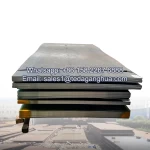
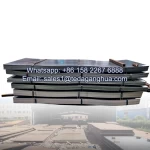
The defining feature of Corten cladding is its self-protective rust layer, which transforms corrosion into a functional advantage. This layer not only enhances durability but also significantly reduces maintenance requirements and lifecycle costs.
- Keterangan
Corten steel cladding is widely used in modern architecture not only for its appearance but also for its self-protective rust layer, known as the patina. This red-brown oxide layer forms naturally when the steel is exposed to alternating wet and dry atmospheric conditions.
Berbeda dengan baja karbon biasa, where rust leads to continuous corrosion, the rust layer on Corten steel acts as a penghalang pelindung that slows down further oxidation.
1. How the Rust Layer Forms
The protective patina develops through a controlled oxidation process:
- Initial exposure to moisture and oxygen
- Formation of a loose rust layer
- Gradual transformation into a dense, lapisan oksida yang stabil
- Surface stabilizes and stops deep corrosion
This process typically takes several months depending on climate conditions such as humidity, curah hujan, dan polusi udara.
2. Core Functions of the Corten Rust Layer
2.1 Corrosion Protection
The most important function of the rust layer is to prevent further corrosion.
- Acts as a barrier against water and oxygen
- Reduces corrosion rate compared to ordinary steel
- Extends service life significantly
This eliminates the need for painting or galvanizing in most outdoor environments.
2.2 Self-Healing Ability
One unique feature of the Corten patina is its ability to self-repair.
- Minor scratches or damage will re-oxidize
- The protective layer reforms automatically
- Ensures long-term durability with minimal maintenance
2.3 Reduced Maintenance Costs
Because the rust layer protects the steel naturally:
- No repainting or coating required
- Lower lifecycle maintenance costs
- Ideal for large-scale facade systems
This is a key factor influencing the overall cladding price advantage over time, even if initial material costs are higher.
2.4 Nilai Estetika
The rust layer provides a distinctive architectural appearance:
- Warm, natural red-brown tones
- Color evolves over time
- Blends well with natural and urban environments
This makes Corten cladding highly popular in modern building design.
3. Impact of the Rust Layer on Cladding Price
Although “price” often refers to initial material cost, for Corten cladding it is more accurate to consider total biaya siklus hidup.
| Faktor Biaya | Conventional Steel Cladding | Pelapis Baja Corten |
|---|---|---|
| Initial Material Cost | Lebih rendah | Sedang |
| Perawatan Permukaan | Required (painting/coating) | Not required |
| Biaya Pemeliharaan | Tinggi (repainting, memperbaiki) | Sangat rendah |
| Kehidupan Pelayanan | 10–20 years | 30–80+ years |
| Lifecycle Cost | Higher overall | Lower overall |
The protective rust layer is the key reason why Corten steel achieves long-term cost efficiency despite a higher upfront cost.
4. Performance Advantages in Cladding Applications
Fasad Arsitektur
- Long-lasting exterior protection
- No coating degradation issues
- Consistent weathered appearance
Harsh Environments
- Suitable for industrial and coastal areas (with proper design)
- Tahan terhadap korosi atmosferik
Sustainable Construction
- Reduced need for chemical coatings
- Lower maintenance resource consumption
- Long service life reduces material replacement
5. Pertimbangan Penting
While the rust layer provides many advantages, proper design is essential:
- Avoid constant water exposure (prevents stable patina formation)
- Ensure proper drainage in facade systems
- Pertimbangkan pewarnaan permukaan di dekatnya selama tahap oksidasi awal