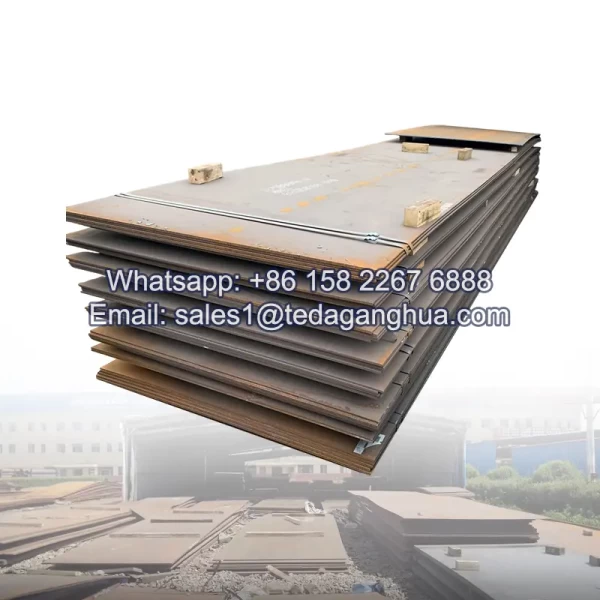
Acciaio resistente all'abrasione
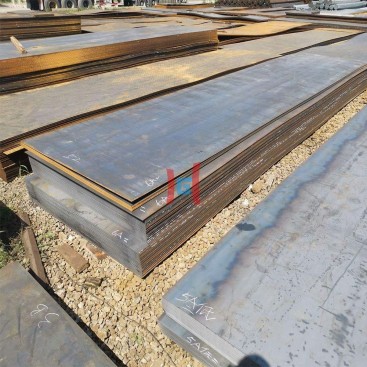
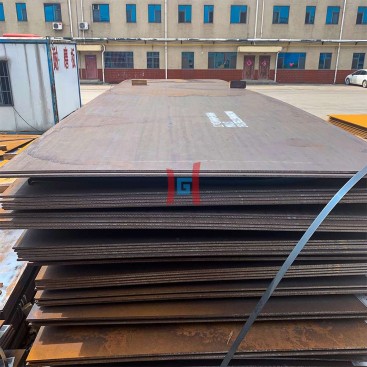
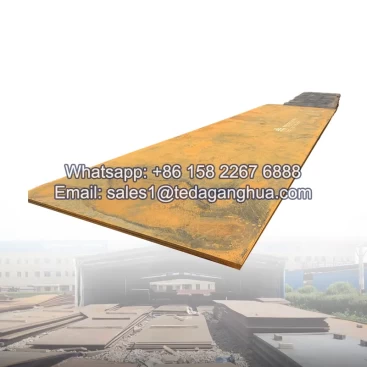
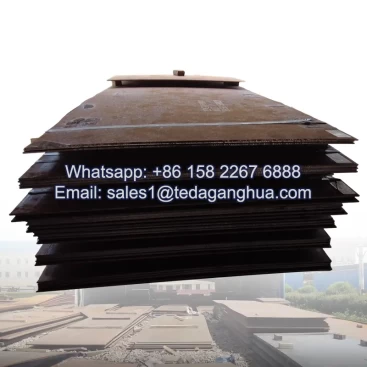
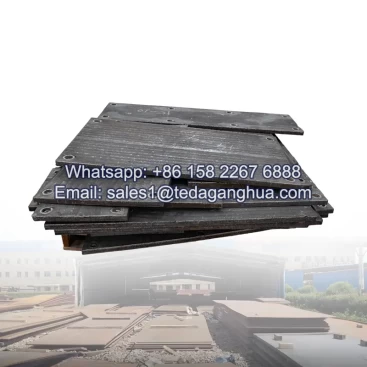
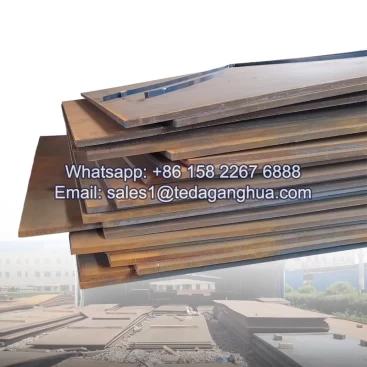
Acciaio resistente all'abrasione combina durezza, forza, e tenacità per ottenere un’eccezionale resistenza all’usura, allungare la vita dei componenti industriali.
Selezionando il livello di durezza appropriato e bilanciando le prestazioni meccaniche con i requisiti del processo, le industrie possono ridurre i tempi di inattività per manutenzione, migliorare la produttività, e minori costi operativi.
- Descrizione
Resistente all'abrasione (AR) acciaio è un acciaio ad alta resistenza sviluppato specificatamente per resistere all'usura intensiva, attrito, e impatto.
Le prestazioni di resistenza all'usura del materiale si ottengono principalmente attraverso elevata durezza superficiale, durezza uniforme attraverso lo spessore, E lega controllata per tenacità e equilibrio di forza.
Questi acciai sono comunemente usati nel settore minerario, costruzione, cemento, e attrezzature per la movimentazione dei materiali, dove scorrevoli, scriccatura, e l'abrasione da impatto si verificano continuamente.
Principali proprietà antiusura
-
Elevata durezza superficiale
-
I livelli di durezza in genere variano tra 360 – 600 HBW (Durezza Brinell).
-
The higher the hardness, the greater the resistance to sliding abrasion and surface wear.
-
-
Good Toughness and Impact Strength
-
Even with high hardness, AR steel must retain enough toughness to resist cracking or breaking under dynamic load or impact.
-
-
Uniform Through-Thickness Hardness
-
The steel is heat-treated (spento e temperato) so that hardness is not only on the surface but throughout the entire plate.
-
-
High Tensile and Yield Strength
-
Ensures the plate can bear deformation, load, and mechanical vibration without failure.
-
-
Ottimizzazione delle leghe
-
Alloy elements such as carbonio, manganese, cromo, molibdeno, and boron enhance hardenability and wear resistance.
-
-
Fabrication Adaptability
-
Despite high hardness, some grades are optimized for improved cutting, formando, and welding performance.
-
Typical Mechanical and Hardness Data
| Grado | Durezza (HBW) | Forza di snervamento (MPa) | Resistenza alla trazione (MPa) | Impact Energy (J, –40 °C) | Main Application |
|---|---|---|---|---|---|
| AR360 / NM360 | 320 – 380 | 900 – 1100 | 1000 – 1200 | ≥ 30 | Macchine edili, truck bodies |
| AR400 / NM400 | 360 – 440 | 1000 – 1250 | 1200 – 1400 | ≥ 27 | Secchi, fodere per autocarri con cassone ribaltabile, trasportatori |
| AR450 / NM450 | 420 – 480 | 1100 – 1350 | 1250 – 1500 | ≥ 25 | Crusher, tramogge, alimentatori |
| AR500 / NM500 | 470 – 540 | 1200 – 1400 | 1400 – 1700 | ≥ 20 | Attrezzature minerarie, cade, impact zones |
| AR550 / NM550 | 520 – 580 | 1300 – 1500 | 1500 – 1750 | ≥ 18 | High-wear pipelines, lame |
| AR600 | 560 – 620 | 1350 – 1600 | 1600 – 1850 | ≥ 15 | Severe abrasion environments |
Values are nominal averages; actual performance depends on plate thickness, heat treatment, and manufacturer process.
Explanation of the Data
-
Hardness vs. Wear Life:
Every 50 HBW increase in hardness can extend wear life by approximately 15–25%, depending on the abrasion type and load condition. -
Toughness Balance:
Although AR500 and AR600 offer better wear protection, they have lower toughness and formability than AR400, which is more suitable for fabrication-intensive applications. -
Impact Energy:
Higher impact energy indicates better ability to absorb shock. Grades like AR360 and AR400 are commonly used in situations combining wear and impact (PER ESEMPIO., loaders and dump trucks). -
Forza strutturale:
With yield strengths above 1000 MPa, these plates can also serve as structural components, not just surface liners.
Practical Insights
-
Abrasione da scorrimento (particelle fini) → Scegli gradi di durezza più elevati come AR500–AR600.
-
Abrasione da impatto (rocce, materiale pesante) → Utilizzare qualità bilanciate come AR400–AR450 per una migliore tenacità.
-
Condizioni di usura miste → NM400 o AR450 è il grado di compromesso più utilizzato.
-
Facilità di saldatura e formatura → Durezza inferiore (AR360–AR400) funziona meglio durante la fabbricazione.
-
-

-
-

-