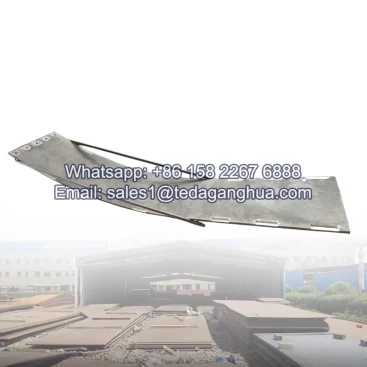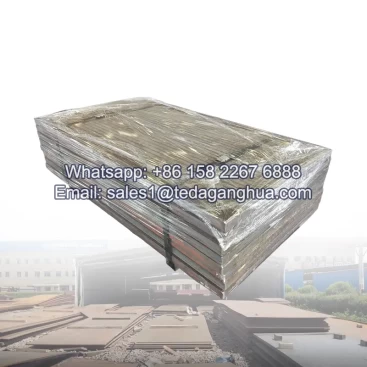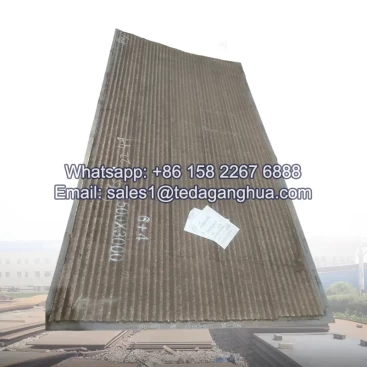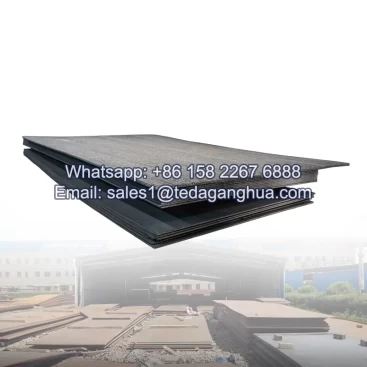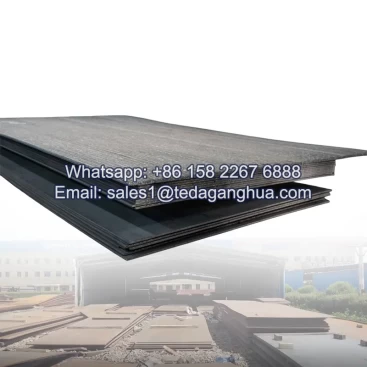


Piastra antiusura per rivestimento in carburo di cromo
IL Chromium Carbide Overlay layer is the heart of CCO wear plates, fornendo:
-
High hardness for abrasion resistance
-
Strong metallurgical bonding for toughness
-
Customizable thickness for different industrial requirements
- Descrizione
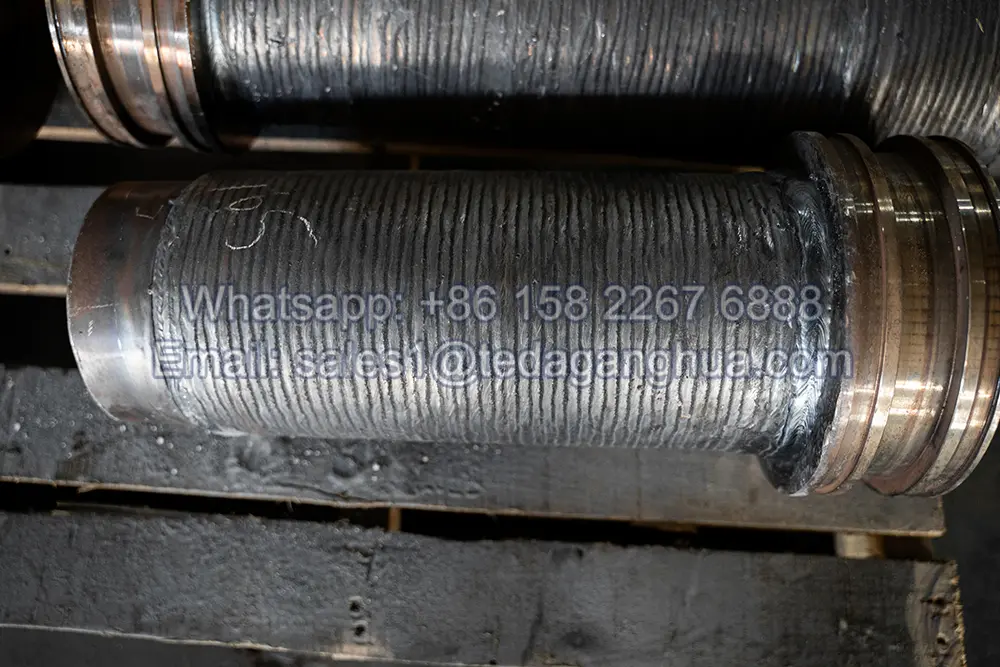
Overlay di carburo di cromo (CCO) Wear Plates are bimetallic steel plates where a high-hardness chromium carbide layer is welded onto a base in acciaio resistente.
The overlay layer is the key component that provides the plate’s estrema resistenza all'usura, rendendolo ideale per minerario, cemento, energia, e applicazioni di movimentazione dei materiali.
Structure of the Chromium Carbide Overlay Layer
-
Surface Layer (Carburo di cromo):
-
Composizione: Mainly chromium (Cr) and carbon (C), often with small amounts of Ni, Mo, or Fe.
-
Microstruttura: Denso, hard chromium carbide particles embedded in a metallic matrix.
-
Durezza: Typically 58–65HRC, depending on grade and overlay thickness.
-
Funzione: Provides high resistance to sliding wear and abrasion.
-
-
Transition Zone:
-
Scopo: Ensures metallurgical bonding between the overlay and the steel base.
-
Caratteristiche: Slightly lower hardness than the surface, mantiene adhesion and toughness, and reduces risk of cracking.
-
-
Steel Base Layer:
-
Generalmente Q235, S355, NM400, or AR400/450.
-
Scopo: Provides impact toughness and structural strength while supporting the hard overlay.
-
Characteristics of the Overlay Layer
| Proprietà | Descrizione | Effect on Performance |
|---|---|---|
| Durezza (HRC) | 58–65 | Resists severe sliding and abrasive wear |
| Spessore (mm) | 3–20 | Adjusted according to application severity |
| Microstruttura | Chromium carbide particles in metallic matrix | High wear resistance with some toughness |
| Bonding Strength | Strong metallurgical weld with base | Prevents delamination during impact |
| Finitura superficiale | Shot-blasted or ground | Ensures consistent wear and smooth material flow |
Manufacturing Considerations of the Overlay
-
Overlay Material Selection:
-
Chromium carbide alloy wires, rods, or powders are used.
-
Alloy composition affects durezza, resistenza all'usura, and cracking susceptibility.
-
-
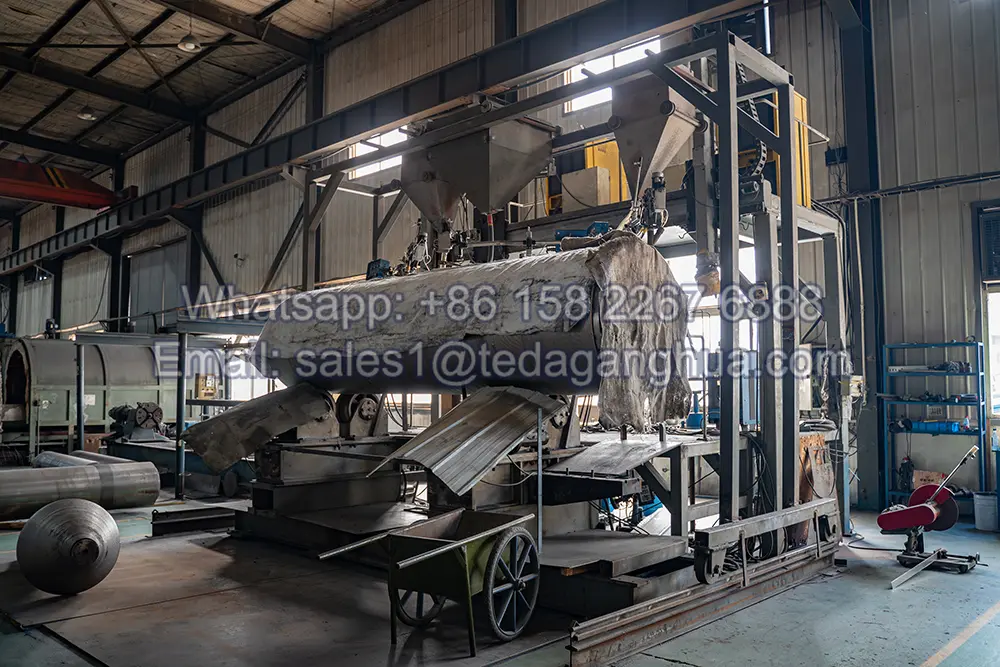
Processo di saldatura:
-
Saldatura ad arco sommerso (SEGA): High deposition rate for large plates.
-
Plasma Transferred Arc (PTA): Produces uniform hardness with low dilution.
-
Saldatura ad arco con filo animato (FCAW) / SMAW: Flexible, for small plates or repairs.
-
-
Overlay Thickness Control:
-
Critical to ensure optimal wear life.
-
Multi-pass welding builds up the desired thickness while maintaining surface hardness.
-
-
Trattamento termico e sollievo dallo stress:
-
Post-weld heat treatment may be applied at 150–200°C.
-
Riduce tensione residua and prevents cracking during service.
-
-
Surface Finishing:
-
Grinding or shot blasting removes slag, spatter, e irregolarità.
-
Garantisce uniform wear and consistent abrasion resistance.
-
Applications of Chromium Carbide Overlay Layer
The overlay layer enables wear plates to perform in extremely abrasive and impact-heavy environments, compreso:
-
Estrazione: Fodere del frantoio, hammer plates, ore hoppers
-
Cemento & Concrete: Slurry chutes, mixer liners, screw conveyors
-
Power Plants: Sistemi di movimentazione del carbone, scivoli per la cenere
-
Riciclaggio & Gestione del materiale: Trituratori, piastre d'impatto, fodere per trasportatori
Key Advantages of the Overlay Layer
-
Extreme Abrasion Resistance: Chromium carbide particles resist sliding wear and impact.
-
Lunga durata: Properly designed overlays can last 5–10× longer than mild steel.
-
Impact Support: Transition zone and base steel absorb energy, preventing delamination.
-
Customizable Design: Spessore, durezza, and size can be tailored to application needs.