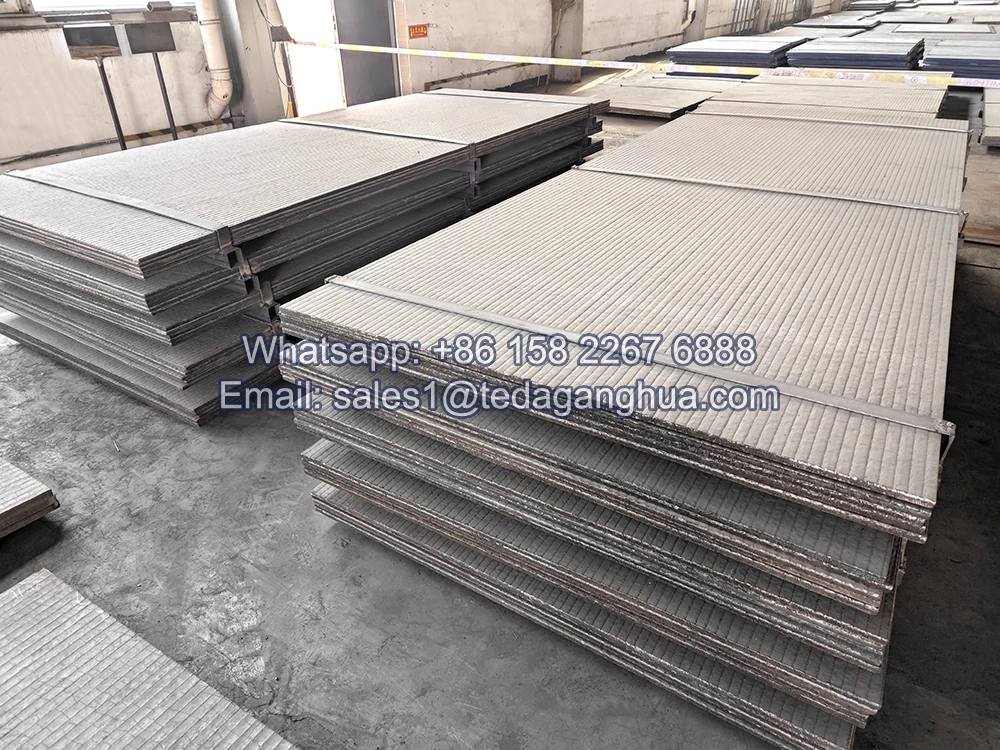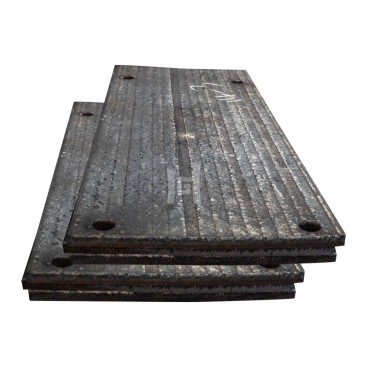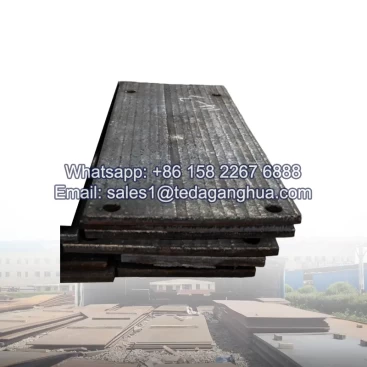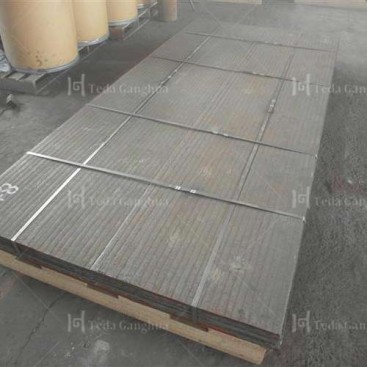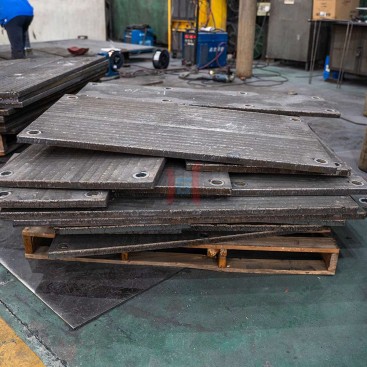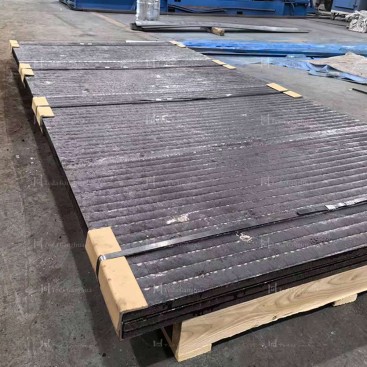
Prezzo della piastra in carburo di cromo


IL Prezzo della piastra in carburo di cromo is strongly influenced by chromium content in the overlay layer. Higher chromium levels lead to better wear resistance but also increase material and production costs.
- Descrizione
Prezzo della piastra in carburo di cromo is not fixed and can vary significantly depending on material composition, especially the chromium content in the weld overlay layer. As a typical weld overlay wear plate, its cost is closely related to alloy design, welding wire type, and required wear performance.
Among all influencing factors, chromium content is one of the most important.
Why Chromium Content Affects Price
Chromium is the key alloying element used to form hard carbide phases in the overlay layer. Higher chromium content usually means:
- More complex alloy wire production
- Higher raw material cost
- Increased wear resistance performance requirements
- More controlled welding process
Because of this, the cost of welding materials directly impacts the final plate price.
Relationship Between Chromium Content and Price Level
Generalmente, as chromium content increases, the price of Piastra in carburo di cromo also increases due to improved performance requirements.
Typical trend:
| Chromium Content in Overlay Layer | Material Characteristics | Relative Price Level |
|---|---|---|
| Low chromium (around 15%–20%) | Basic wear resistance | Inferiore |
| Medium chromium (20%–28%) | Durezza e tenacità bilanciate | Medio |
| Alto contenuto di cromo (28%–35%+) | Eccellente resistenza all'usura | Più alto |
Higher chromium levels require more alloy input and more precise welding control, which increases manufacturing cost.
Other Factors That Affect Price
Besides chromium content, several other factors also influence pricing:
1. Spessore della sovrapposizione
Thicker wear layers require more welding material and longer production time.
2. Base Plate Thickness
Heavier base plates increase total material cost and weight.
3. Processo di saldatura
Different processes (open arc, submerged arc, ecc.) affect production efficiency and cost.
4. Custom Cutting and Fabrication
Special sizes or shapes increase processing cost.
5. Application Grade Requirement
High-wear industrial grades require stricter quality control and higher cost materials.
Price vs Performance Balance
While higher chromium content increases cost, it also significantly improves service life:
- Higher chromium → longer wear resistance
- Lower chromium → lower initial cost but shorter lifespan
In many industrial applications, selecting higher chromium content reduces long-term replacement and maintenance cost.