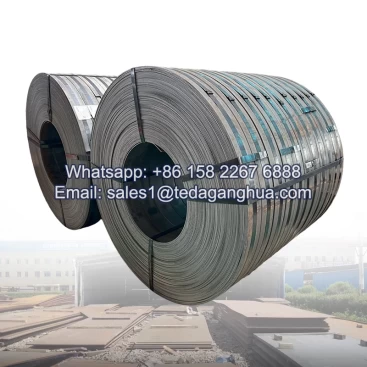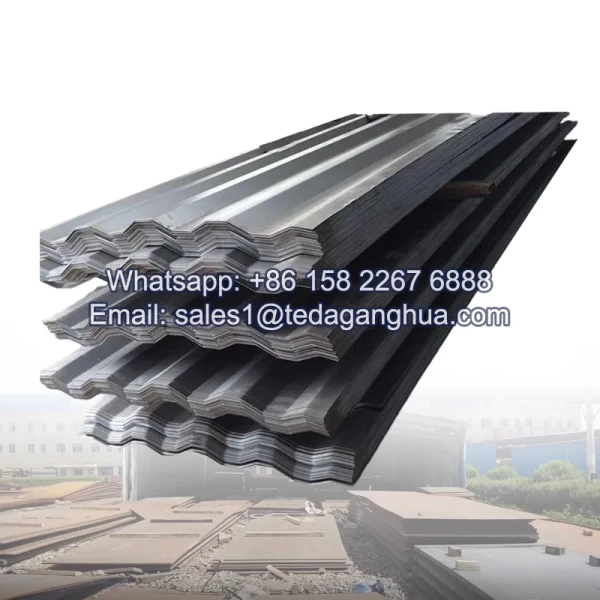
Rivestimento in corten ondulato
Corrugated Corten siding is widely used in shipping containers and architectural structures due to its strength, durabilità, and weather-resistant properties. It can be classified into standard container corrugated panels, high-profile structural panels, architectural façade panels, and micro-rib decorative sheets. These different types allow corten steel to be used across logistics, industrial construction, and modern architectural design, offering both structural performance and distinctive visual appearance.
- Descrizione
Corrugated Corten siding refers to weathering steel (acciaio corten) panels formed into corrugated or ribbed profiles. These panels are widely used in shipping containers, container houses, industrial buildings, and architectural façade systems. The corrugated design increases structural strength while maintaining a relatively thin steel thickness, making it ideal for both transportation and construction applications.
Corten steel is commonly used for container siding because it naturally forms a protective rust layer, improving long-term outdoor durability without the need for paint in many applications.
Why Corten Steel Is Used for Corrugated Container Panels
Corten steel is the standard material for many container and siding applications because it offers:
- High tensile strength for structural stability
- Eccellente resistenza alla corrosione atmosferica
- Lunga durata in ambienti esterni
- Reduced maintenance requirements
- Natural weathered aesthetic for architectural use
For shipping containers, corrugated corten steel panels provide both strength and stiffness, preventing deformation during stacking, trasporto, and heavy loading.
Main Types of Corrugated Corten Steel Panels
Corrugated corten siding can be classified into several common types based on profile shape and application.
1. Standard Shipping Container Corrugated Panels
This is the most widely used type in global logistics containers.
Caratteristiche:
- High-strength corrugated profile
- Usually vertical or horizontal rib design
- Designed for stacking load resistance
- Thickness commonly 1.6–2.0 mm
Applicazioni:
- Contenitori di spedizione
- Storage containers
- Modular container systems
This type is engineered for structural performance and impact resistance.
2. High-Profile Structural Corrugated Panels
These panels have deeper corrugation depth to improve rigidity.
Caratteristiche:
- Larger rib height
- Higher bending resistance
- Suitable for heavy-duty structures
- Often used with thicker corten steel sheets
Applicazioni:
- Industrial container buildings
- Offshore equipment housings
- Heavy structural enclosures
This type is used when additional load-bearing capacity is required.
3. Architectural Corrugated Corten Siding
This type is designed for building façades rather than transport containers.
Caratteristiche:
- Decorative corrugated patterns
- Lighter gauge steel (often 0.8–1.5 mm)
- Focus on aesthetics rather than load capacity
- Can be pre-rusted or natural weathered finish
Applicazioni:
- Building exterior cladding
- Facade decoration
- Architettura del paesaggio
- Commercial building skins
This is one of the most popular modern architectural materials.
4. Micro-Corrugated or Ribbed Panels
These panels use smaller wave patterns for modern design applications.
Caratteristiche:
- Fine rib structure
- Smooth visual appearance
- Flexible design integration
- Often used in modern architecture
Applicazioni:
- Interior/exterior design panels
- Decorative walls
- Minimalist architectural façades
Common Thickness Range for Corrugated Corten Steel
| Tipo | Thickness Range | Main Use |
|---|---|---|
| Shipping container panels | 1.6–2,0 mm | Transport containers |
| Structural corrugated panels | 2.0–3,0 mm | Industrial buildings |
| Pannelli di rivestimento architettonici | 0.8–1,5 mm | Decorative façades |
The thickness is selected based on whether the application is structural or decorative.
Key Advantages of Corrugated Corten Siding
1. Elevata resistenza strutturale
Corrugation increases stiffness without significantly increasing weight, making panels resistant to bending and impact.
2. Weather Resistance
Corten steel develops a stable oxide layer that protects the steel from further corrosion, especially in outdoor environments.
3. Manutenzione ridotta
A differenza dell'acciaio verniciato, corrugated corten siding does not require frequent repainting in many architectural applications.
4. Industrial and Architectural Aesthetic
The rust-colored surface provides a strong industrial style, widely used in modern container architecture and landscape design.