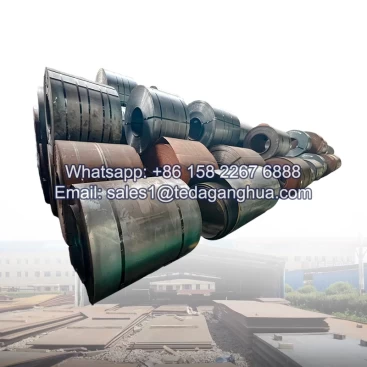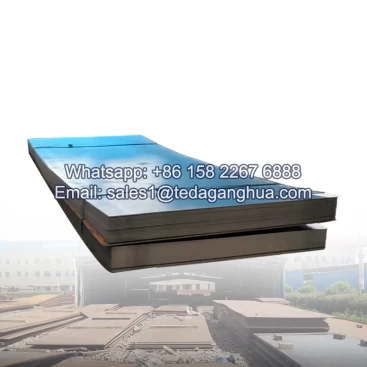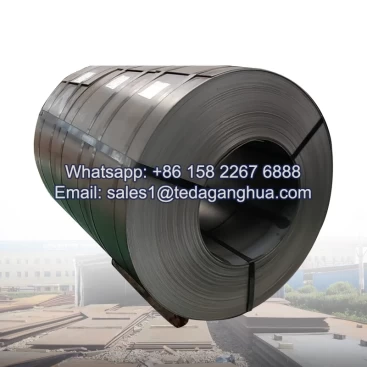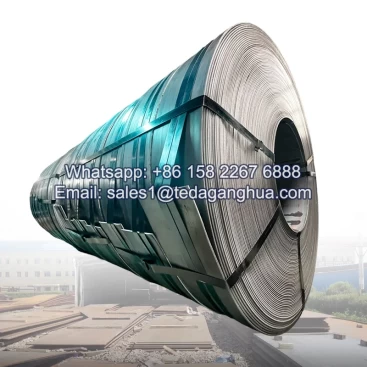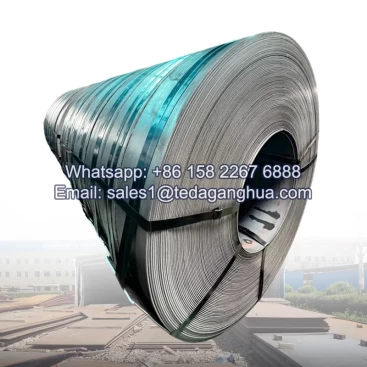
Rivestimento in Corten

IL red rust layer on Corten steel cladding is a combination of iron oxides and alloying elements that form a autoprotettivo, durable patina. This layer offers:
-
Eccellente resistenza alla corrosione without coatings
-
Long-lasting durabilità negli ambienti esterni
-
Aesthetic appeal unique to each project
-
Manutenzione ridotta, making it ideal for architectural facades and urban cladding
Corten cladding is therefore a functional and decorative solution for modern outdoor architecture, combinando weather resistance and striking visual design.
- Descrizione
Acciaio Corten (acciaio resistente agli agenti atmosferici) rivestimento is widely used in architectural and urban projects for its distinctive reddish-brown appearance E durable outdoor performance. The characteristic strato di ruggine rossa, or patina, is not just decorative—it is chemically protective, preventing deeper corrosion of the steel beneath.
Composition of the Red Rust Patina
The patina is primarily composed of iron oxides, formed naturally when Corten steel is exposed to air and moisture. Key chemical components include:
| Component | Role in Patina |
|---|---|
| Fe₂O₃ (Hematite) | Gives the reddish-brown color; the main iron oxide in the outer layer |
| Fe₃O₄ (Magnetite) | Forms within micro-layers, contributing to the compact structure of the patina |
| Cu, Cr, Ni compounds | Alloying elements from Corten steel diffuse into the rust layer, enhancing adhesion and corrosion resistance |
| Phosphates and Sulfates | Naturally present in small amounts, help stabilize the patina and slow corrosion |
La combinazione di iron oxides and alloying elements creates a denso, adherent layer that slows further oxidation of the underlying steel.
Performance of the Corten Patina
| Proprietà | Descrizione |
|---|---|
| Resistenza alla corrosione | The tightly bonded patina protects the underlying steel from moisture and oxygen, preventing continuous rusting. |
| Durabilità | A properly formed patina allows outdoor cladding to last decades without painting or coating. |
| Maintenance-Free | Once the patina stabilizes, no additional protective treatments are required. |
| Valore estetico | The reddish-brown color develops naturally over weeks to months, giving a warm, weathered look unique to each installation. |
| Self-Healing | Minor scratches or damages exposed to the elements will naturally oxidize and integrate with the existing patina. |
Formation Process
-
Exposure to Moisture and Oxygen: Water and air initiate oxidation, forming the first layer of Fe₂O₃.
-
Layer Compaction: Hematite and magnetite layers intermix, creating a dense, adherent surface.
-
Patina Stabilization: Over several weeks to months, the patina reaches a stable thickness che impedisce un'ulteriore corrosione profonda.
-
Long-Term Protection: The steel beneath remains structurally sound while the patina continues to provide a durable and visually appealing finish.