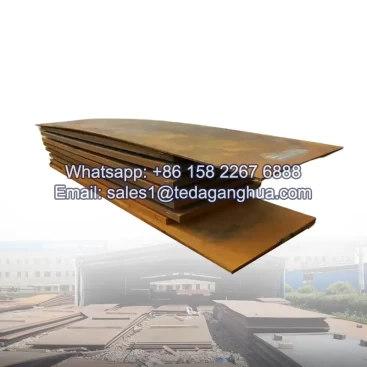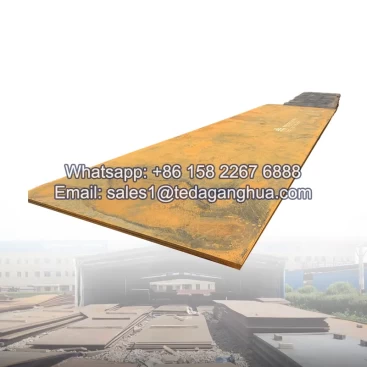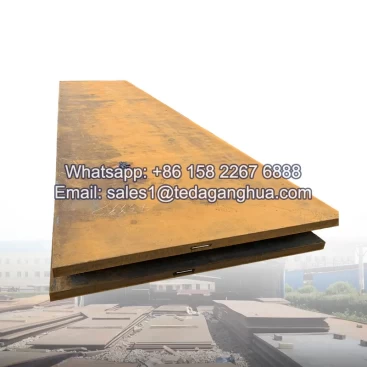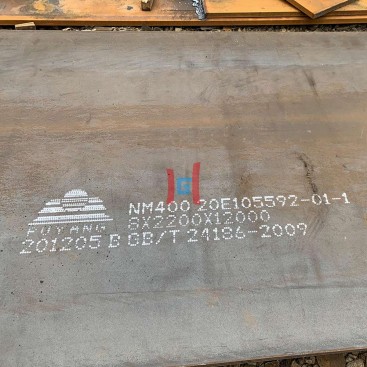
Acciaio ad alta resistenza all'usura
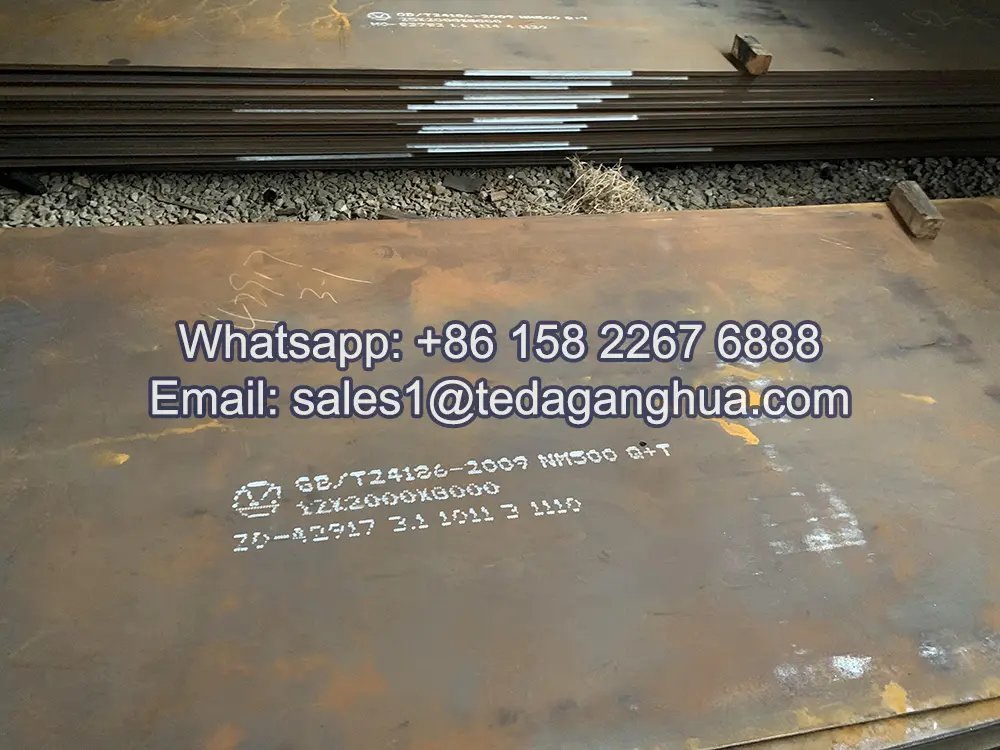
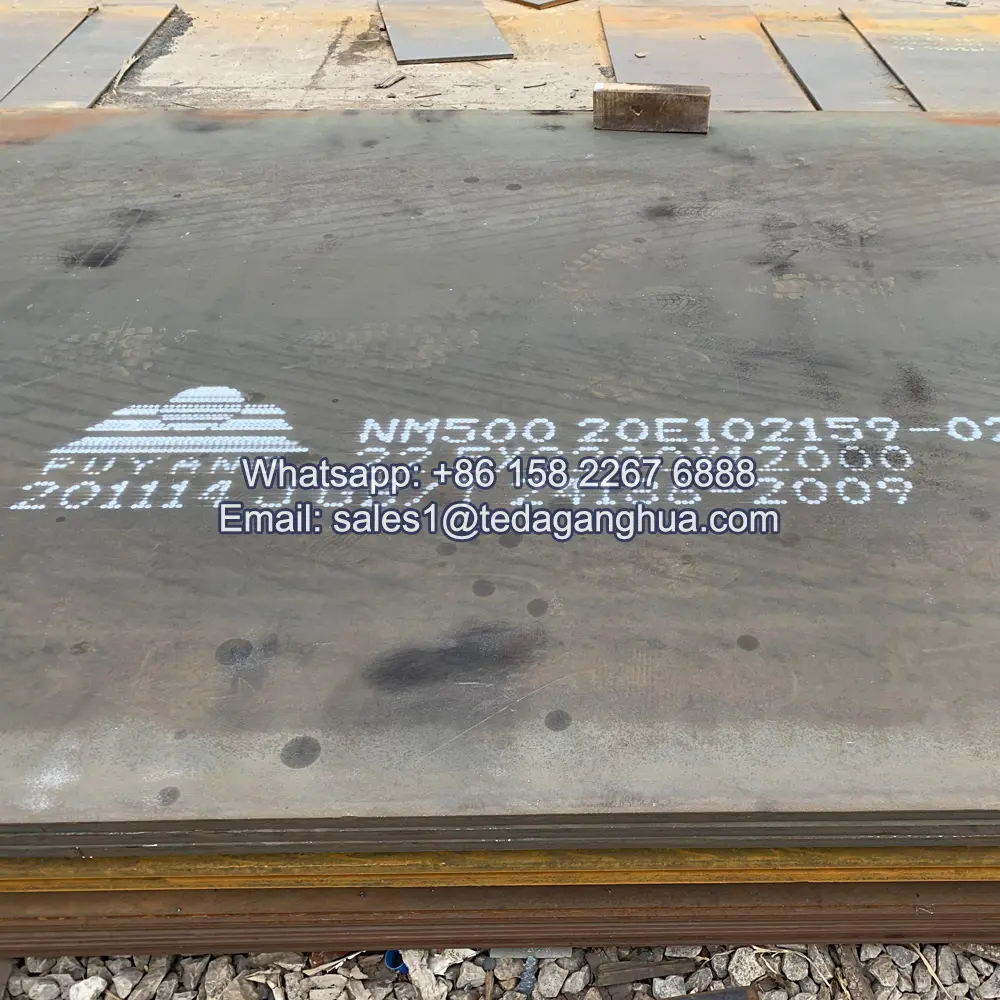
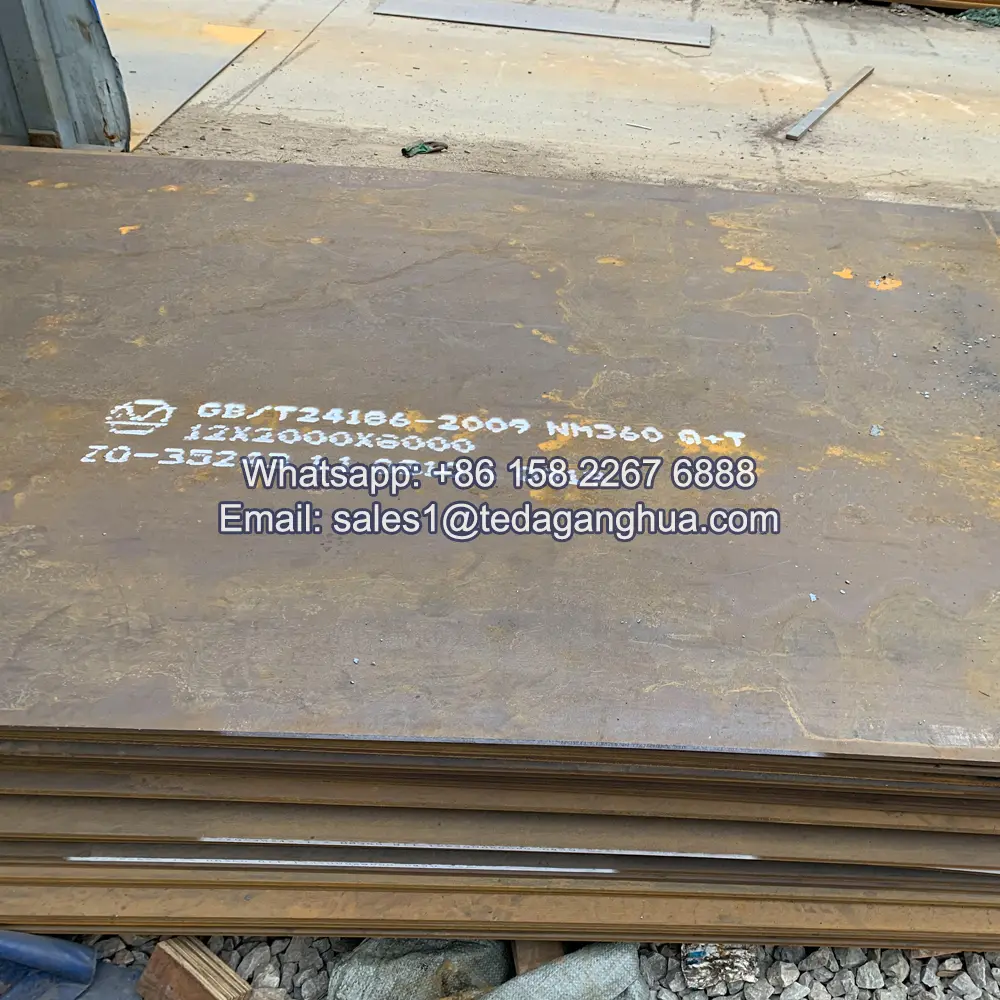
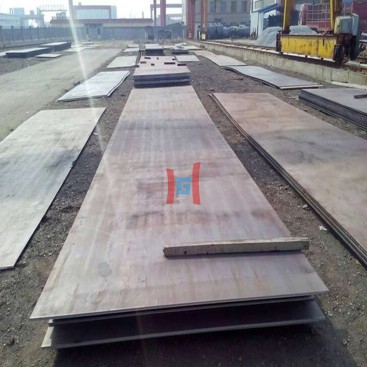
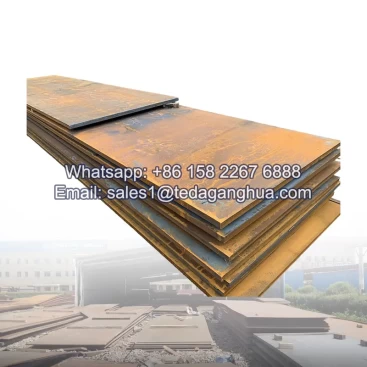
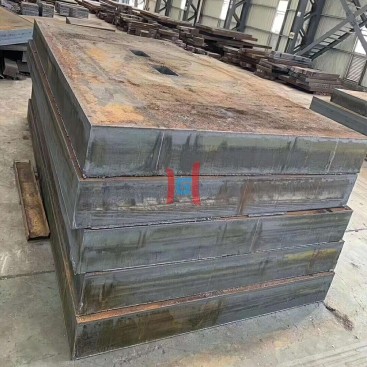
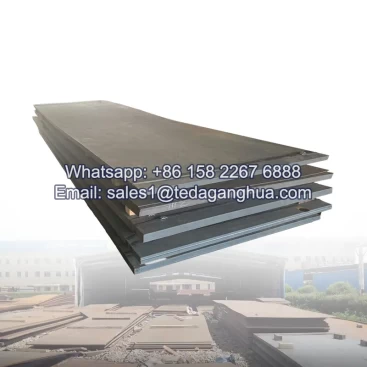
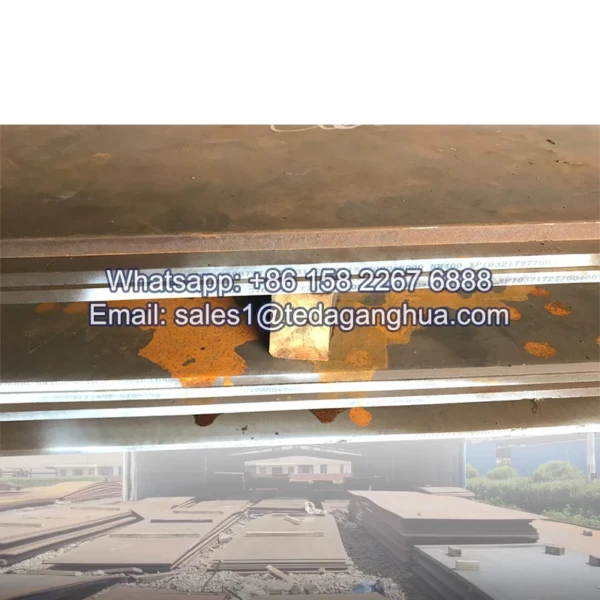
High wear resistant steel is engineered to provide exceptional abrasion resistance through high hardness, alloy strengthening, and controlled heat treatment. Its wear performance is significantly superior to ordinary carbon steel, especially in environments involving severe friction and abrasive particles.
Different grades such as AR400, AR450, AR500, and AR600 provide varying balances between wear resistance, tenacità, and processing capability, allowing industries to select materials according to specific working conditions.
- Descrizione
High wear resistant steel is a specialized alloy steel designed to withstand severe abrasion, attrito, e impatto in ambienti industriali esigenti. Rispetto al normale acciaio al carbonio, it offers significantly longer service life under abrasive working conditions.
Its wear resistance mainly comes from a combination of:
- Elevata durezza
- Alloy strengthening
- Heat treatment technology
- Optimized microstructure
These materials are widely used in mining, cementifici, macchine edili, recycling systems, and heavy material handling equipment.
1. What Is Wear Resistance in Steel?
Wear resistance refers to the ability of steel to resist:
- Surface material loss
- Friction damage
- Abrasione da scorrimento
- Abrasione da impatto
- Erosione delle particelle
In industrial environments, wear is commonly caused by:
- Sand
- Ore
- Gravel
- Carbone
- Cement particles
- Metal fragments
High wear resistant steel reduces the rate of surface degradation during continuous operation.
2. Main Factors Affecting Wear Resistance
Durezza
Hardness is the most important factor influencing abrasion resistance.
Generally:
- Higher hardness = better wear resistance
- Lower hardness = better toughness and easier processing
Common hardness ranges:
- AR400 → ~400 HB
- AR450 → ~450 HB
- AR500 → ~500 HB
- AR600 → ~600 HB
3. Alloy Composition Influence
Wear resistant steels contain alloying elements that improve hardness and durability.
| Elemento | Effect on Wear Resistance |
|---|---|
| Carbonio (C) | Increases hardness |
| Cromo (Cr) | Improves abrasion resistance |
| Manganese (Mn) | Migliora la tenacità |
| Molibdeno (Mo) | Stabilizza la durezza |
| Nichel (In) | Migliora la resistenza agli urti |
| Boro (B) | Improves hardenability |
These alloy elements help form a strong martensitic structure after heat treatment.
4. Heat Treatment and Microstructure
Most high wear resistant steels are produced through:
- Tempra
- Temperamento
This creates:
- Hard martensitic microstructure
- Elevata durezza superficiale
- Good balance between wear resistance and toughness
The heat treatment process is critical for achieving stable performance.
5. Tipi di resistenza all'usura
Sliding Abrasion Resistance
Resistance against continuous sliding friction from particles or materials.
Comune dentro:
- Sistemi di trasporto
- Cade
- Tramogge
Impact Abrasion Resistance
Ability to resist wear combined with repeated impact loading.
Comune dentro:
- Fodere del frantoio
- Benne per escavatori
- Attrezzature minerarie
Gouging Wear Resistance
Resistance against severe cutting or digging wear.
Comune dentro:
- Rock crushers
- Heavy excavation systems
6. Comparison with Ordinary Carbon Steel
| Proprietà | Acciaio ad alta resistenza all'usura | Acciaio al carbonio ordinario |
|---|---|---|
| Durezza | Molto alto | Low–medium |
| Resistenza all'usura | Eccellente | Povero |
| Durata di servizio | Much longer | Corto |
| Maintenance Frequency | Inferiore | Più alto |
| Cost Efficiency in Wear Environment | Better long-term | Lower initial cost |
Although wear resistant steel may have higher initial material cost, its longer service life often reduces total operational cost.
7. Common High Wear Resistant Steel Grades
| Grado | Approximate Hardness | Caratteristiche principali |
|---|---|---|
| AR400 | Balanced toughness and wear resistance | |
| AR450 | Improved abrasion performance | |
| AR500 | Severe wear applications | |
| AR600 | Estrema resistenza all'usura | |
| Mn13 Acciaio ad alto contenuto di manganese | Work-hardening under impact |
8. Applicazioni industriali tipiche
High wear resistant steel is widely used in:
- Attrezzature minerarie
- Fodere per autocarri con cassone ribaltabile
- Crusher systems
- Cement handling equipment
- Benne per escavatori
- Macchinari per il riciclaggio
- Parti soggette ad usura agricola
- Coal processing systems
9. Advantages of High Wear Resistant Steel
- Maggiore durata
- Reduced downtime
- Lower maintenance cost
- Better equipment efficiency
- Improved resistance to abrasive particles
- Stable performance under harsh conditions