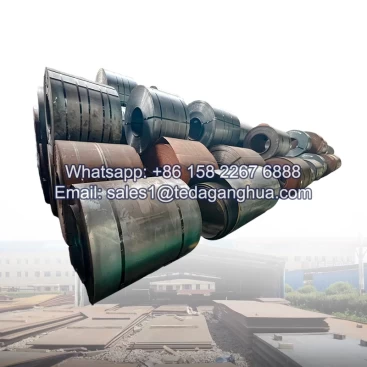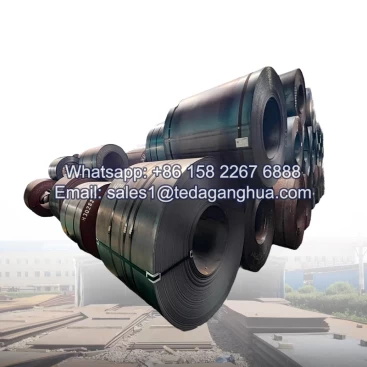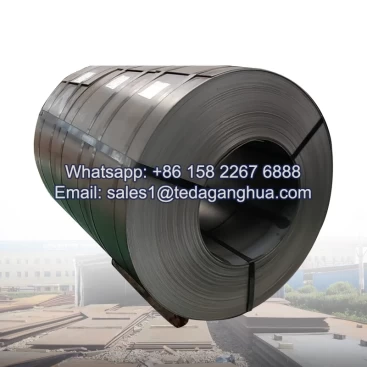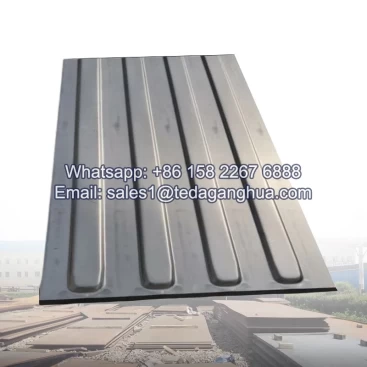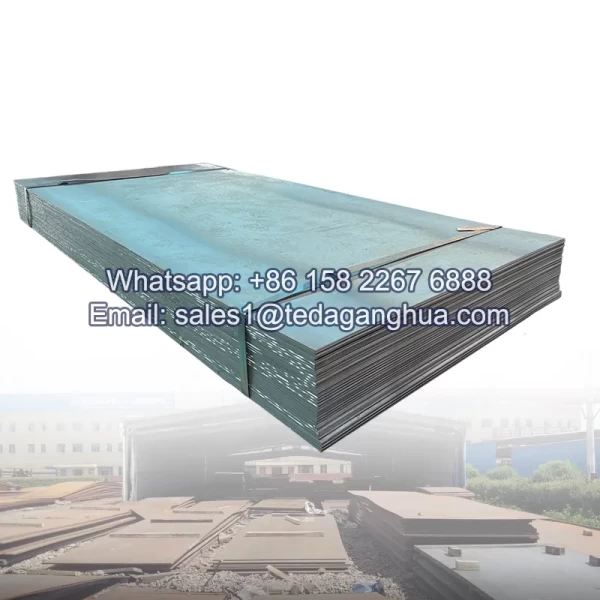
Oxy Corten
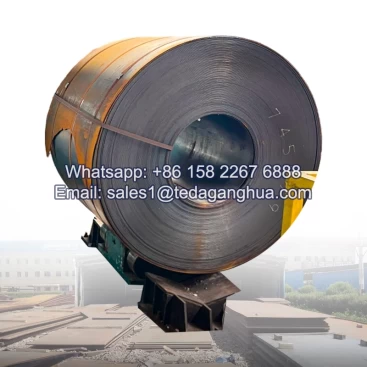
Oxy Corten si riferisce al comportamento unico dell'acciaio Corten quando esposto all'ossigeno. Invece di corrosione continua, subisce a processo di ossidazione controllata, formando un strato protettivo stabile di ruggine. Questa interazione con l'ossigeno è la ragione principale della sua durata, rendendolo ideale per applicazioni esterne come fioriere da giardino, facciate architettoniche, e strutture paesaggistiche.
- Descrizione
Oxy Corten è un modo informale per descrivere Acciaio Corten (acciaio resistente agli agenti atmosferici) grazie alla sua forte interazione con ossigeno (O₂) nell'aria. Il nome deriva dal fatto che la sua caratteristica più importante, ovvero lo strato protettivo di ruggine, si forma attraverso ossidazione controllata.
Perché l'acciaio Corten è associato all'ossigeno?
L'acciaio corten è chiamato "acciaio all'ossigeno" perché:
-
Esso reagisce con l'ossigeno e l'umidità nell'atmosfera
-
Questa reazione crea a strato di ossido stabile (patina di ruggine)
-
A differenza dell'acciaio comune, the oxidation process is self-protecting rather than destructive
In simple terms, oxygen does not weaken Corten steel in the same way it corrodes regular carbon steel—it actually helps protect it.
What Happens When Corten Steel Reacts with Oxygen?
1. Initial Oxidation
When exposed to air and water:
-
Ferro (Fe) reacts with oxygen (O₂)
-
Forme iron oxides (ruggine)
-
Surface begins to change from dark gray to orange-brown
2. Formation of Patina Layer
Due to alloying elements such as:
-
Rame (Cu)
-
Cromo (Cr)
-
Nichel (In)
Lo strato di ruggine diventa:
-
Dense and adherent
-
Less porous than normal rust
-
Capable of blocking further oxygen and moisture penetration
3. Stabilizzazione
Col tempo:
-
The oxidation slows down
-
UN stable protective layer forms
-
The steel reaches a balance between oxidation and protection
Confronto: Corten Steel vs Ordinary Steel in Oxygen
| Aspetto | Acciaio Corten | Acciaio al carbonio ordinario |
|---|---|---|
| Reaction with oxygen | Ossidazione controllata | Continuous corrosion |
| Rust layer | Denso, protettivo | Loose, flaky |
| Corrosion rate | Decreases over time | Increases over time |
| Durata | Long in outdoor use | Requires coating or protection |
Key Mechanism
-
Oxygen initiates the rusting process
-
Alloying elements modify the oxide structure
-
The final rust layer becomes a barrier, not a weakness
This is why Corten steel is often described as “self-protecting steel”.