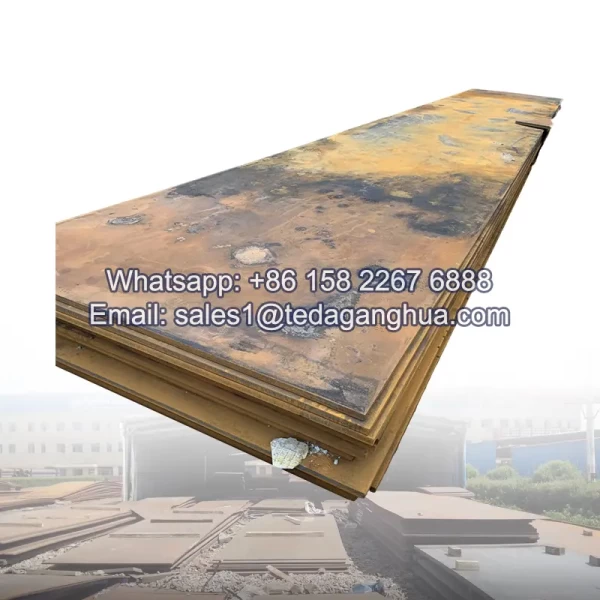

Saldare le piastre antiusura della benna
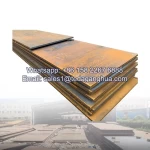
Weld-on bucket wear plates significantly extend equipment life in abrasive environments. Proper cutting, flessione, perforazione, saldatura, and installation techniques are crucial to maximize protection and durability.
Using high-quality AR, manganese, or CCO wear plates, combined with correct fabrication practices, ensures buckets perform reliably in mining, cava, costruzione, e applicazioni di movimentazione dei materiali.
- Descrizione
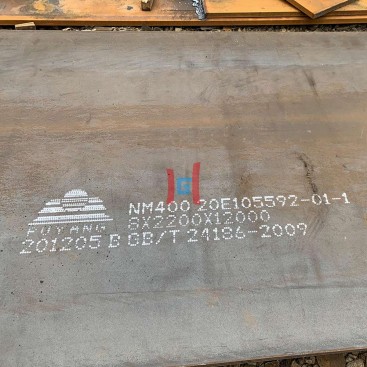
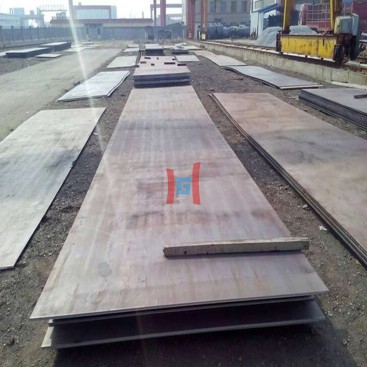
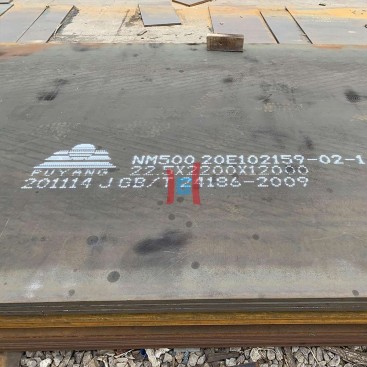
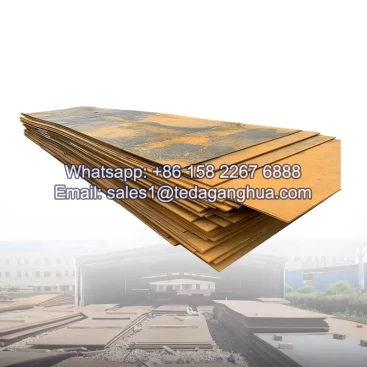
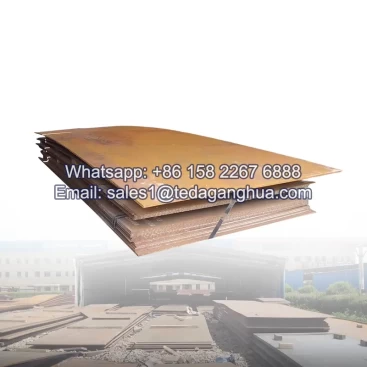
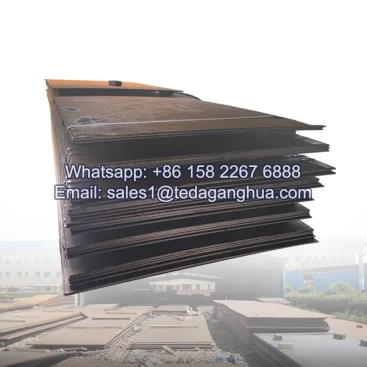
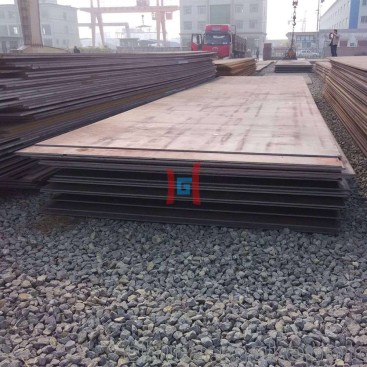
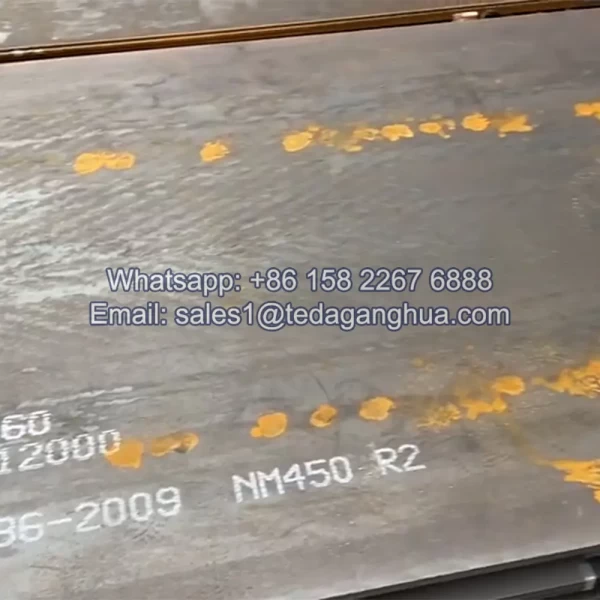
Weld-on bucket wear plates are abrasion-resistant steel plates designed to protect excavator, loader, and bulldozer buckets from extreme wear, impatto, ed erosione. By attaching wear plates to high-wear areas of the bucket, operators can extend service life, ridurre i tempi di inattività, and improve equipment efficiency.
Proper fabrication, taglio, saldatura, and installation techniques are essential to ensure that the wear plates perform optimally under heavy-duty conditions.
1. Cutting Wear Plates to Size
Before installation, bucket wear plates are cut to match the bucket’s shape and curvature. Common cutting methods include:
| Cutting Method | Suitable Material | Note |
|---|---|---|
| Taglio al plasma | AR, Mn, Q&T steels | Fast and precise; smooth edges |
| Taglio laser | AR ≤ 450HB | Alta precisione; suitable for thin plates |
| Taglio con ossitaglio | Thick steel plates | Requires preheating for hard steels |
| Water Jet Cutting | CCO or carbide overlay | No heat-affected zone; preserves surface integrity |
Cutting must consider the bucket geometry, bolt/weld hole positions, and any overlap for replacement segments.
2. Piegatura e formatura
Some sections of the bucket, such as lips, sides, and corners, require bending to fit the bucket profile:
-
AR and Q&T steels: Bending requires careful control; minimum bending radius recommended to avoid cracking.
-
Acciaio di manganese: High ductility allows easier bending without preheating.
-
Targhe CCO: Overlay side should face outward; preheating may be required to reduce cracking risk.
Correct bending ensures the wear plates fully cover high-abrasion surfaces and maintain structural integrity.
3. Drilling and Bolt Installation
For bolt-on wear plates, precise drilling is necessary:
-
Drill holes using carbide-tipped or high-speed steel bits.
-
Ensure proper spacing for load distribution and easy replacement.
-
Countersink holes if required for flush mounting.
Bolt-on installation allows sections to be replaced individually, minimizing downtime and reducing maintenance costs.
4. Welding Wear Plates
Welding is the most common method for attaching wear plates permanently to bucket surfaces.
Recommended Welding Practices
-
Preheating: Required for thick plates or high-hardness steel to prevent cracking.
-
Welding Methods: SMAW (stick), GMAW (MIG/MAG), FCAW (flux-cored), or SAW (submerged arc for large plates).
-
Filler Material: Match hardness to base plate and wear plate; low-hydrogen electrodes are recommended.
-
Avoid Welding on Overlay Surface: For CCO or carbide plates, weld only the back steel layer.
Proper welding ensures the wear plate remains securely attached under heavy load and impact conditions.
5. Surface Preparation and Finishing
-
Remove rust, olio, or scale before welding.
-
Smooth edges and bevels prevent stress concentration.
-
Dopo la saldatura, inspect for cracks or incomplete fusion.
-
Optional: Paint or coating to prevent corrosion if used in wet or marine environments.
6. Typical Application Areas on Buckets
Weld-on wear plates are commonly installed on:
-
Bucket lips and edges
-
Side walls and corners
-
Bucket bottoms and back panels
-
Shovel and loader cutting edges
-
Rippers or auxiliary attachments
Strategically placing wear plates on high-wear zones ensures maximum bucket life.