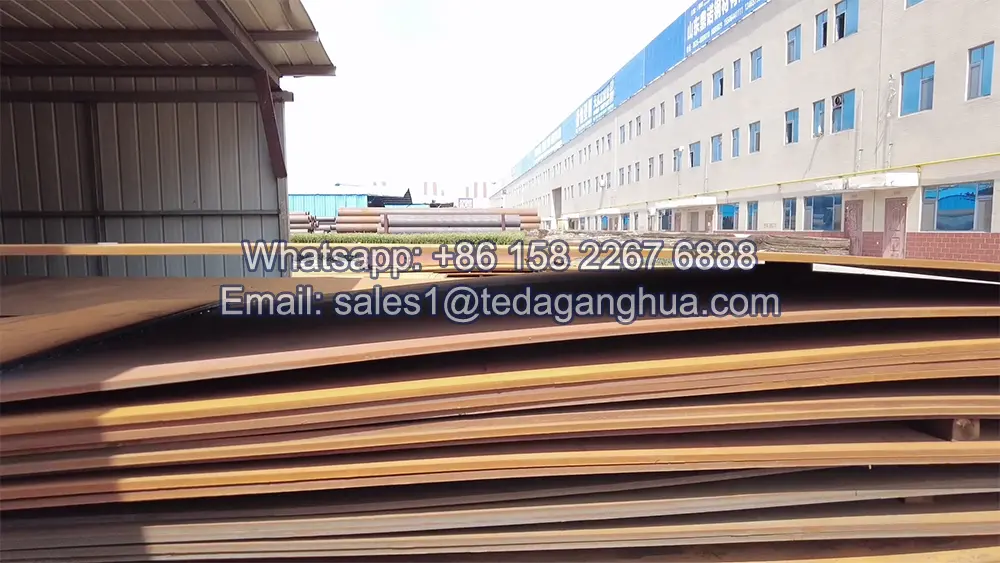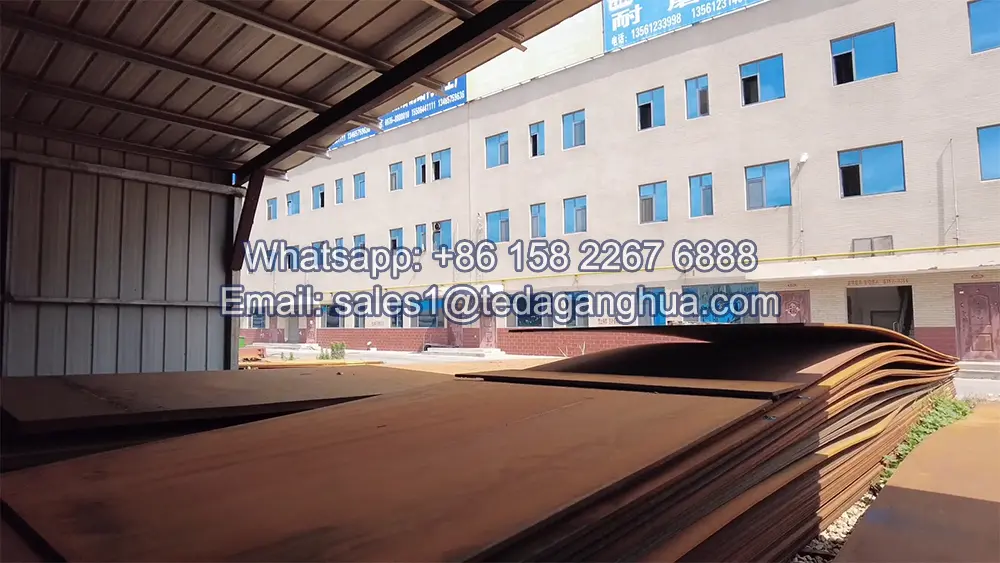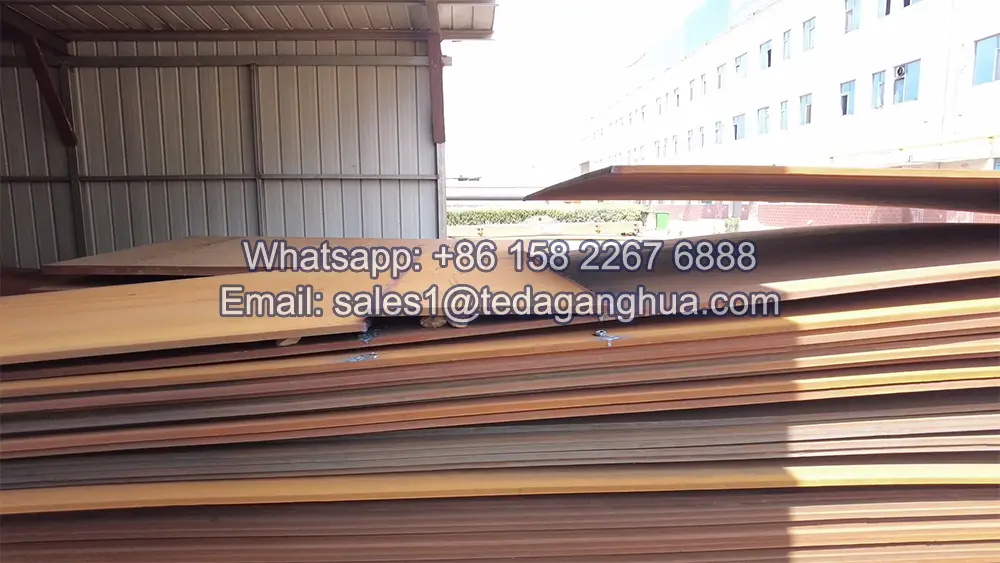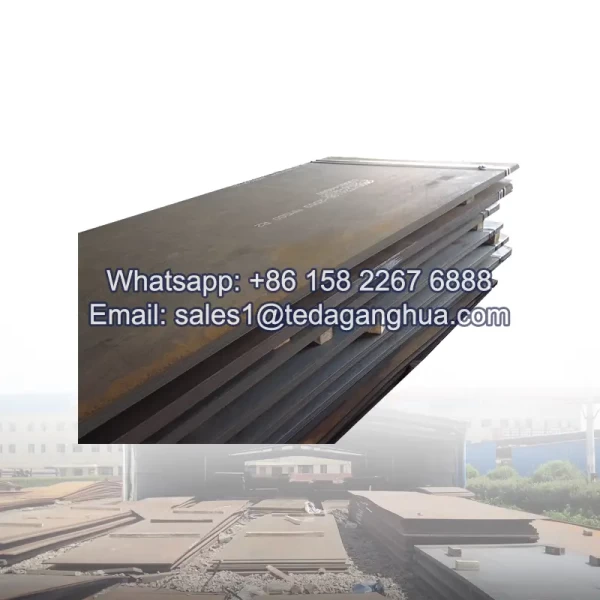
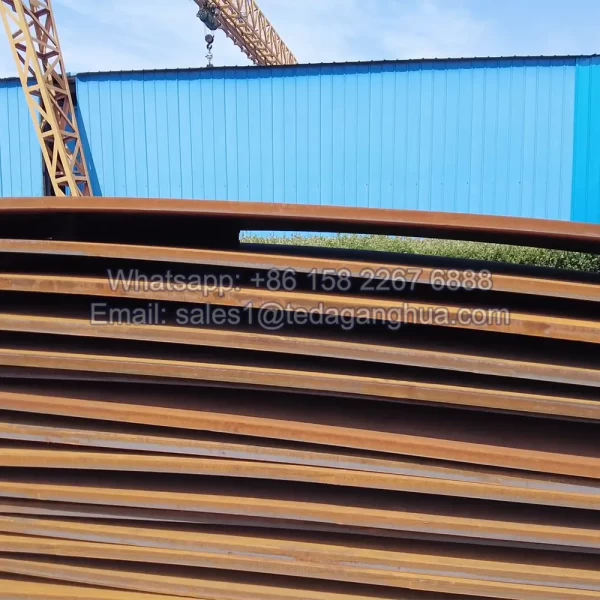

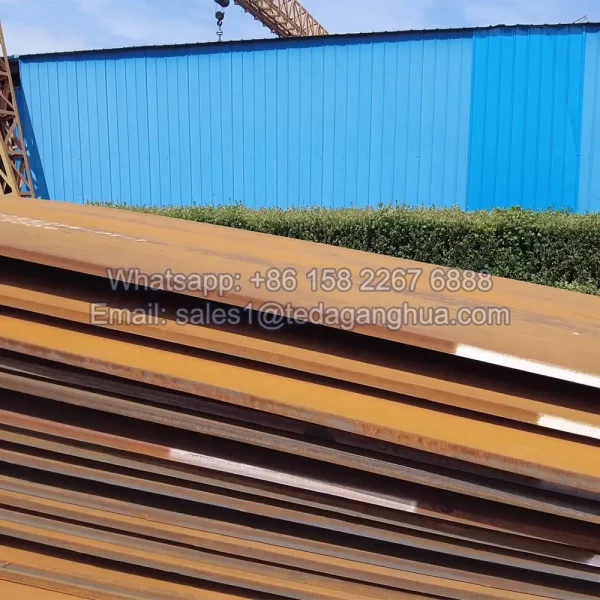
耐摩耗性金属


The price differences between abrasion resistant metals are influenced by:
-
Grade and chemical composition
-
Hardness and wear resistance
-
Origin and brand premium
-
厚さ, size, and processing methods
-
Market supply and demand
Choosing the right grade requires balancing cost, パフォーマンス, and application requirements.
Chinese grades like NM500, MN13, and CrC offer competitive prices with high performance, while international brands provide premium quality and certification guarantees.
- 説明
Abrasion resistant metals are specially designed materials that withstand extreme wear, インパクト, and abrasive conditions.
それらは広く使用されています 採掘, セメント, 冶金, 工事, と重機 産業.
The price of these metals varies widely depending on grade, 硬度, 化学組成, 厚さ, and origin.
1. Common Grades and Typical Price Factors
| 学年 / タイプ | 硬度 (HB) | Composition Highlights | Price Factor |
|---|---|---|---|
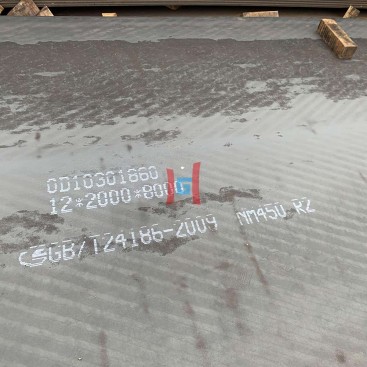
| NM400 / NM450 / NM500 / NM550 / NM600 (中国) | HB400–600 | Balanced hardness and ductility | 広く利用可能, cost-effective, popular in domestic markets |
| MN13 / Mn18 / Mn22 (中国 & International) | HB180–220 | High-manganese steel, high impact toughness | Specialized alloy, higher production cost due to manganese content |
| ハードックス 400 / 450 / 500 / 600 (スウェーデン) | HB400–600 | High-quality wear-resistant steel | Brand premium, imported, certified quality |
| AR400 / AR500 (アメリカ合衆国) | HB400–500 | Abrasion-resistant alloy, 高硬度 | Imported, limited local availability, certification adds cost |
| CrC / CCO (Chrome Carbide Overlay) | HB600–700 | Chromium-carbide hardfacing layer | Expensive due to overlay welding, raw materials, and labor-intensive production |
2. Key Reasons for Price Differences
-
化学組成:
-
Grades with higher alloy content (Cr, で, ん, モー) cost more due to expensive raw materials.
-
High-manganese steels and chrome-carbide overlays are significantly more expensive than standard NM grades.
-
-
硬度と耐摩耗性:
-
Higher HB hardness means better abrasion resistance, which increases production cost.
-
ハードックス 600 or CCO plates are designed for extreme conditions, justifying a higher price.
-
-
Origin and Brand:
-
Imported steels (スウェーデン, アメリカ合衆国, EU) carry brand premiums, shipping costs, and certification fees.
-
Domestic Chinese steels are cost-effective but still meet industrial requirements.
-
-
Thickness and Size:
-
Thicker plates require more material and energy to produce, increasing cost.
-
Larger sheets or custom sizes may have additional processing costs.
-
-
Processing and Surface Treatment:
-
Overlays, heat treatment, or precision machining add to the price.
-
ハードフェーシング, ローリング, or laser cutting requires specialized equipment and labor.
-
-
Supply and Demand / Market Factors:
-
Prices fluctuate based on steel market conditions, global raw material prices, and production capacity.
-
3. Practical Implications for Buyers
-
のために general industrial applications, NM400–NM500 または MN13 may provide the best balance of cost and performance.
-
のために extreme wear conditions, such as mining or heavy-duty crushers, ハードックス 600, AR500, or CrC overlays are recommended despite the higher price.
-
Always consider total cost of ownership: higher upfront price may reduce maintenance and replacement costs.