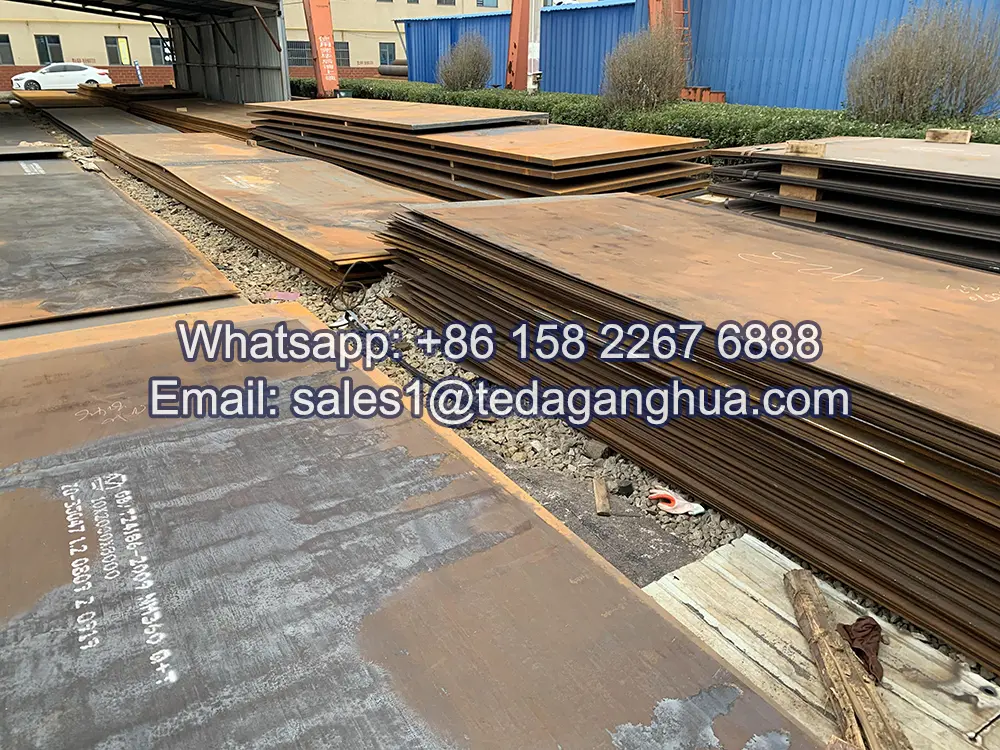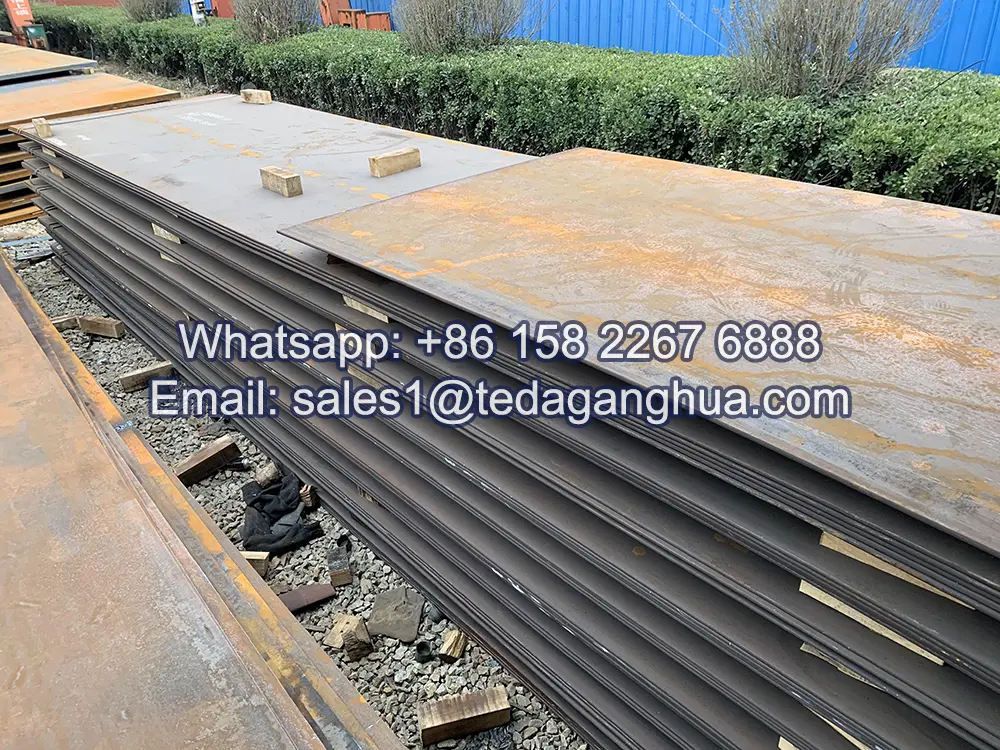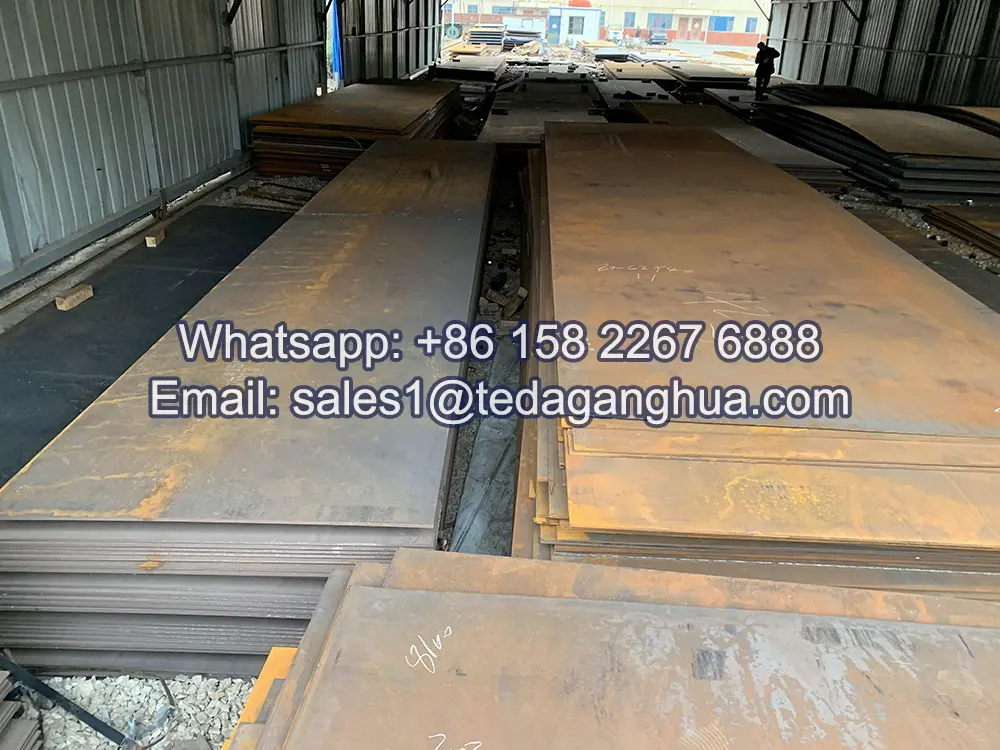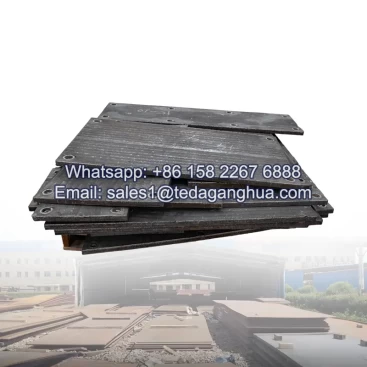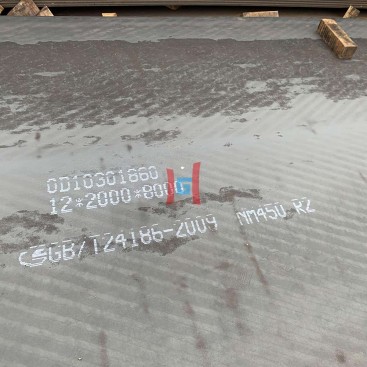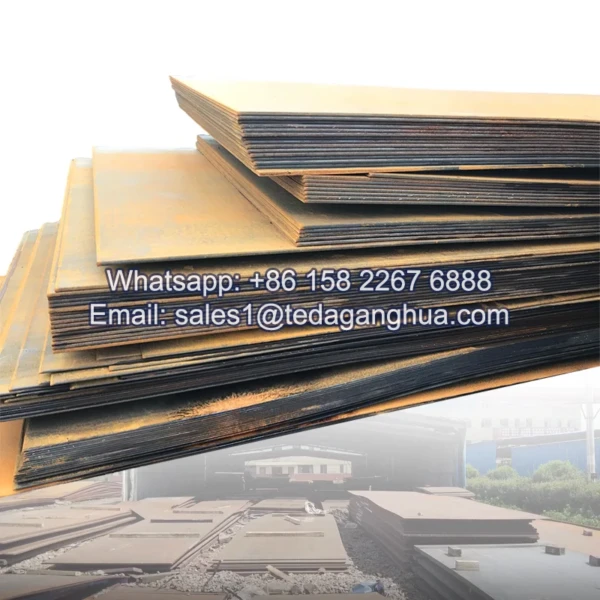
耐摩耗鋼板

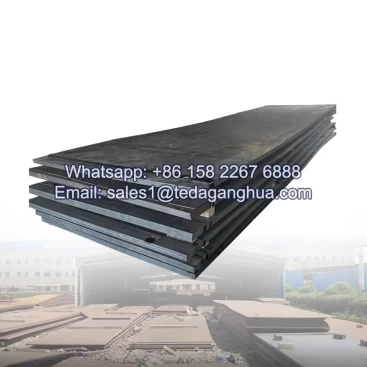
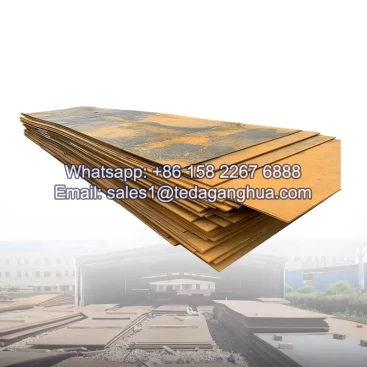
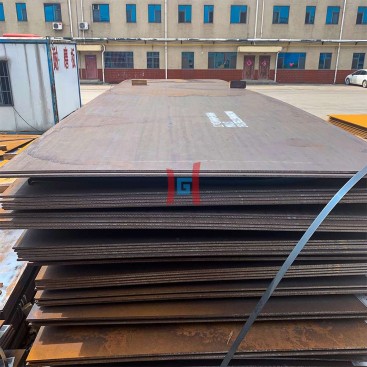
Abrasion resistant steel sheet is a specially engineered alloy steel designed for high wear environments. Its performance comes from a combination of carbon, クロム, マンガン, モリブデン, and other alloying elements together with controlled heat treatment.
- 説明
Abrasion resistant steel sheet is a high-hardness alloy steel designed to resist wear, 摩擦, and impact in harsh industrial environments. It is commonly used in mining equipment, 建設機械, material handling systems, セメント工場, and heavy industrial structures where ordinary steel would wear out rapidly.
The excellent wear resistance of abrasion resistant steel mainly comes from its carefully controlled chemical composition and heat treatment process.
1. Chemical Composition of Abrasion Resistant Steel
Abrasion resistant steel typically contains carbon and alloying elements that improve hardness, 靭性, そして摩耗性能.
| 要素 | Typical Function |
|---|---|
| 炭素 (C) | 硬度と耐摩耗性が向上します |
| マンガン (ん) | 靭性と焼入性の向上 |
| クロム (Cr) | 耐摩耗性と耐腐食性を向上させます |
| モリブデン (モー) | Improves strength and heat treatment stability |
| ニッケル (で) | 靭性と耐衝撃性の向上 |
| ボロン (B) | Enhances hardenability in small quantities |
2. Role of Key Alloying Elements
炭素 (C)
Carbon is the primary element responsible for hardness. Higher carbon content generally increases wear resistance but may reduce weldability if excessive.
クロム (Cr)
Chromium improves surface hardness and helps resist abrasive wear. It also contributes to oxidation resistance in some environments.
マンガン (ん)
Manganese enhances toughness and helps maintain strength under impact loading conditions.
モリブデン (モー)
Molybdenum improves hardenability and prevents brittleness during heat treatment.
ニッケル (で)
Nickel increases toughness and improves low-temperature impact performance.
3. Mechanical Performance Characteristics
| 財産 | パフォーマンス |
|---|---|
| 硬度 | 高い (commonly 400–600 HB) |
| 耐摩耗性 | 素晴らしい |
| 耐衝撃性 | Good to excellent depending on grade |
| 抗張力 | 高い |
| 靭性 | Balanced with hardness |
| 耐用年数 | Much longer than ordinary carbon steel |
4. Common Hardness Grades
Abrasion resistant steel sheets are often classified by hardness level.
| 学年 | Approximate Hardness | 一般的な使用方法 |
|---|---|---|
| AR400 | ~400HB | 一般的な摩耗用途 |
| AR450 | ~450 HB | Medium abrasion environments |
| AR500 | ~500HB | Severe abrasive conditions |
| AR600 | ~600HB | Extreme wear resistance applications |
Higher hardness usually provides better abrasion resistance but may reduce formability and weldability.
5. 耐摩耗機構
Abrasion resistant steel achieves its performance through:
- Quenched and tempered microstructure
- 高い表面硬度
- Strong resistance to material removal under friction
- Ability to absorb impact while maintaining hardness
This combination allows the material to resist both sliding abrasion and impact wear.
6. Processing Characteristics
Although highly wear resistant, these steels can still be processed using proper techniques.
Common processing methods:
- プラズマ切断
- レーザー切断
- CNC machining
- Controlled welding
- Bending with large radius tools
Due to high hardness:
- Stronger tooling is required
- Preheating may be needed during welding
- Excessive forming should be avoided on high-hardness grades
7. Common Application Areas
Abrasion resistant steel sheet is widely used in:
- Mining machinery
- 掘削機バケット
- クラッシャーライナー
- ダンプトラックの車体
- Cement handling systems
- Coal processing equipment
- Agricultural wear components