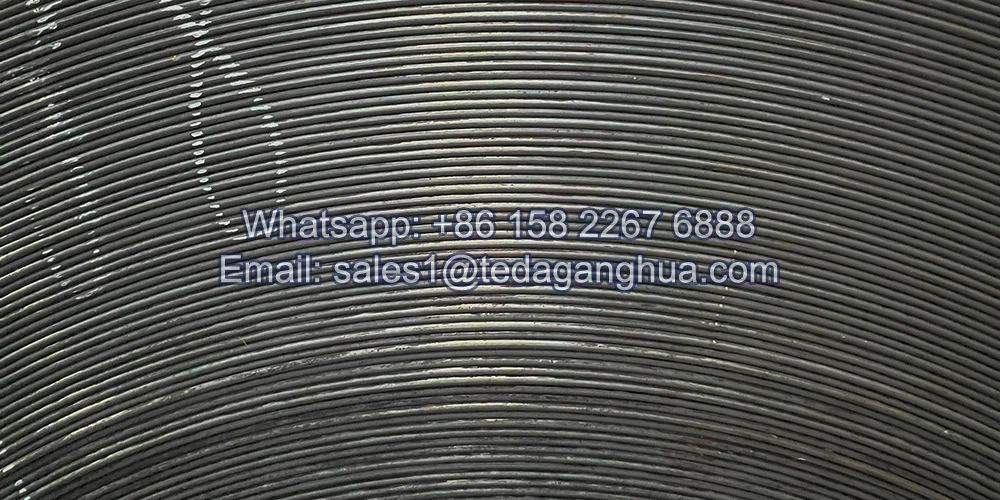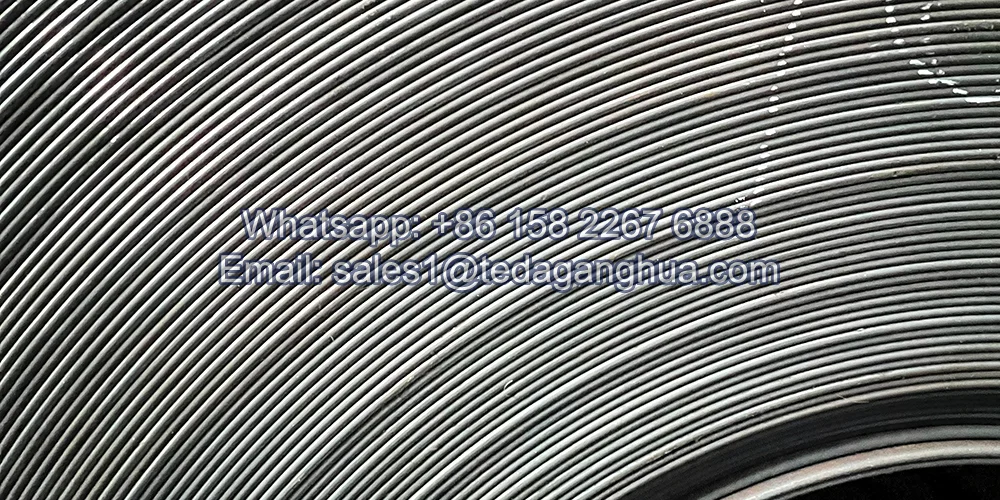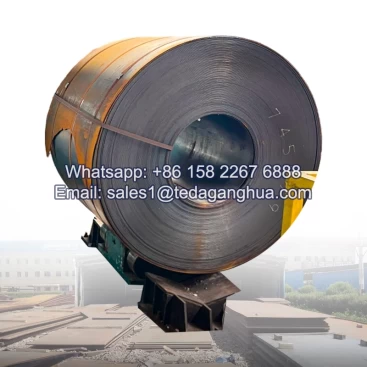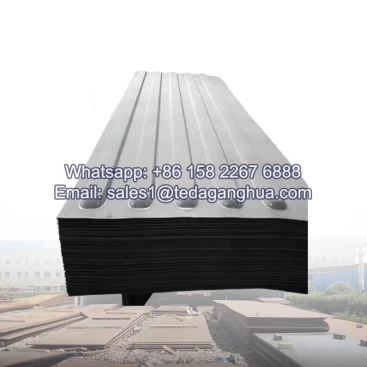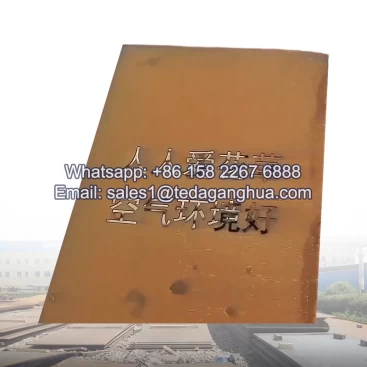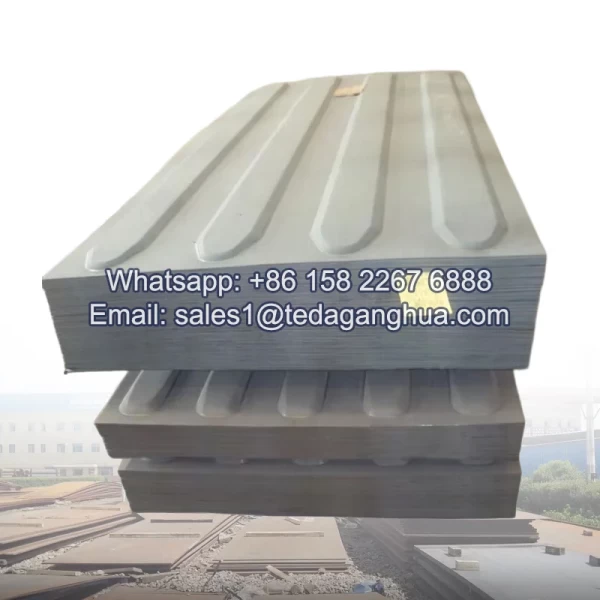
波形コルテンサイディング
Corrugated Corten siding combines the structural advantages of corrugated steel panels と corrosion resistance of weathering steel. Different corrugation types such as trapezoidal, sinusoidal, deep corrugation, and micro corrugation provide flexibility for various engineering and architectural needs.
- 説明
Corrugated Corten siding で広く使用されています 輸送用コンテナ, architectural façades, と産業構造. It is manufactured from 耐候性鋼 (コルテンステム) and formed into corrugated shapes to increase structural strength and durability. The corrugated structure not only improves the load-bearing capacity of steel panels, but also creates the iconic appearance commonly seen on container walls and modern architectural siding systems.
Corten steel siding panels are valued for their excellent atmospheric corrosion resistance, which allows the surface to develop a stable protective rust layer when exposed to outdoor environments.
Why Corten Steel Is Used for Corrugated Panels
Weathering steel is especially suitable for corrugated siding because it offers several advantages:
-
High atmospheric corrosion resistance for outdoor environments
-
Strong mechanical strength for structural wall panels
-
長寿命 without heavy coatings or maintenance
-
Distinctive rust-colored surface that is popular in architectural design
These characteristics make corrugated Corten panels ideal for container structures, exterior cladding, and industrial buildings.
Corrugated Structures Used in Container Panels
Corrugation significantly increases the rigidity of steel sheets. The corrugated design used in container panels is engineered to withstand stacking loads, transportation stresses, and impact forces.
| Corrugation Type | 説明 | 代表的な用途 |
|---|---|---|
| Trapezoidal Corrugation | Angular corrugated ribs forming trapezoid shapes | Shipping container wall panels |
| Sinusoidal Corrugation | Smooth wave-shaped profile similar to traditional corrugated sheets | Roofing panels and architectural siding |
| Deep Corrugation | Large corrugation depth for enhanced strength | Heavy-duty container structures |
| Micro Corrugation | Smaller and denser corrugation pattern | Decorative architectural panels |
このうち, trapezoidal corrugation is the most widely used profile for container panels because it provides excellent structural rigidity and impact resistance.
Typical Corrugated Container Panel Dimensions
Corrugated Corten siding used in containers follows relatively standardized dimensions to maintain compatibility with container manufacturing.
| パラメータ | Typical Specification |
|---|---|
| 材料 | 耐候性鋼 (コルテンステム) |
| 厚さ | 1.6 mm – 3.0 mm |
| Corrugation Pitch | 150 mm – 200 mm |
| Corrugation Depth | 25 mm – 40 mm |
| Panel Width | 1000 mm – 1250 mm |
| 表面 | Natural weathering rust finish |
These specifications may vary depending on the container type, structural requirement, and fabrication process.
Manufacturing Process of Corrugated Corten Panels
The production of corrugated Corten siding involves several industrial processing steps:
-
Steel Plate Preparation – Weathering steel plates are selected according to required grade and thickness.
-
Cold Forming or Roll Forming – The flat steel plate passes through rollers to form the corrugated profile.
-
Cutting and Trimming – Panels are cut to the required length and width for container structures or architectural siding.
-
溶接と組立 – Corrugated sheets may be welded to frames or structures such as container walls.
-
Surface Weathering – The steel gradually forms its protective rust layer when exposed to outdoor conditions.
Applications of Corrugated Corten Siding
Corrugated weathering steel panels are widely used in many industries:
-
Shipping container wall panels
-
Container housing and modular buildings
-
Industrial building cladding
-
Architectural façade systems
-
Outdoor landscape structures
Because of its 強さ, 耐食性, and industrial aesthetic, corrugated Corten siding has become a popular material for both structural and architectural applications.