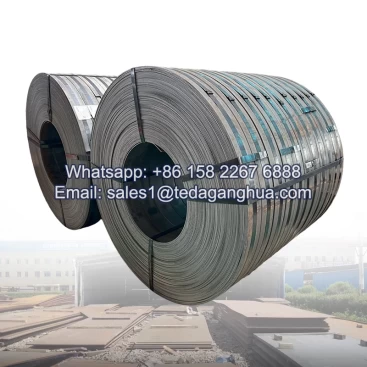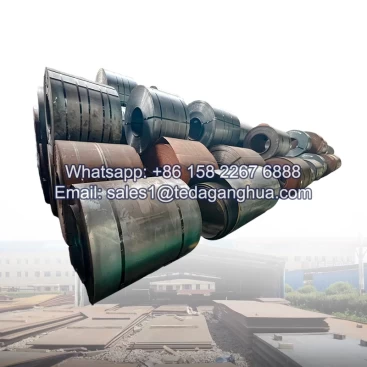
コールテン鋼クラッディング
The rust layer of Corten steel cladding is a dense, stable mixture of iron oxides enhanced by copper, クロム, and nickel elements. Unlike ordinary rust, it forms a protective patina that prevents further corrosion while providing a distinctive architectural finish. This unique combination of protection and aesthetics is what makes Corten steel cladding widely used in modern building design and exterior façade systems.
- 説明
Corten steel cladding refers to exterior building panels made from weathering steel (コルテンステム). Its unique appearance and durability come from the formation of a stable rust layer, としても知られています 保護緑青. 普通の鉄の錆とは違います, this layer is not destructive—instead, it acts as a natural protective coating.
1. Composition of the Corten Steel Rust Layer
The rust layer on Corten steel is mainly composed of iron oxides, but its structure is modified by alloying elements in the steel.
Main components of the rust layer:
| 成分 | 関数 |
|---|---|
| Iron Oxides (Fe₂O₃, Fe₃O₄) | Forms the base rust layer and color (red-brown tone) |
| Copper compounds (Cu-rich phases) | Improves density and adhesion of rust layer |
| Chromium oxides | 耐食性の向上 |
| Nickel-enriched zones | Stabilizes oxide structure |
| Phosphate compounds | Helps form compact protective film |
👉 This combination creates a 密集, tightly bonded oxide layer, unlike flaky rust on carbon steel.
2. Properties of the Corten Steel Patina
1. Dense and Non-Porous Structure
錆層はこうなります:
- Compact and tightly adhered to the steel surface
- Resistant to water and oxygen penetration
- Difficult to flake or peel off
2. Self-Protecting Corrosion Behavior
Once the patina is fully formed:
- 腐食速度が大幅に減少
- The surface “seals” itself naturally
- Further rusting slows down instead of spreading
3. Stable Color Development
The rust layer develops a controlled aesthetic:
- 早期: orange-red surface
- Mid stage: reddish-brown tone
- 安定期: deep brown protective patina
This color remains relatively stable over time under natural weathering cycles.
4. Weather Resistance
The rust layer performs well in atmospheric conditions:
- Resistant to rain and humidity cycles
- Stable under dry/wet alternation
- Suitable for long-term outdoor exposure
3. Function of the Rust Layer in Cladding Systems
In Corten steel cladding, the rust layer plays three key roles:
1. Protective Barrier
- Blocks oxygen and moisture from reaching the base metal
- Reduces internal corrosion rate
- Extends service life of the panel
2. Structural Stability
- Maintains integrity of steel substrate
- Prevents deep pitting corrosion
- Ensures long-term mechanical performance
3. Architectural Aesthetic Function
- Provides natural red-brown decorative finish
- Eliminates need for painting or coating
- Creates a modern industrial architectural style
- Allows controlled visual aging over time
4. Difference Between Corten Cladding Rust and Ordinary Rust
| 特徴 | Corten Steel Cladding Rust | Ordinary Steel Rust |
|---|---|---|
| 構造 | Dense and compact | Loose and flaky |
| 保護 | Protective patina | Non-protective corrosion |
| Adhesion | Strong bonding | Peels off easily |
| Corrosion Behavior | Self-limiting | Continuous expansion |
| 外観 | Stable architectural finish | Uneven and destructive |
5. Why Rust Layer Is Critical in Cladding Applications
For exterior cladding systems, the rust layer is essential because it:
- Eliminates need for painting
- Reduces long-term maintenance cost
- Provides stable decorative surface
- Ensures durability in outdoor environments
- Maintains consistent architectural appearance