オキシコールテン
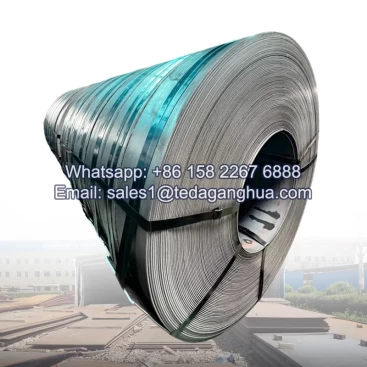
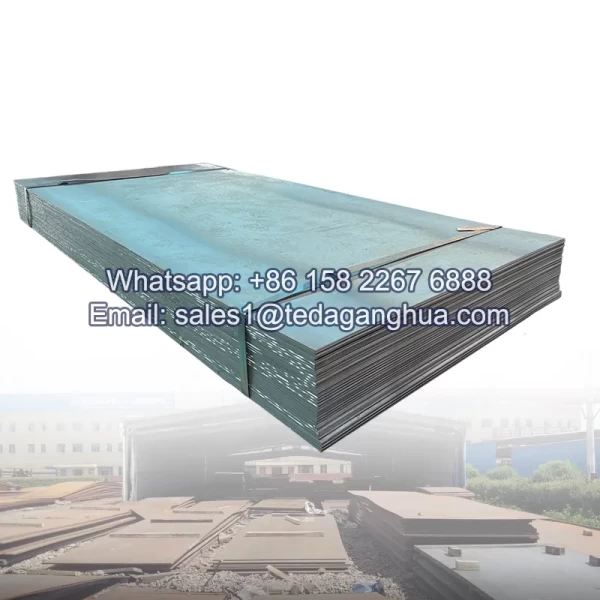
オキシコールテン refers to the unique behavior of Corten steel when exposed to oxygen. Instead of continuous corrosion, it undergoes a controlled oxidation process, を形成する 安定した保護錆層. This interaction with oxygen is the key reason behind its durability, making it ideal for outdoor applications such as garden planters, 建築ファサード, 造園構造物.
- 説明
オキシコールテン is an informal way to describe コルテンステム (耐候性鋼) due to its strong interaction with 酸素 (O₂) in the air. The name comes from the fact that its most important characteristic—its protective rust layer—is formed through controlled oxidation.
Why Is Corten Steel Associated with Oxygen?
Corten steel is called “oxygen steel” because:
-
It reacts with oxygen and moisture in the atmosphere
-
This reaction creates a stable oxide layer (rust patina)
-
普通の鋼とは異なります, the oxidation process is self-protecting rather than destructive
簡単に言うと, oxygen does not weaken Corten steel in the same way it corrodes regular carbon steel—it actually helps protect it.
What Happens When Corten Steel Reacts with Oxygen?
1. Initial Oxidation
When exposed to air and water:
-
鉄 (fe) reacts with oxygen (O₂)
-
フォーム 酸化鉄 (さび)
-
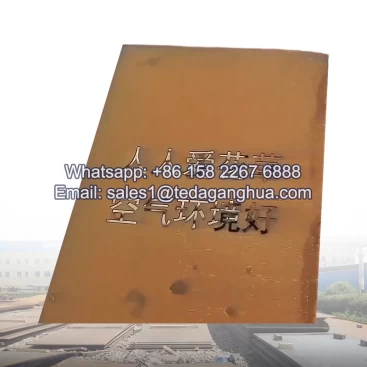
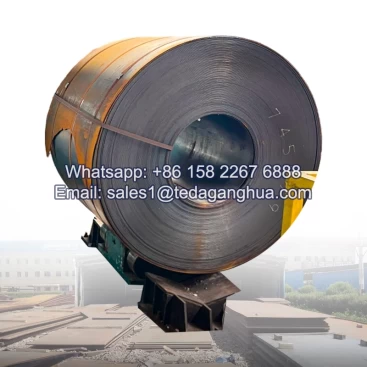
Surface begins to change from dark gray to orange-brown
2. Formation of Patina Layer
Due to alloying elements such as:
-
銅 (銅)
-
クロム (Cr)
-
ニッケル (で)
錆層はこうなります:
-
Dense and adherent
-
Less porous than normal rust
-
Capable of blocking further oxygen and moisture penetration
3. Stabilization
時間とともに:
-
The oxidation slows down
-
あ stable protective layer forms
-
The steel reaches a balance between oxidation and protection
比較: Corten Steel vs Ordinary Steel in Oxygen
| 側面 | コールテンスチール | 普通炭素鋼 |
|---|---|---|
| Reaction with oxygen | Controlled oxidation | 継続的な腐食 |
| Rust layer | 密集, 保護的な | Loose, flaky |
| Corrosion rate | 時間の経過とともに減少します | Increases over time |
| 寿命 | Long in outdoor use | Requires coating or protection |
Key Mechanism
-
Oxygen initiates the rusting process
-
Alloying elements modify the oxide structure
-
The final rust layer becomes a barrier, not a weakness
This is why Corten steel is often described as “self-protecting steel”.