

- 説明
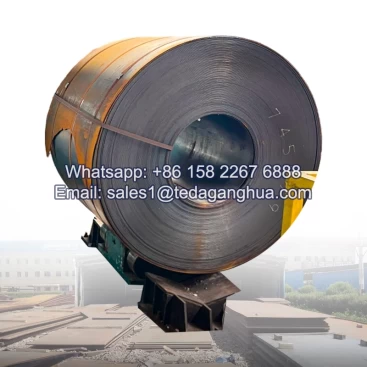
Rusted steel cladding commonly refers to corten steel (耐候性鋼) used as exterior building façade panels. Its most distinctive feature is the stable “red rust” or oxide patina layer that forms naturally on the surface after exposure to outdoor environments. This rust layer is not a defect—instead, it is a controlled corrosion process that protects the inner steel from further degradation.
Corten steel cladding is widely used in architectural façades, wall cladding systems, landscape screens, and modern building envelopes due to its unique appearance and long-term durability.
How the Rusted Layer of Corten Steel Is Formed
The red-brown protective layer on corten steel is formed through a controlled oxidation cycle involving moisture, 酸素, および合金元素.
1. 初期の錆の形成
When corten steel is first exposed to the atmosphere:
- Oxygen and water react with iron in the steel surface
- A thin layer of iron oxide begins to form
- This is similar to ordinary rust at the early stage
この段階では, the surface may appear uneven and flaky.
2. Alloying Element Activation
Corten steel contains small amounts of:
- 銅 (銅)
- クロム (Cr)
- ニッケル (で)
- リン (P)
These elements change the nature of the rust layer by:
- Reducing rust porosity
- Slowing down moisture penetration
- Stabilizing oxide formation
3. 保護緑青の形成
After repeated cycles of:
- Wetting (雨, 湿度)
- Drying (sun, wind)
The rust layer gradually transforms into a dense, tightly bonded oxide film known as a 保護緑青.
This layer:
- Adheres strongly to the steel surface
- Prevents deep corrosion
- Reduces oxygen and water penetration
- Stops further rust penetration into the base metal
This is the key difference between corten steel and ordinary carbon steel.
Key Properties of Rusted Steel Cladding (Corten Façade)
1. 自己保護表面層
Unlike traditional steel, corten does not require paint or coating in many outdoor applications. The rust layer itself becomes the protective barrier.
2. Long-Term Weather Resistance
Once stabilized, the patina layer resists:
- Rain exposure
- Humidity cycles
- Urban atmospheric pollution
- Mild chemical exposure
This makes it suitable for long-life architectural façades.
3. 独特の美的外観
The surface develops a natural color transition:
- ダークグレー (initial stage)
- Orange rust (active oxidation)
- Deep brown stable patina (final stage)
This gives buildings a warm, industrial, and natural architectural style.
4. メンテナンスの必要性が低い
Because the corrosion process is self-limiting:
- No repainting is required
- No protective coating maintenance is needed
- Only basic cleaning may be required in some environments
5. Structural Stability
Corten steel cladding maintains good mechanical properties:
| 財産 | 代表値 |
|---|---|
| 降伏強さ | ≥ 345 MPa |
| 抗張力 | 485–630MPa |
| Corrosion Mode | Surface-only, self-limiting |
The corrosion does not continuously penetrate like ordinary steel.
Important Environmental Conditions for Stable Rust Formation
The protective patina does not form correctly in all environments.
Good conditions include:
- Alternating wet and dry cycles
- Outdoor exposure with air circulation
- Urban or rural atmospheric environments
Poor conditions include:
- Constant humidity or water immersion
- Marine splash zones (high salt exposure)
- Poor drainage or water trapping areas
In unsuitable environments, rust may remain unstable and continue to corrode.
Why Corten Steel Is Used for Cladding Systems
Rusted steel cladding is widely used because it combines:
- Structural strength of steel
- Decorative rust aesthetics
- Natural protective surface behavior
- Long service life with low maintenance
It is especially popular in:
- Modern architectural façades
- Commercial buildings
- 文化的建造物と博物館
- Landscape walls and partitions
- Industrial-style exterior design