耐摩耗鋼 vs 高マンガン鋼: 重摩耗用途に適した素材はどれか?
耐摩耗鋼・高マンガン鋼 [Mn13高マンガン鋼 (ハドフィールド・スチール): 加工硬化のメカニズム, 耐摩耗性 & 産業用途] どちらも厳しい摩耗環境で広く使用されています, しかし、そのパフォーマンスは作業条件が異なると大きく異なります。. 多くの購入者は、硬度だけが耐摩耗性の要素であると考えています。, yet actual service life often depends on the balance between abrasion resistance and impact resistance. In heavy industries such as mining, セメント, 採石, and bulk material handling, selecting the right material can significantly reduce downtime and maintenance costs.
Understanding the Two Materials
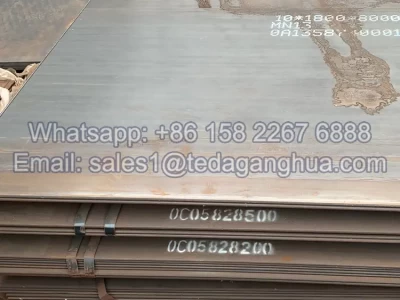
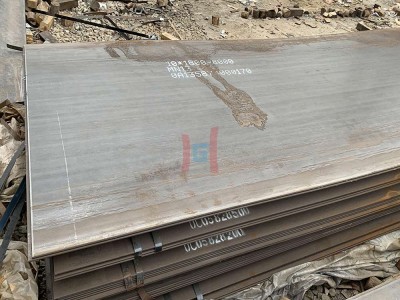
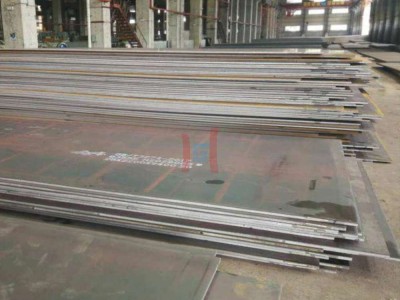
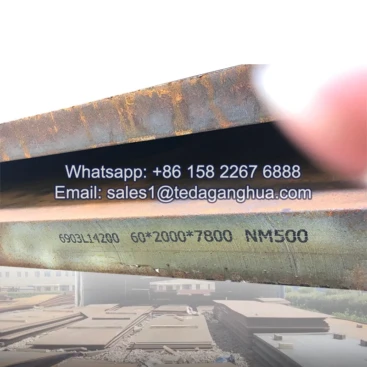
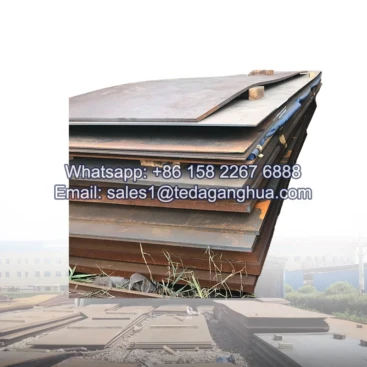
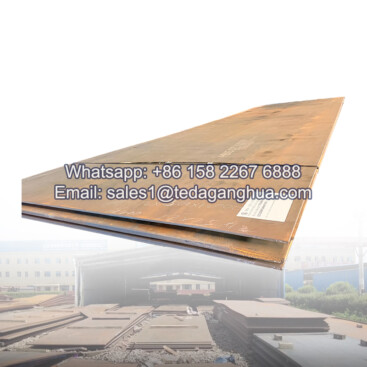
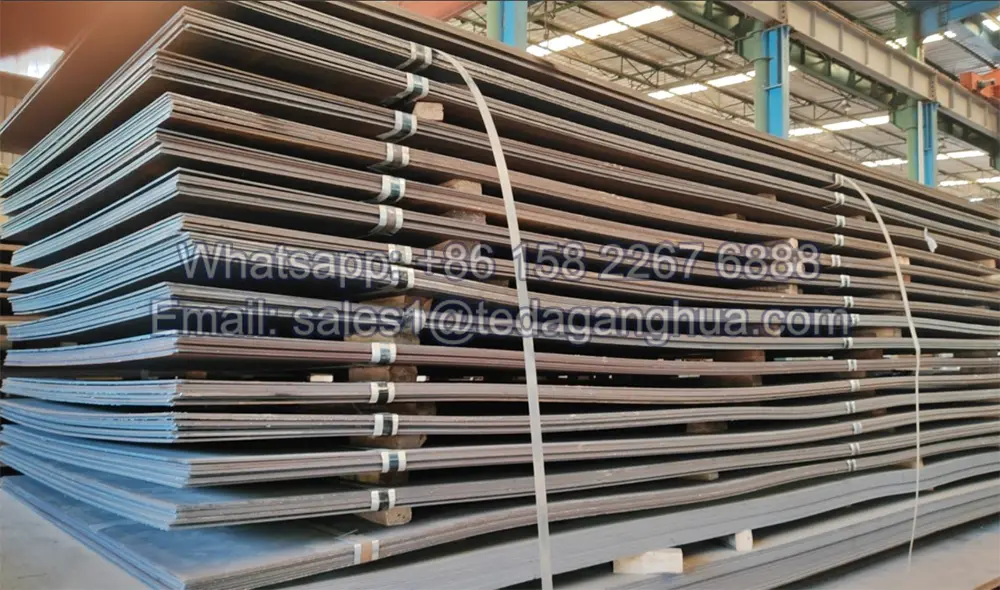
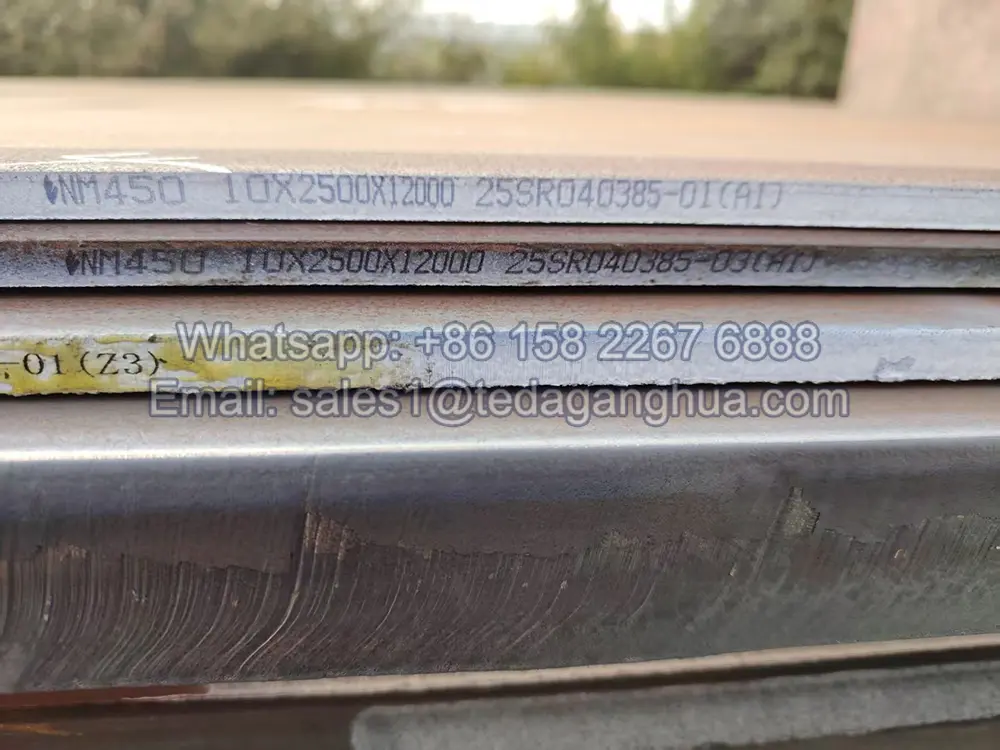
Wear-resistant steel [NM400 vs NM450 vs NM500 耐摩耗鋼: 硬度レベル, 性能比較 & 産業用途] is engineered primarily for high hardness and strong resistance against sliding abrasion, cutting wear, and surface erosion. Typical grades are designed to maintain stable hardness throughout service life, making them ideal for applications dominated by friction and abrasive wear.
高マンガン鋼, commonly represented by Mn13, works on a completely different principle. Instead of relying only on initial hardness, it uses exceptional toughness and work hardening ability to resist wear under impact-heavy environments. [高マンガン鋼の切断: 酸素アセチレン火炎切断が推奨されない理由]
Core Mechanism: Hardness vs Work Hardening
The wear resistance mechanism of wear-resistant steel is straightforward: high initial hardness resists cutting and scratching from abrasive particles. This makes it highly effective in low-impact, high-friction environments.
High manganese steel follows the principle of “becoming stronger under impact.” Under repeated impact loading, the surface rapidly work-hardens while the inner core remains tough. This creates a hardened outer layer combined with a ductile core.
Without sufficient impact force, high manganese steel cannot fully activate its work-hardening behavior, and its wear resistance may perform below expectations.
| 財産 | 耐摩耗鋼 | 高マンガン鋼 |
|---|---|---|
| Core Strength | High hardness | 高い靭性 |
| 摩耗機構 | 耐摩耗性 | Work hardening |
| 耐衝撃性 | 適度 | 素晴らしい |
| Best Use Case | 滑り摩耗 | 大きな衝撃 |
Application Matrix: Which Material Wins?
Scenario A: High Impact + Large Material Size
[耐摩耗鋼における硬度と靭性のトレードオフ: NM400 がスイート スポット ゾーンである理由]
Applications such as primary crusher liners, hammer crushers, 踏切, and mining jaw plates involve extreme impact loads. In these environments, high manganese steel is typically the superior choice because it can absorb impact while hardening during operation.
🏆 Winner: 高マンガン鋼
Scenario B: Low Impact + High Sliding Abrasion
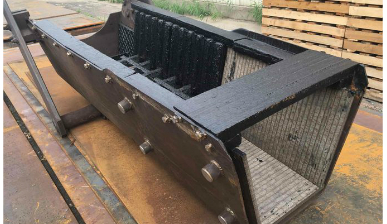
Applications such as chutes, ホッパー, truck dump bodies, cement silos, and conveyor liners are dominated by friction and abrasive wear rather than impact.
[NM400耐摩耗鋼板: 耐摩耗鋼の衝撃靱性とスイートスポットゾーン 耐摩耗鋼の硬度と靱性のトレードオフ]
[NM500 セメントシュートライナー用耐摩耗鋼: 3× 長寿命]
High surface hardness provides better protection against constant abrasion.
🏆 Winner: 耐摩耗鋼
Scenario C: Mixed Working Conditions
When both impact and abrasion exist, material selection becomes more complex. Engineers must balance hardness, 靭性, and lifecycle cost to determine the optimal solution.
In some cases, layered wear solutions or hybrid designs may provide the best performance. [スクラップグラップル刃先用の高マンガン鋼と炭化クロムのオーバーレイプレート]
Fabrication and Maintenance Considerations
Material selection also affects fabrication efficiency and maintenance strategy.
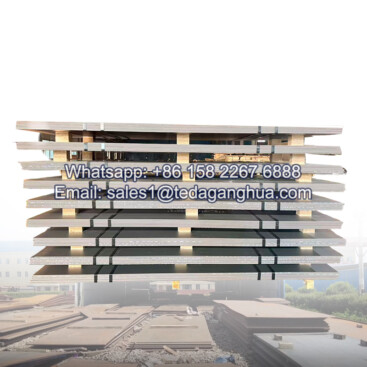
Wear-resistant steel often requires controlled cutting procedures and preheating before welding, especially for thicker plates. Improper welding may introduce cracking risk. [ウェアプレートの取り付け方法: ボルト接続とプラグ溶接の比較]
High manganese steel requires careful thermal control during welding because prolonged high-temperature exposure can reduce its work-hardening properties and toughness.
From a maintenance perspective, total cost of ownership matters more than material price alone. Frequent replacement leads to higher labor costs, production downtime, and operational losses.
[冬季低温耐摩耗鋼板: NM400の脆性破壊を防ぐ方法, NM450 & NM500]
Decision Matrix for Material Selection
| Impact Intensity | Abrasive Hardness | Recommended Material |
|---|---|---|
| 低い | 高い | 耐摩耗鋼 |
| 高い | Low-Medium | 高マンガン鋼 |
| 高い | 高い | Case-by-case engineering analysis |
Commercial Value for Industrial Buyers
For distributors, OEM manufacturers, and industrial project contractors, choosing the correct wear material improves equipment uptime and reduces long-term maintenance costs. Selecting the wrong material often results in premature failure, higher replacement frequency, and significant production losses.
Reliable sourcing of high-quality 耐摩耗鋼 and industrial wear materials ensures stable quality and consistent performance across demanding applications.
If working conditions are uncertain, professional wear analysis and engineering consultation can significantly improve material selection accuracy and reduce operational risk.
よくある質問
Is harder steel always better for wear resistance?
いいえ. Hardness improves abrasion resistance, but impact resistance and toughness are equally important in many applications.
Why does high manganese steel perform poorly in low-impact environments?
Because it depends on impact-induced work hardening to achieve optimal wear resistance. [高マンガン鋼のライナープレートが変形するのはなぜですか? 原因, 診断 & NM400の代替品]
Which material is better for crusher liners? [二次破砕機ライナー: なぜ高マンガン鋼が金鉱山の耐摩耗鋼に取って代わられるのか]
High manganese steel is usually preferred because of its excellent impact resistance and work-hardening capability.
Which material is better for chutes and hoppers?
Wear-resistant steel is typically more effective in high-abrasion, low-impact conditions.
How should industrial buyers choose between the two?
Material selection should be based on impact intensity, abrasive hardness, and total ownership cost rather than purchase price alone. [耐摩耗鋼コスト計算ツール: 初期購入コストと長期メンテナンス費用の節約]