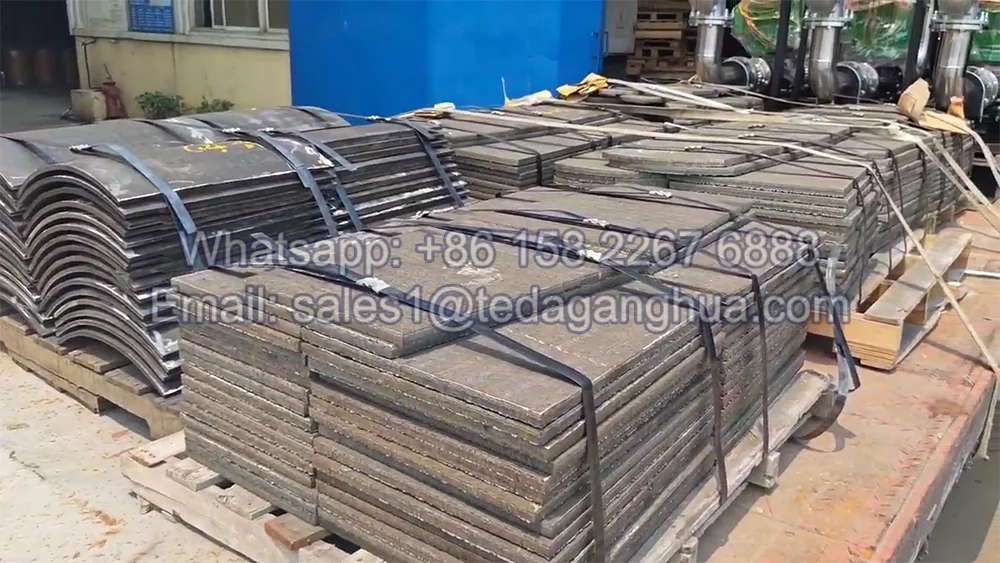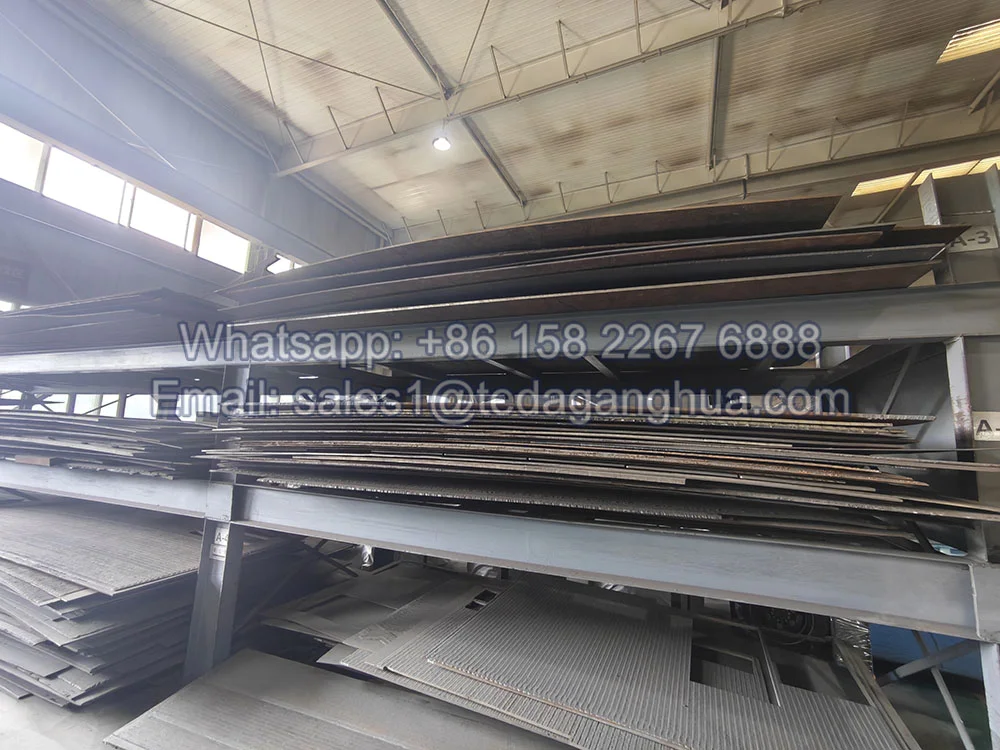
- 설명
PTA Welding Overlay Plate Applications: Valve Seats, Pump Components and Downhole Drilling Tools
PTA (플라즈마 전송 아크) welding overlay technology is widely used for high-value components that require a combination of wear resistance, 내식성, impact durability, and precise dimensional control.
Unlike conventional overlay welding processes, PTA provides extremely low dilution, allowing expensive alloy systems such as cobalt-based, nickel-based, and tungsten carbide reinforced materials to maintain their designed chemical composition and performance.
Three major application areas demonstrate why PTA is preferred over traditional welding overlay:
- Valve sealing surfaces
- Pump shafts, sleeves, and impellers
- Oil and gas downhole drilling tools
1. Why PTA Is Preferred for Precision Wear Components
Precision components operate under conditions where both surface performance and dimensional accuracy are critical.
A successful overlay layer must provide:
- Strong metallurgical bonding with the substrate
- Controlled alloy composition
- Low dilution of base material elements
- Stable hardness and corrosion resistance
- Minimal thermal distortion
| 성능 요인 | PTA Advantage |
|---|---|
| Dilution Rate | Typically below 5% |
| Heat Control | Localized plasma energy with narrow heat affected zone |
| 오버레이 두께 | 약 1-3 mm per layer |
| Alloy Protection | Maintains designed chemical composition |
2. PTA Overlay for Valve Seats and Sealing Surfaces
Valve sealing components operate under extreme pressure, temperature variation, and corrosive media exposure. The sealing surface must maintain hardness, dimensional stability, and corrosion resistance throughout long service periods.
PTA is widely used for valve seat hardfacing because it allows precise deposition of cobalt-based and nickel-based alloys without excessive dilution.
Typical Valve Seat Overlay Materials
| Alloy System | 일반적인 경도 | Main Performance |
|---|---|---|
| 코발트 기반 합금 (Stellite) | HRC 38-48 | Excellent corrosion resistance and high-temperature wear resistance |
| 니켈 기반 합금 | HRC 40-55 | Good corrosion protection and abrasion resistance |
The low dilution characteristic of PTA prevents excessive iron mixing into the overlay layer, helping preserve corrosion-resistant alloy properties.
3. PTA Overlay for Pump Shafts, Sleeves and Impellers
Pump components often face combined wear mechanisms including erosion, 부식, 캐비테이션, and abrasive particle impact.
For these applications, PTA allows engineers to apply nickel-based carbide reinforced coatings that provide both wear protection and corrosion resistance.
| 요소 | Operating Challenge | PTA Solution |
|---|---|---|
| Pump Shaft Sleeve | Sliding wear and corrosion | Nickel-based carbide overlay |
| Impeller Surface | Erosion and particle impact | Wear-resistant alloy reinforcement |
| Hydraulic Components | Combined corrosion and abrasion | Controlled PTA hardfacing layer |
Typical Performance Range
- 경도: HRC 55-62
- 우수한 내식성
- Improved erosion resistance
- Longer service life in aggressive fluids
4. PTA Overlay for Oil and Gas Downhole Drilling Tools
Downhole drilling tools experience some of the most severe wear conditions in industry, including high-speed abrasion, impact loading, 진동, and corrosive drilling fluids.
PTA technology enables the application of tungsten carbide reinforced nickel-based alloys to create extremely durable wear surfaces.
| Material System | 경도 | Application Benefit |
|---|---|---|
| 텅스텐 카바이드 + Nickel Matrix | HRC 60+ | 극도의 내마모성 |
| Carbide Reinforced Alloy | HRC 55-65 | Impact and erosion protection |
일반적인 응용 분야는 다음과 같습니다.:
- Drill stabilizers
- Drilling tool joints
- Downhole wear pads
- Oilfield cutting components
5. Why SAW Is Not Suitable for These Precision Applications
서브머지드 아크 용접 (봤다) is an excellent technology for large-area wear plates, but it is usually not suitable for precision components requiring corrosion-resistant alloy performance.
| 요인 | PTA | 봤다 |
|---|---|---|
| Dilution Rate | <5% | 10-15%+ |
| 애플리케이션 초점 | Precision components | Large wear plates |
| Alloy Composition Control | 훌륭한 | 보통의 |
| Corrosion Resistant Alloy Performance | Maintained | May be reduced by dilution |
| Typical Layer Thickness | 1-3 mm | 3-10 mm+ |
For corrosion-resistant alloys, excessive dilution can reduce key alloying elements such as chromium, 니켈, and cobalt, weakening the intended surface properties.
6. PTA vs Other Hardfacing Technologies
| Technology | Main Strength | 일반적인 응용 |
|---|---|---|
| PTA | 정도, low dilution, alloy control | 밸브, 슬리퍼, 드릴링 도구 |
| SAW Overlay | High deposition efficiency | Large wear plates and liners |
| Open Arc Overlay | Fast deposition and field repair | Heavy industrial components |
| 레이저 클래딩 | Ultra-low heat input | Precision repair applications |
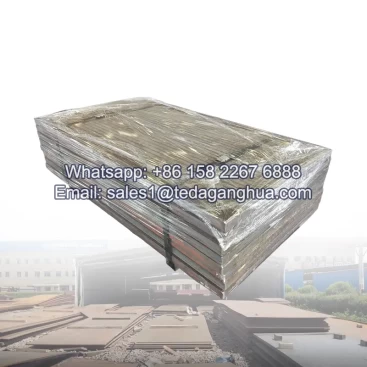
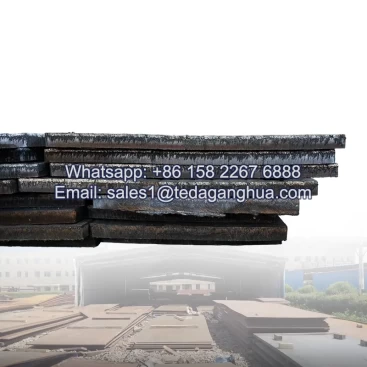
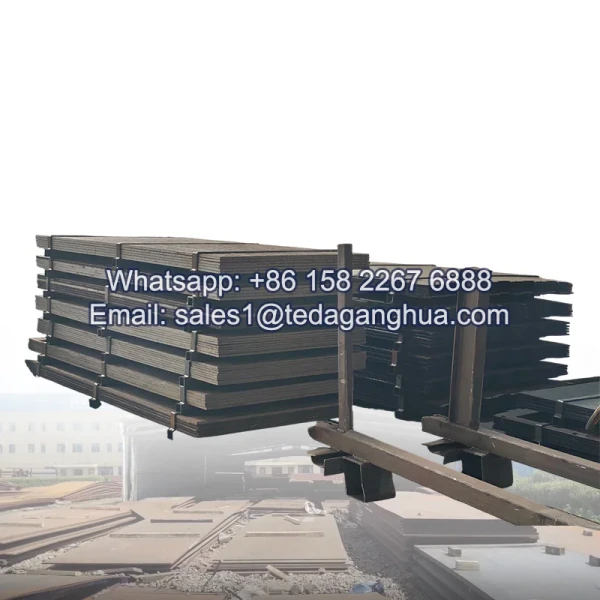
7. Teda Ganghua Wear-Resistant Material Solutions
Teda Ganghua provides advanced wear-resistant material solutions for demanding industrial applications requiring reliable performance and extended service life.
Our capabilities include:
- 크롬 카바이드 오버레이 플레이트
- Customized hardfacing solutions
- Wear-resistant composite materials
- CNC cutting and fabrication services
- Technical support for industrial wear challenges
With professional manufacturing experience and strict quality management, Teda Ganghua supports customers in mining, 시멘트, 강철, energy, and heavy equipment industries with optimized wear protection solutions.
Learn more:
결론
PTA welding overlay technology is the preferred solution for precision components where wear resistance, 부식 방지, and dimensional accuracy must work together.
밸브 시트, pump components, and downhole drilling tools require controlled alloy performance that conventional high-dilution welding processes cannot always provide. Through ultra-low dilution and precise plasma control, PTA delivers a durable metallurgical surface engineered for extreme operating conditions.