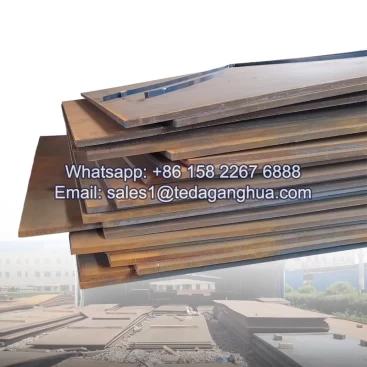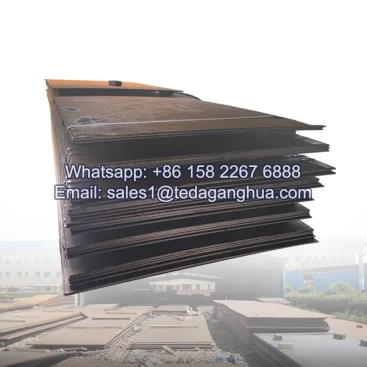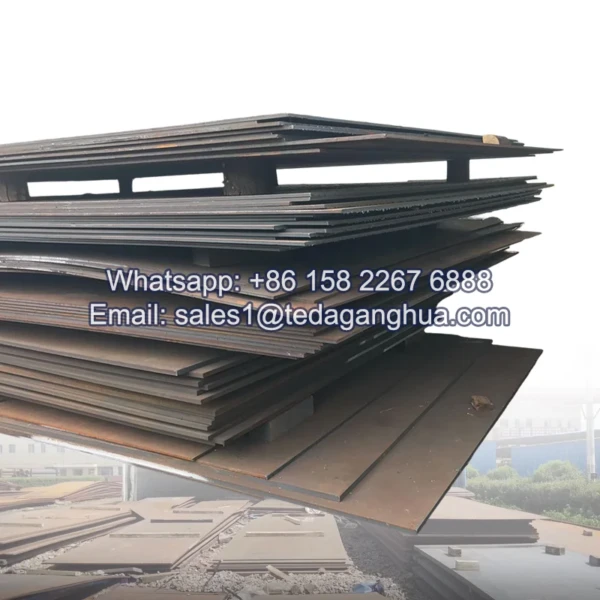
- 설명
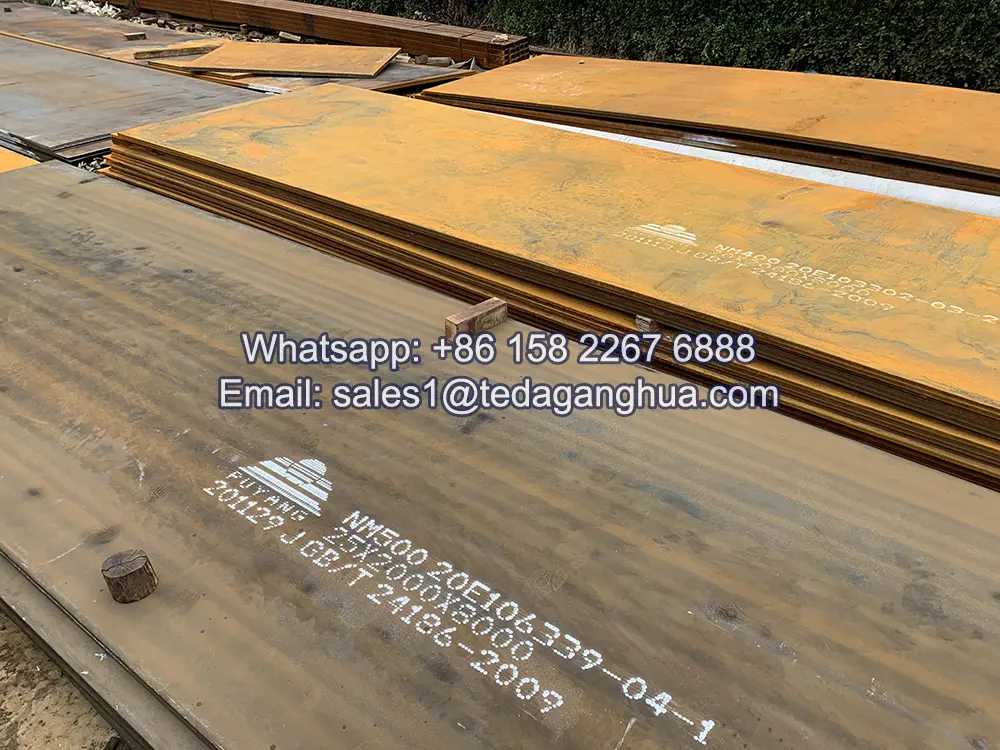
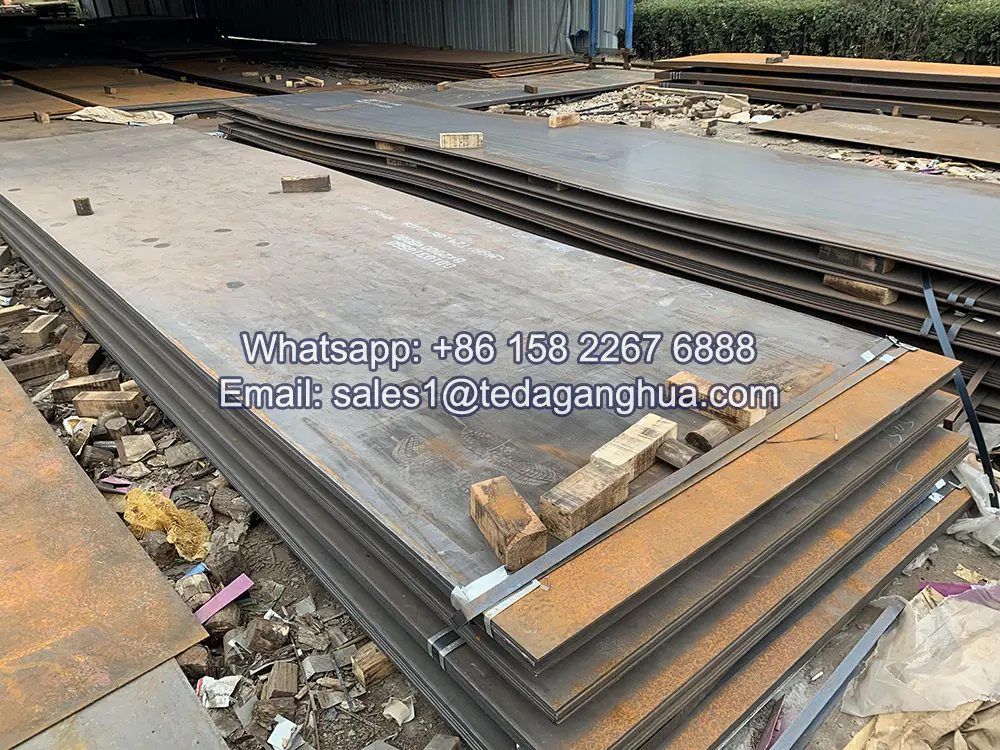
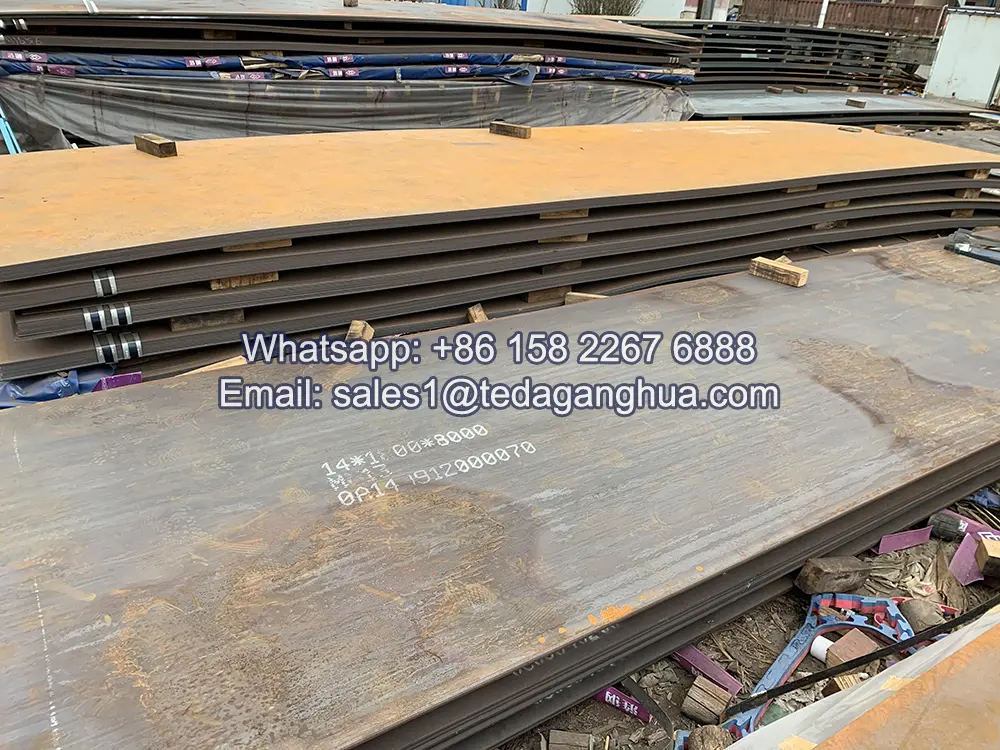
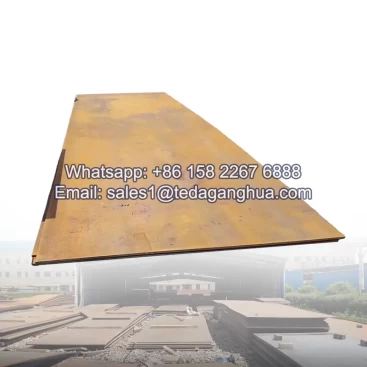
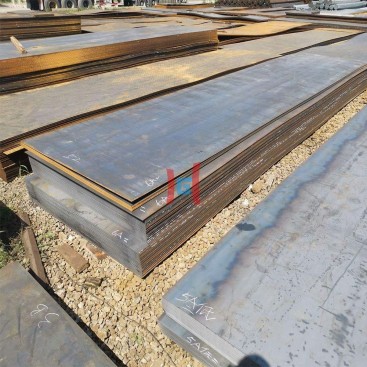
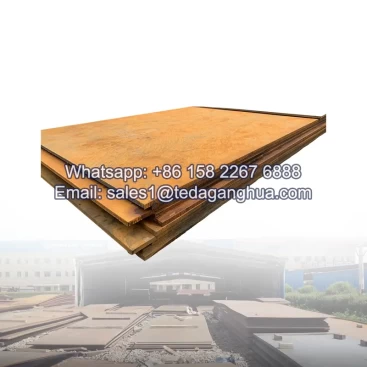
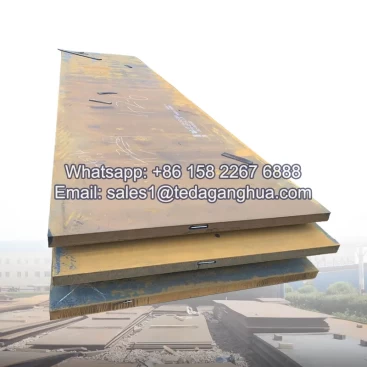
Wear resistant metal refers to a group of high-strength alloy steels designed to withstand severe surface wear, 마찰, 까다로운 산업 환경에 미치는 영향. These materials are engineered to provide long service life in applications where ordinary carbon steel would fail due to rapid abrasion.
The two most important performance factors of wear resistant metal are 경도 그리고 내마모성, which directly determine the durability and service efficiency of industrial equipment.
1. Hardness of Wear Resistant Metal
Hardness is the primary indicator of a material’s ability to resist deformation and surface wear.
Most wear resistant steels are classified by Brinell hardness (HB):
| 등급 | 경도 수준 |
|---|---|
| AR400 | ~400HB |
| AR450 | ~450HB |
| AR500 | ~500HB |
| AR600 | ~600HB |
Hardness Characteristics
- Higher hardness = better resistance to surface indentation and scratching
- Hardness is achieved through alloy composition and heat treatment (담금질 및 템퍼링)
- Hard microstructure (usually martensitic) provides wear resistance
하지만, 경도가 높아지면서:
- Formability decreases
- Welding becomes more difficult
- Toughness may be reduced
2. Abrasion Resistance Mechanism
Wear resistant metal resists abrasion through several mechanisms:
1. 높은 표면 경도
Hard surfaces reduce material loss caused by friction and particle impact.
2. Alloy Strengthening
핵심 요소는 마모 성능을 향상시킵니다.:
- 탄소 (기음): 경도를 증가시킨다
- 크롬 (Cr): improves abrasion resistance
- 망간 (망): enhances toughness
- 몰리브덴 (모): stabilizes hardened structure
- 니켈 (~ 안에): improves impact resistance
3. Heat Treatment Structure
Most wear resistant steels use:
- 담금질
- 템퍼링
This produces a hard and stable microstructure that resists deformation and wear.
3. Relationship Between Hardness and Wear Resistance
일반적으로, wear resistance increases with hardness:
| 경도 수준 | 내마모성 | 일반적인 응용 |
|---|---|---|
| ~300HB | 중간 | Light wear conditions |
| ~400HB | 좋은 | General industrial use |
| ~450HB | 더 나은 | Mining and heavy machinery |
| ~500HB | 높은 | 가혹한 마모 환경 |
| ~600HB | 극심한 | Special high-wear applications |
하지만, wear resistance is not only determined by hardness, but also by:
- 영향 수준
- 마모 유형 (슬라이딩, 가우징, 영향)
- Material environment
4. Hardness vs Toughness Balance
Wear resistant metal must balance hardness and toughness:
- High hardness → better wear resistance
- High toughness → better impact resistance
예를 들어:
- AR400: better balance of hardness and toughness
- AR500: higher wear resistance but lower toughness
- AR600: extreme hardness but limited impact resistance
5. Advantages of High Hardness Wear Resistant Metal
- 거친 환경에서 긴 사용 수명
- Reduced equipment maintenance
- 운영 효율성 향상
- Lower replacement frequency
- Better resistance to friction and particle erosion
6. 일반적인 응용
Wear resistant metals are widely used in:
- 광업 장비 (덤프 트럭, 굴삭기 버킷)
- 분쇄기 및 스크리닝 시스템
- 시멘트 및 골재 공장
- 석탄 처리 시스템
- 재활용 기계
- 농업용 마모 부품
- Industrial liners and chutes