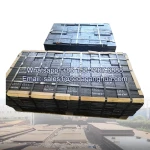
- Penerangan
Plat keluli berpakaian: Manufacturing and Processing Technology of Weld Overlay Wear Plate
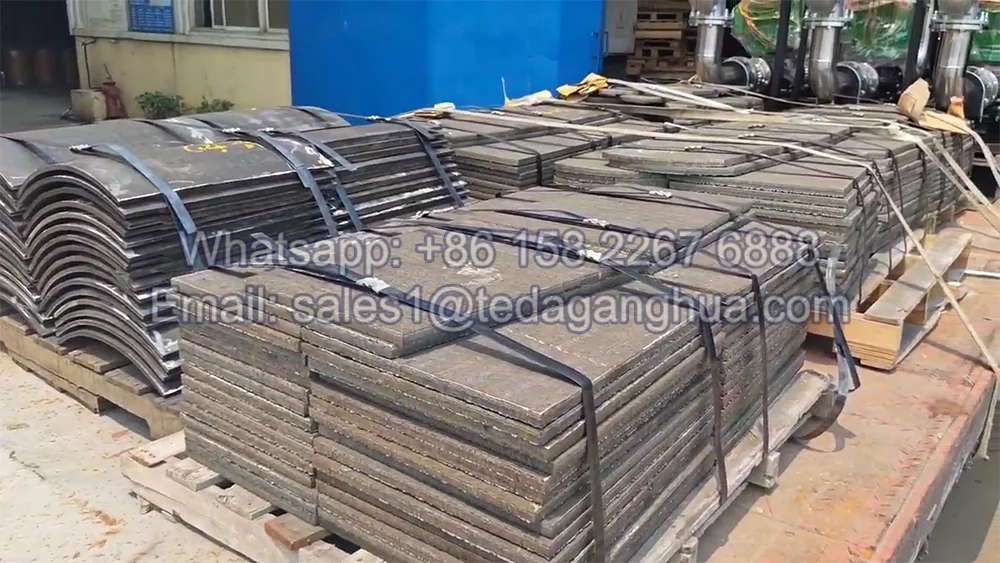
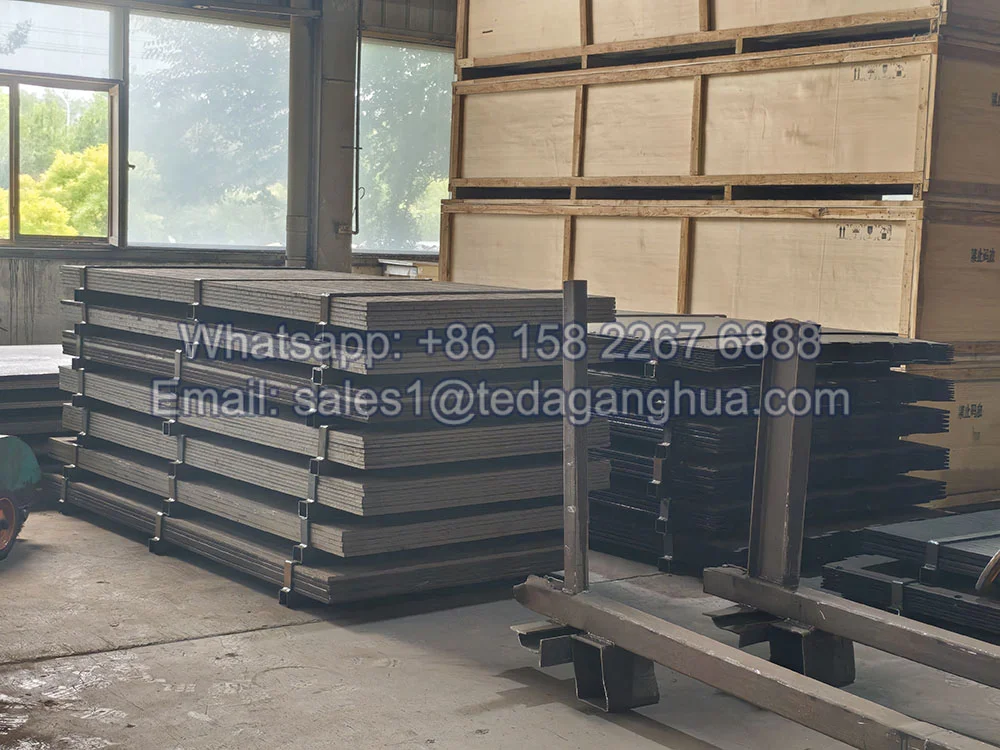
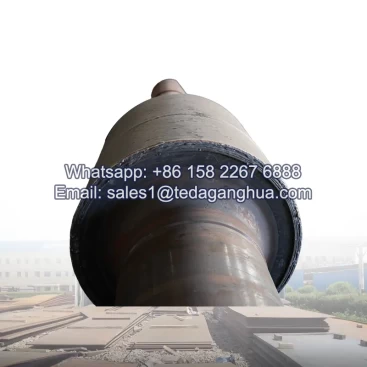
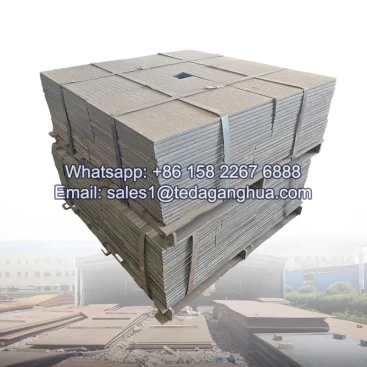
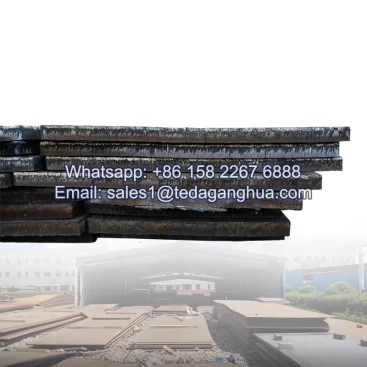
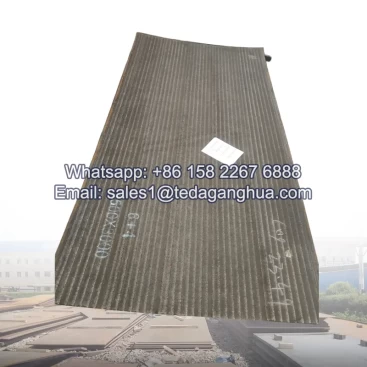
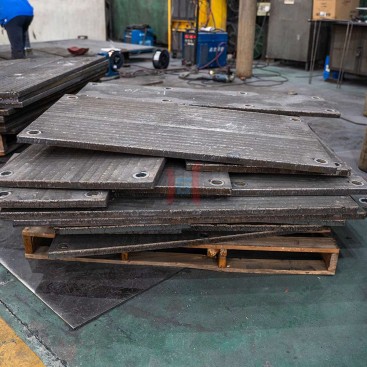
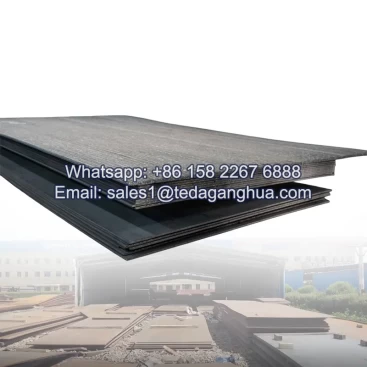
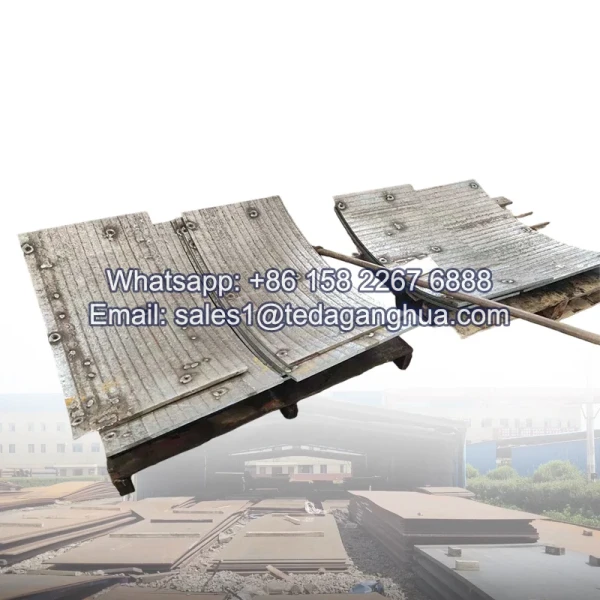
Clad steel plate (also called weld overlay plate or hardfaced wear plate) is a composite material produced by depositing a wear-resistant alloy layer onto a steel base plate. Its performance depends not only on material composition but also on a precise and controlled manufacturing process.
Compared with ordinary steel plate production, clad steel plate requires multiple metallurgical and welding steps to achieve a stable wear-resistant surface.
1. Penyediaan Bahan Mentah
| bahan | Fungsi |
|---|---|
| Plat keluli asas | Provides strength and structural support |
| Welding alloy wire/powder | Forms wear-resistant overlay layer |
| Flux or shielding gas | Protects weld quality during deposition |
2. Surface Cleaning and Pre-Treatment
Sebelum mengimpal, the base plate must be thoroughly cleaned:
- Keluarkan minyak, karat, and surface impurities
- Ensure clean bonding surface
- Improve metallurgical fusion quality
Proper pre-treatment is essential to avoid delamination and defects.
3. Preheating Process
The base plate is often preheated before overlay welding:
- Mengurangkan tekanan haba
- Prevents cracking in hardfacing layer
- Meningkatkan kekuatan ikatan
Preheating temperature depends on steel grade and overlay system.
4. Proses Kimpalan Tindanan
This is the core manufacturing step of clad steel plate.
| Process Type | Ciri-ciri |
|---|---|
| Kimpalan arka terbuka | Common, kos efektif, high deposition rate |
| Kimpalan arka terendam (SAW) | Stable quality, suitable for large plates |
| PIBG (Plasma transferred arc) | Ketepatan tinggi, excellent carbide control |
| Pelapisan laser | High-end process, pencairan rendah, high performance |
The wear-resistant layer is built by multiple welding passes to reach the required thickness.
5. Multi-Layer Deposition Control
- Each layer must be precisely controlled in thickness
- Cooling is required between passes
- Carbide distribution must remain uniform
This step determines final hardness and wear resistance.
6. Cooling and Stress Relief
Selepas mengimpal, controlled cooling is required:
- Prevents thermal deformation
- Reduces internal residual stress
- Improves structural stability
7. Straightening and Finishing
Because welding introduces deformation, finishing processes are required:
- Mechanical straightening
- Surface grinding (jika diperlukan)
- Dimensional correction
8. Pemotongan dan Fabrikasi
Clad steel plates are often processed into final shapes:
- Pemotongan plasma
- Waterjet cutting (preferred for precision)
- Pemotongan laser (thin plates)
Special care is needed due to the high hardness of the overlay layer.
9. Quality Inspection
| Test Item | Tujuan |
|---|---|
| Hardness test | Verify wear resistance level |
| Bonding strength test | Ensure metallurgical fusion quality |
| Thickness measurement | Check overlay uniformity |
| Surface inspection | Detect cracks or defects |
10. Teda Ganghua Clad Steel Plate Manufacturing Capability
Sebagai pembekal keluli tahan haus profesional, Teda Ganghua produces high-quality clad steel plates using controlled welding processes, stable alloy systems, and strict quality inspection standards.
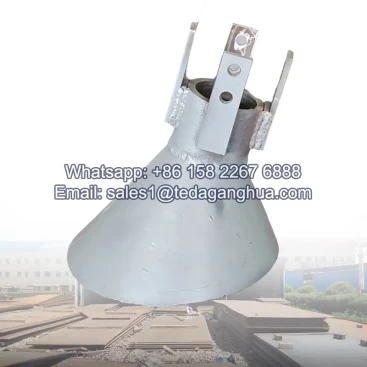
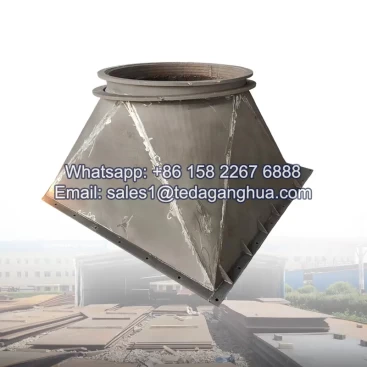
We provide customized wear solutions including cutting, rekaan, and engineered wear protection for mining, simen, keluli, dan industri tenaga.
Terokai produk keluli tahan haus kami di sini:
Plat overlay karbida kromium
Kesimpulan
The manufacturing of clad steel plate involves multiple precise steps including surface preparation, pemanasan awal, multi-layer welding, cooling control, penamat, and inspection. This complex process ensures high hardness, ikatan yang kuat, and long service life in industrial wear applications.