Revestimento de aço Corten
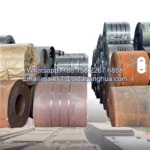
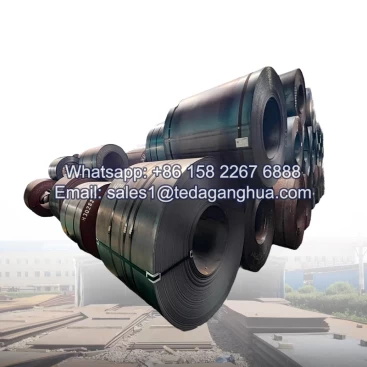
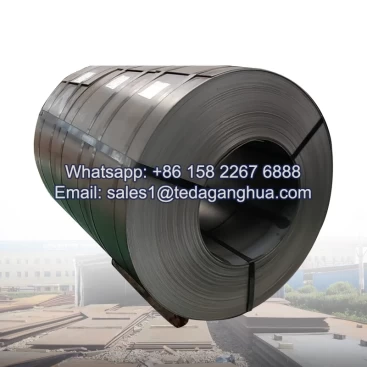
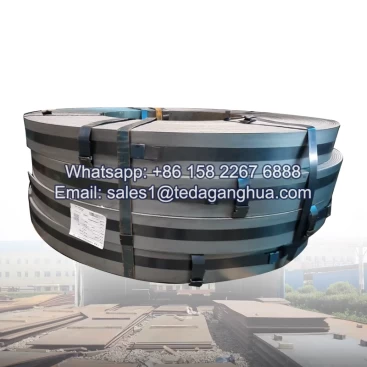
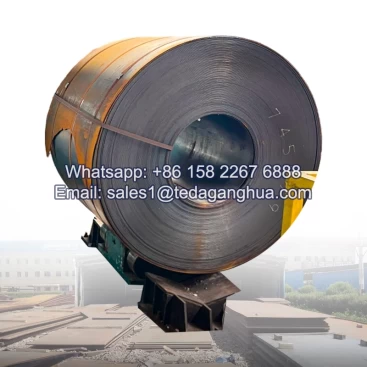
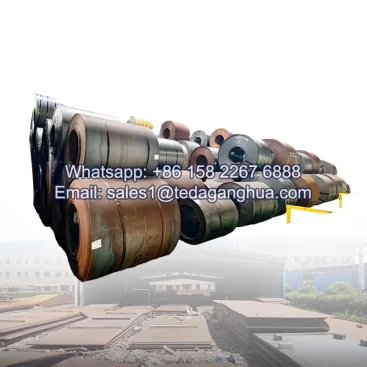
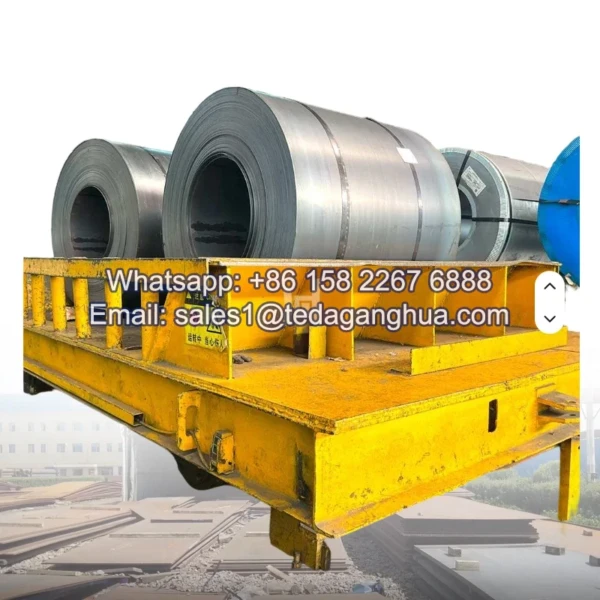
Corten Steel Cladding is made from genuine weathering steel, not a surface coating applied to other materials. While “Corten-style” finishes can be simulated using paint or coating systems, only true weathering steel develops the self-protecting rust patina that defines its long-term performance. For structural and durable architectural applications, authentic Corten steel remains the most reliable solution.
- Descrição
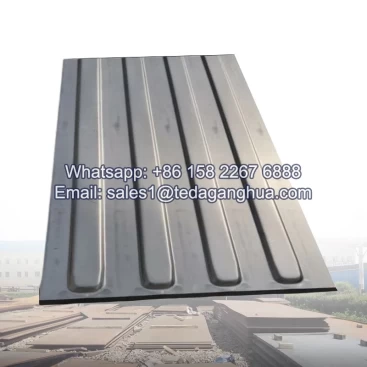
Corten Steel Cladding refers to exterior or interior building panels made from weathering steel, designed to develop a stable protective rust-like patina when exposed to atmospheric conditions. It is widely used in modern architecture due to its durability, baixos requisitos de manutenção, and distinctive aesthetic appearance.
A common question in engineering and architectural projects is whether the “Corten effect” can be achieved as a coating on other materials, or whether it must be produced from true weathering steel.
Is Corten Steel a Coating or a Solid Material?
Corten Steel is not a surface coating system. É um solid low-alloy steel material with a specific chemical composition designed for weathering performance.
The corrosion resistance comes from the steel itself, not from an applied paint or plating layer.
Ponto-chave:
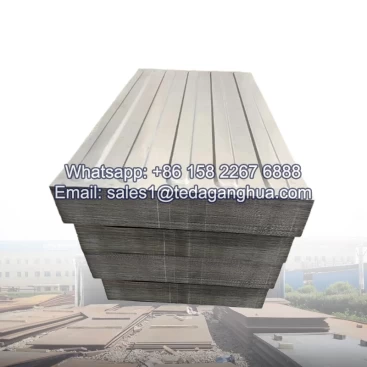
- Corten Steel Cladding is made from full-thickness weathering steel plates or sheets
- The protective layer is formed naturally through atmospheric exposure
- It is not a detachable or transferable coating
Can the “Corten Look” Be Applied to Other Materials?
Na prática, there are two different approaches in the market:
1. Genuine Corten Steel (Aço resistente)
- Made from ASTM A242, ASTM A588, S355J2W, or equivalent grades
- Develops real rust patina over time
- Self-protecting oxide layer
- Long-term structural durability
2. Corten-Effect Coating Systems (Not Real Corten Steel)
These are surface treatments applied to other base materials such as:
- Carbon steel panels
- Aluminum panels
- Fiber cement boards
- Aço inoxidável (rare cases)
Common methods include:
- Powder coating with rust-color finishes
- Oxide-effect paint systems
- Pre-rusted or artificially oxidized coatings
- Laminated decorative surfaces
Important Difference:
| Recurso | True Corten Steel | Coated “Corten Look” Panels |
|---|---|---|
| Tipo de material | Weathering steel alloy | Coated or painted substrate |
| Corrosion Mechanism | Natural patina formation | Artificial surface finish |
| Durabilidade | Long-term structural use | Depends on coating life |
| Manutenção | Muito baixo | May require repainting |
| Surface Behavior | Evolves over time | Fixed appearance |
Performance of Corten Steel Cladding
Excelente resistência às intempéries
The steel develops a dense oxide layer when exposed to alternating wet and dry cycles, reducing further corrosion.
Resistência Estrutural
Corten steel retains the mechanical strength of structural steel, making it suitable for both decorative and load-bearing cladding systems.
Self-Protecting Surface
The rust layer is stable and adherent, preventing flaking and deep corrosion penetration.
Baixa exigência de manutenção
No painting or additional protective coating is required after proper weathering formation.
Application Requirements for Cladding Systems
For architectural use, proper design is important to ensure performance:
- Proper drainage to avoid water accumulation
- Ventilated façade design
- Avoiding continuous wet conditions
- Controlled runoff to prevent staining on adjacent materials
- Correct material grade selection based on environment
Common Applications of Corten Steel Cladding
- Building exterior facades
- Architectural feature walls
- Curtain wall systems
- Commercial and cultural buildings
- Landscape screening panels
- Bridge and infrastructure cladding
- Industrial building envelopes