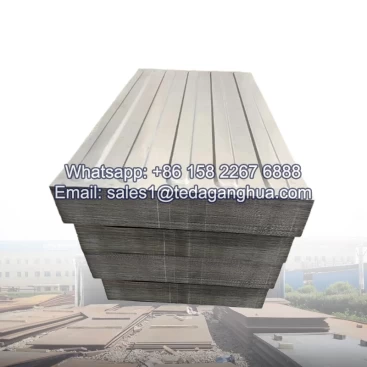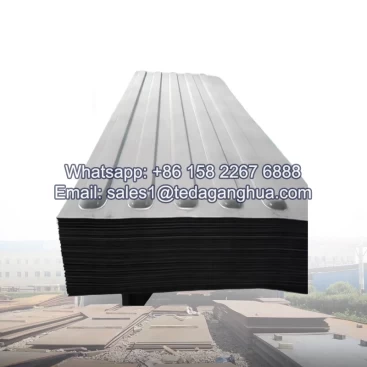

Corten Steel Panel Sizes

Corten steel panel sizes are typically supplied in standard widths such as 1000 milímetros, 1250 milímetros, 1500 milímetros, and lengths ranging from 2000 mm para 6000 milímetros. Thickness usually ranges from 0.8 mm para 6.0 mm depending on application. The most common specifications are 1250 × 2500 milímetros e 1500 × 3000 milímetros, which are widely used in architectural cladding, garden design, e estruturas industriais. Custom sizing is also available to meet specific engineering and design requirements.
- Descrição
Corten steel panels are weathering steel sheets widely used for architectural cladding, telas de jardim, façade systems, recipientes, e estruturas industriais. When selecting corten steel panels, one of the most important factors is the standard sheet size, including thickness, largura, e comprimento.
Because corten steel is processed similarly to carbon steel sheet, its dimensions follow common mill standards, with additional flexibility for custom cutting and fabrication.
Common Corten Steel Sheet Thickness Range
Corten steel panel sizes usually start from thin decorative sheets to medium structural sheets.
| Grossura | Aplicativo |
|---|---|
| 0.8 milímetros | Painéis decorativos, design de interiores |
| 1.0–1,5 mm | Wall cladding, façade decoration |
| 2.0 milímetros | Telas de jardim, light exterior panels |
| 3.0 milímetros | Standard architectural panels |
| 4.0 milímetros | Structural cladding systems |
| 5.0–6,0 mm | Fabricação externa resistente |
The most commonly used range for corten steel panels is 1.5 mm para 3.0 milímetros.
Standard Width of Corten Steel Panels
Corten steel sheets are typically produced in standard mill widths to match rolling equipment and international standards.
| Largura (milímetros) | Descrição |
|---|---|
| 1000 milímetros | Small format sheet, uso decorativo |
| 1219 milímetros (4 pés) | Common export size |
| 1250 milímetros | Standard industrial width |
| 1500 milímetros | Most widely used architectural size |
| 2000 milímetros | Large panel and industrial application |
Entre estes, 1250 milímetros e 1500 milímetros are the most commonly supplied widths for corten steel panels.
Standard Length of Corten Steel Panels
Corten steel panel lengths are usually based on standard sheet or coil cutting sizes.
| Comprimento (milímetros) | Descrição |
|---|---|
| 2000 milímetros | Small architectural panels |
| 2438 milímetros | 8 feet standard export size |
| 2500 milímetros | Common industrial sheet size |
| 3000 milímetros | Most widely used construction size |
| 6000 milímetros | Large structural panels |
Longer sheets reduce welding joints and are preferred for façade and roofing applications.
Common Corten Panel Size Combinations
In real applications, corten steel panels are often supplied in standard combinations:
- 1000 × 2000 milímetros
- 1219 × 2438 milímetros
- 1250 × 2500 milímetros
- 1250 × 3000 milímetros
- 1500 × 3000 milímetros
- 1500 × 6000 milímetros
These sizes can also be cut or customized according to architectural drawings.
Corten Steel Panel Sizes for Different Applications
1. Architectural Cladding Panels
- 1.5–3.0 mm thickness
- 1250 × 2500 milímetros ou 1500 × 3000 milímetros
- Used for building façades and wall systems
2. Garden and Decorative Panels
- 1.0–2.0 mm thickness
- 1000 × 2000 mm or custom laser-cut sizes
- Used for screens, cercas, e paisagismo
3. Industrial and Structural Panels
- 3.0–6.0 mm thickness
- 1500 × 3000 mm or larger sizes
- Used for containers, muros de contenção, and heavy structures
Why Standard Sizes Are Important
Using standard corten steel panel sizes helps to:
- Reduce material waste
- Improve cutting and fabrication efficiency
- Lower transportation cost
- Ensure compatibility with structural systems
- Simplify installation on-site
Custom Cutting Options
In addition to standard sizes, corten steel panels can be customized through:
- Laser cutting for precise dimensions
- CNC cutting for architectural designs
- Shearing for straight edge panels
- Coil-to-sheet processing for special lengths
This flexibility is especially important for architectural and landscape projects.