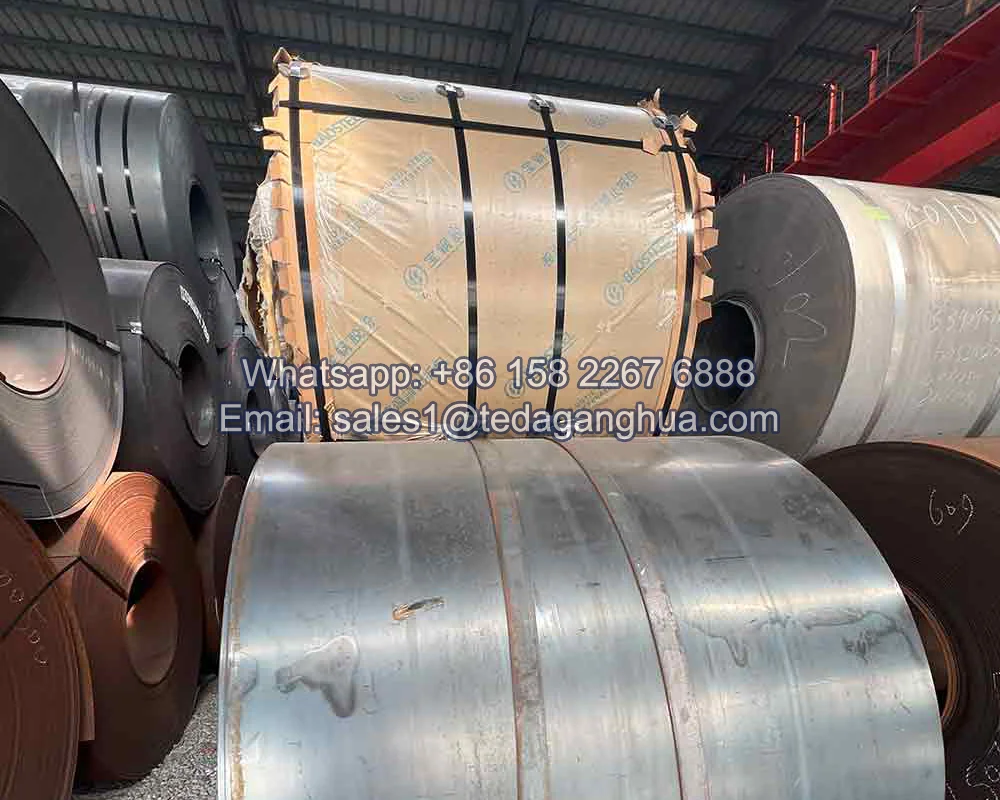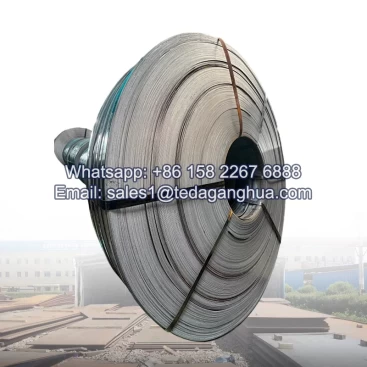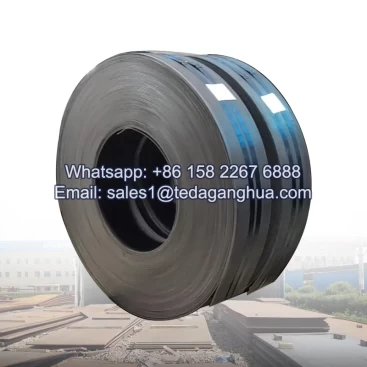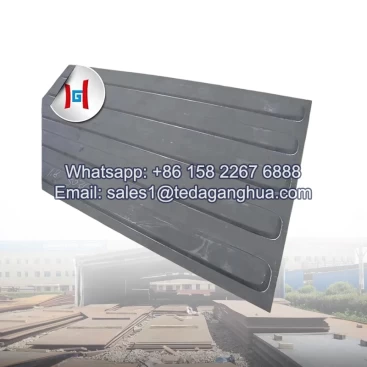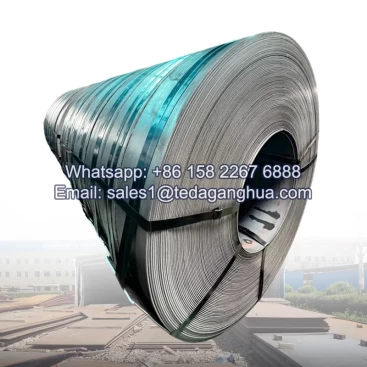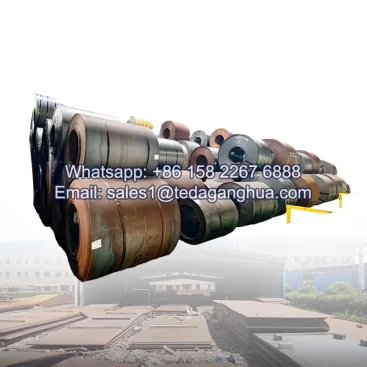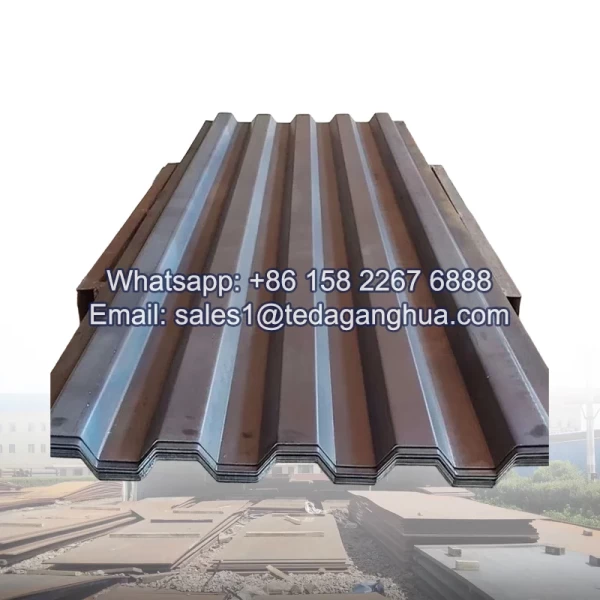
Painéis laterais de aço Corten
Although both container corrugated panels and architectural corten siding panels are made from the same weathering steel, their processing methods are fundamentally different. Container panels focus on deep corrugation forming, high-strength welding, and strict structural standards to withstand heavy loads during transportation. Em contraste, ordinary siding panels prioritize appearance, flexible forming, and easier installation for architectural use. This difference in processing directly reflects their different engineering purposes and application environments.
- Descrição
Painéis laterais de aço Corten are weathering steel sheets used for both shipping containers and architectural cladding systems. Although the base material is the same (aço corten), o processing method for container corrugated panels and ordinary flat siding panels is significantly different due to different structural requirements.
1. Basic Function Difference
Container Corten Panels
- Designed for high structural load
- Deve resistir ao empilhamento, impacto, and transport vibration
- Focus on strength and deformation resistance
Ordinary Corten Siding Panels
- Designed for architectural appearance
- Used for façade, revestimento de parede, and decoration
- Focus on aesthetics and corrosion resistance
2. Forming Process Difference
Container Corrugated Panels (Deep Forming)
Container panels use heavy-duty roll forming or press forming:
- High-strength corrugated profiles
- Deep rib structure for rigidity
- Continuous roll-forming production lines
- Strict dimensional control for assembly
Key feature:
- Corrugation depth is larger
- Structural stiffness is much higher
This ensures the panel can support stacking loads when containers are piled up.
Ordinary Corten Siding Panels (Light Forming)
Architectural siding panels use simpler forming methods:
- Light roll forming or flat sheet processing
- Shallow or decorative corrugation
- Flat panel or micro-profile designs
- Flexible custom patterns (laser cutting possible)
Key feature:
- Focus on appearance rather than load-bearing
- Easier forming with thinner sheets
3. Thickness Requirement Difference
| Tipo | Espessura Típica | Main Purpose |
|---|---|---|
| Painéis de contêiner | 1.6–2,0 mm | Resistência estrutural |
| Structural industrial siding | 2.0–3,0 mm | Load + façade |
| Painéis de revestimento arquitetônico | 0.8–1,5 mm | Decorative use |
Container panels are generally thicker or reinforced compared with decorative siding panels.
4. Welding and Assembly Difference
Painéis de contêiner
- Fully welded to steel frame structure
- High-strength continuous weld seams
- Reinforced corner and edge connections
- Designed for long-term mechanical stress
Assembly is highly standardized for global shipping requirements.
Siding Panels
- May use hidden fasteners or exposed screws
- Sometimes no welding required
- Installed on light steel or aluminum sub-frames
- Focus on easy installation and replacement
5. Surface Treatment Difference
Painéis de contêiner
- Geralmente mill finish corten steel
- Natural weathering during service life
- No decorative requirement
Siding Panels
- May use:
- Pre-rusted finish
- Controlled oxidation
- Decorative surface treatment
Architectural projects require consistent color and appearance, so surface control is more important.
6. Quality Control Standards Difference
Painéis de contêiner
Require strict industrial standards:
- Dimensional tolerance control
- Load-bearing strength testing
- Impact resistance verification
- Welding quality inspection
Because they are used in logistics and transportation systems.
Siding Panels
Focus on:
- Surface flatness
- Visual uniformity
- Pattern precision (if perforated or decorative)
- Installation compatibility
Structural load testing is less critical.
7. Application Difference Summary
| Categoria | Container Corten Panels | Architectural Siding Panels |
|---|---|---|
| Main use | Contêineres de transporte | Building façades |
| Strength requirement | Muito alto | Médio |
| Processing type | Heavy roll forming | Light forming / corte |
| Surface requirement | Funcional | Decorativo |
| Método de instalação | Welded structure | Fixadores / quadros |