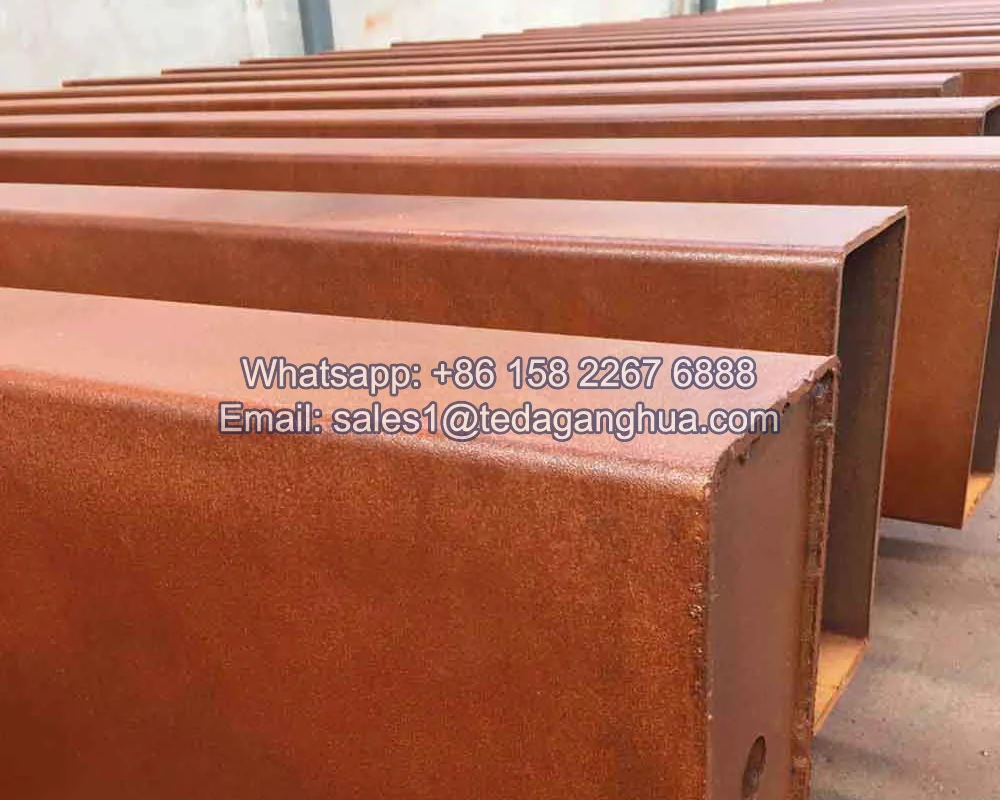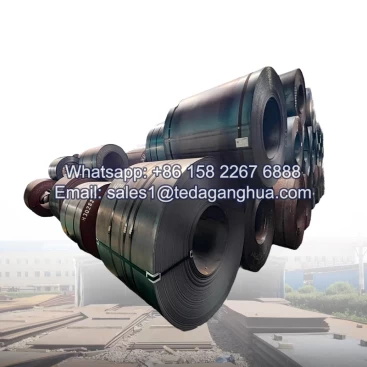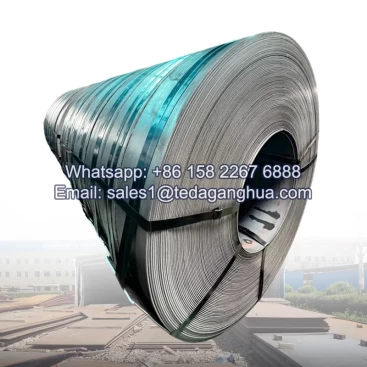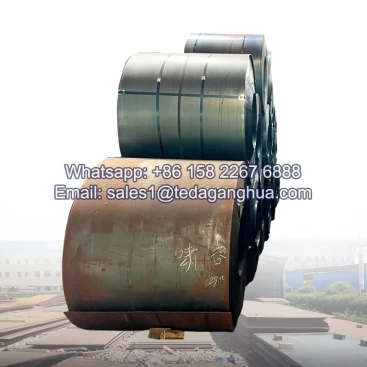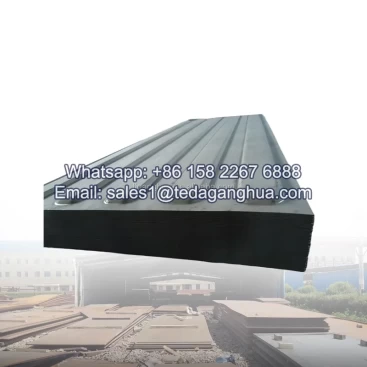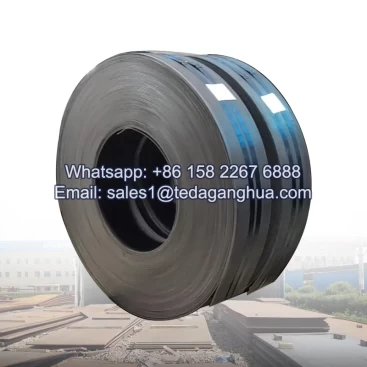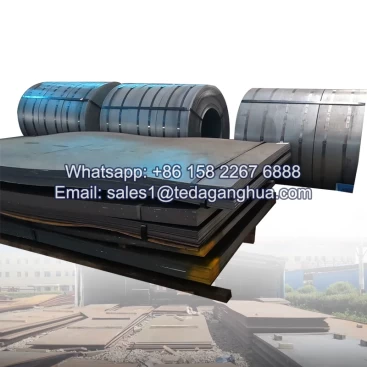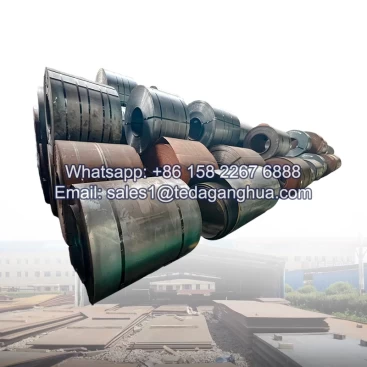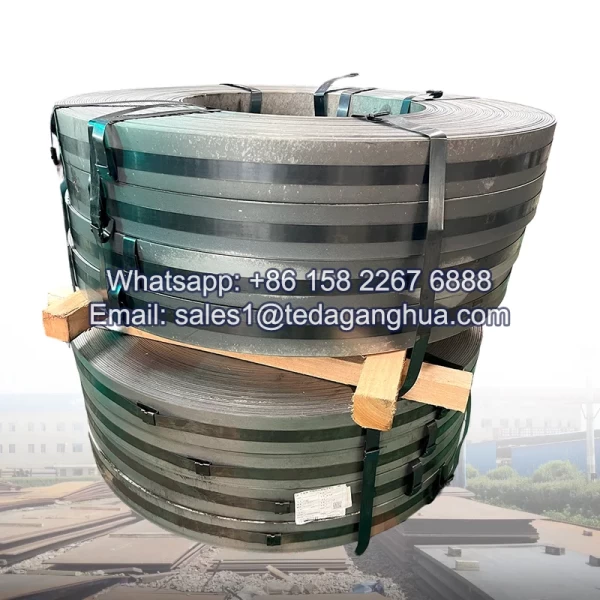
Corten enferrujado

The red rust process of Corten steel is a controlled oxidation mechanism driven by its alloy composition. Ao contrário do aço comum, the rust layer evolves into a dense, protective patina that:
- Prevents further corrosion
- Reduz os requisitos de manutenção
- Provides a unique and durable aesthetic
- Descrição
Rusty Corten refers to weathering steel that has developed (or been treated to develop) a stable reddish-brown rust layer on its surface. Unlike ordinary steel rust, this layer is not destructive. Em vez de, it acts as a protective barrier that slows down further corrosion.
The unique appearance and durability of Corten steel come directly from the controlled oxidation process.
Core Principle of the Corten Rust Process
The rusting mechanism of Corten steel is based on controlled atmospheric oxidation.
1. Initial Oxidation Stage
Quando exposto à umidade e oxigênio, the steel surface begins to oxidize:
- Ferro (Fé) reacts with oxygen (O₂) and water (H₂O)
- A loose, porous rust layer forms initially
- This stage looks similar to ordinary steel rust
Reaction (simplified):
Fé + O₂ + H₂O → Fe₂O₃·nH₂O (ferrugem)
2. Alloy Element Activation
O aço Corten contém elementos de liga como:
- Cobre (Cu)
- Cromo (Cr)
- Níquel (Em)
- Fósforo (P)
These elements begin to influence the rust structure:
- They refine the grain of the oxide layer
- They reduce rust porosity
- They slow down further oxidation
3. Formação de Pátina Protetora
Ao longo do tempo, the rust layer transforms into a dense and stable structure:
- The outer layer becomes compact and adherent
- Oxygen and moisture penetration is significantly reduced
- Corrosion rate decreases dramatically
This layer is called the pátina, which distinguishes Corten steel from ordinary carbon steel.
Diferença Chave: Corten Rust vs Ordinary Steel Rust
| Recurso | Ferrugem do Aço Corten | Carbon Steel Rust |
|---|---|---|
| Estrutura | Dense and stable | рыхous and flaky |
| Adesão | Strongly bonded | Peels and flakes off |
| Comportamento de corrosão | Slows over time | Accelerates over time |
| Manutenção | Mínimo | Requires coating |
Visão principal:
Corten steel rust is self-limiting, while carbon steel rust is self-destructive.
Environmental Conditions for Rust Formation
The quality of the patina depends heavily on exposure conditions:
Ideal Conditions
- Alternating wet and dry cycles
- Outdoor exposure to atmosphere
- Moderate humidity
Poor Conditions
- Constant moisture or water immersion
- Marine environments with high salt content
- Areas with heavy industrial pollution
In unsuitable environments, the protective layer may not stabilize properly.
Artificial Rusting (Accelerated Rust Process)
In many architectural and landscaping projects, the rust effect is accelerated using surface treatment techniques.
Common Methods
- Chemical spraying (acid or salt-based solutions)
- Controlled wet-dry cycling
- Surface pre-treatment (sandblasting or pickling)
Propósito
- Achieve uniform rust color quickly
- Reduce waiting time from months to days or weeks
- Enhance aesthetic consistency
Color Evolution of Rusty Corten
The appearance of Corten steel changes over time:
- Fresh steel – metallic gray
- Early stage – light orange rust
- Middle stage – reddish-brown
- Mature patina – dark brown / deep rust tone
This evolving surface is highly valued in modern architecture and landscape design.
Applications of Rusty Corten Steel
The rusting process is not only functional but also decorative, tornando-o popular em:
- Fachadas arquitetônicas
- Garden planters and edging
- Esculturas ao ar livre
- Bridges and structural components