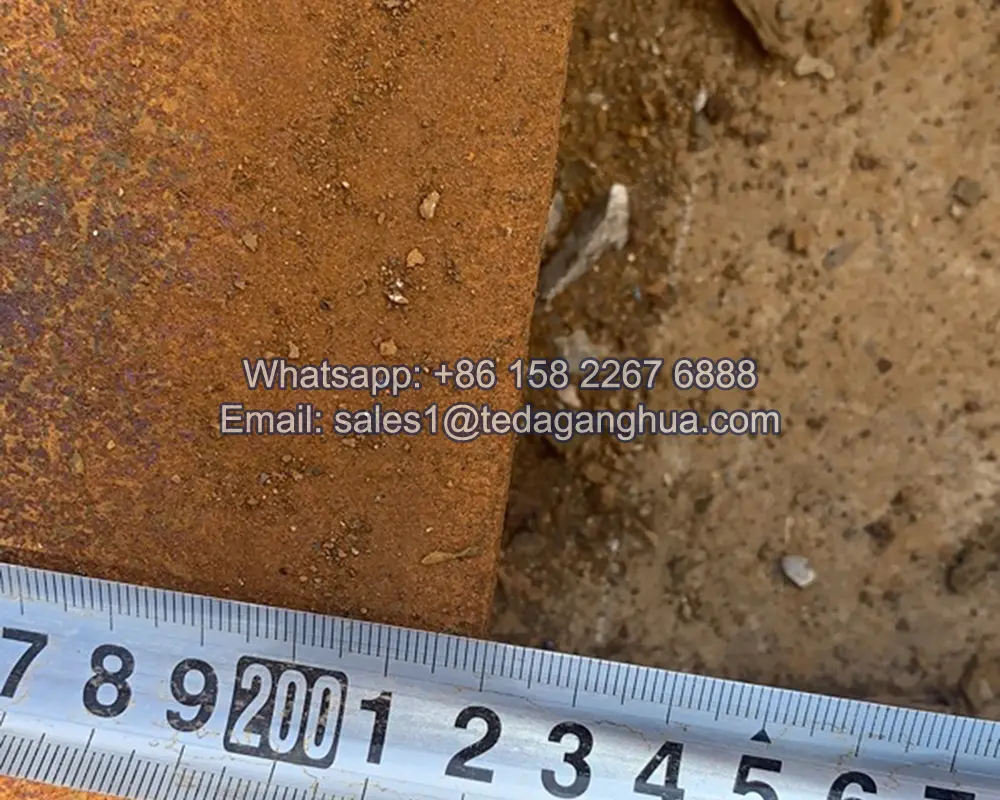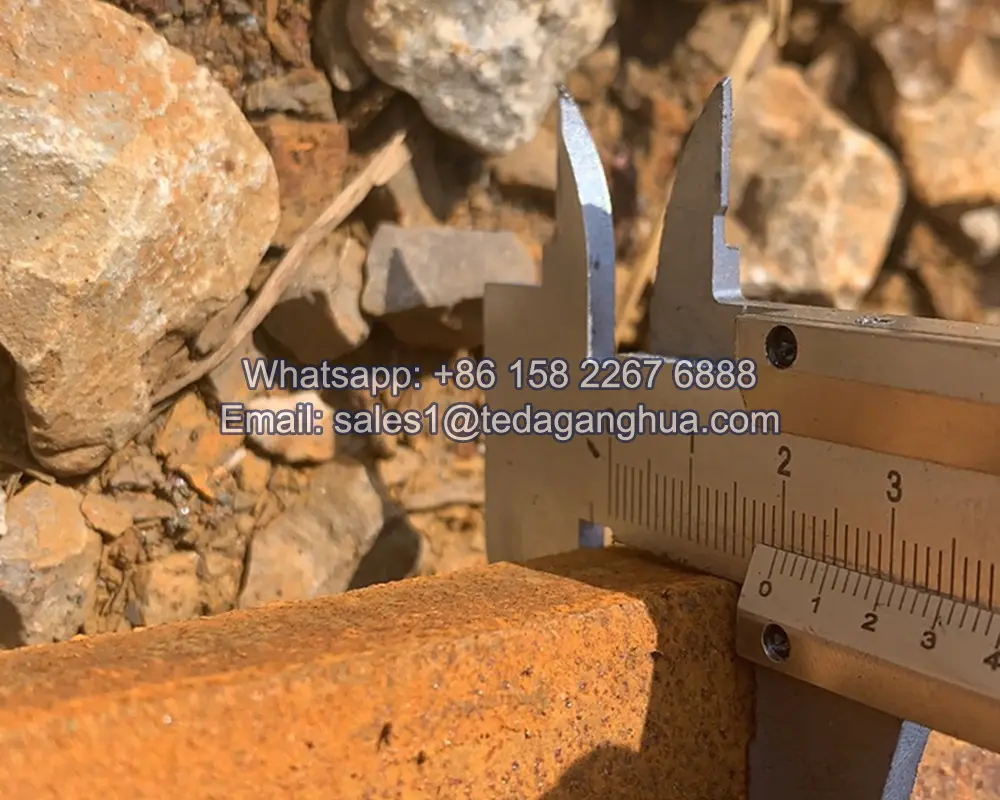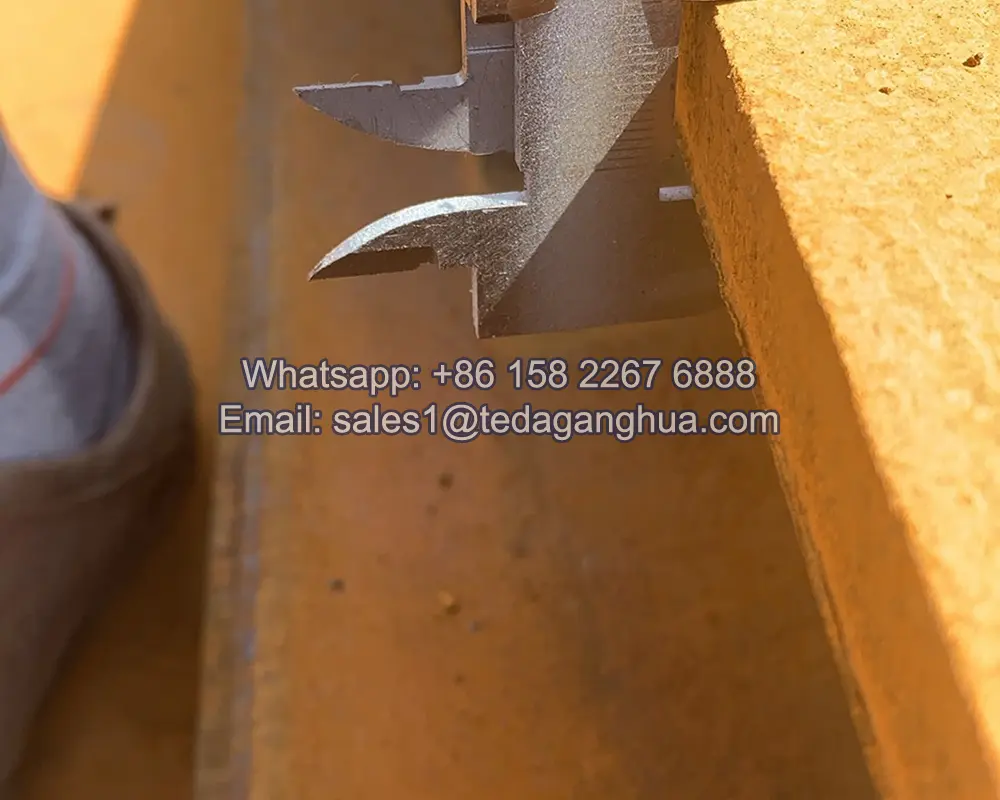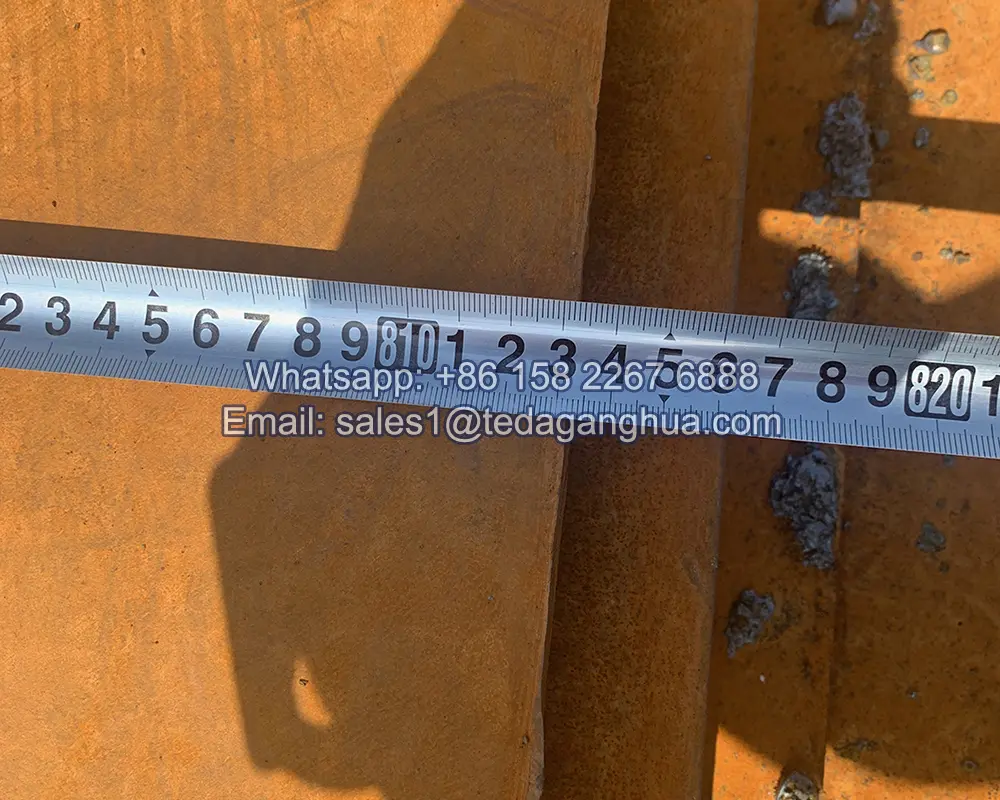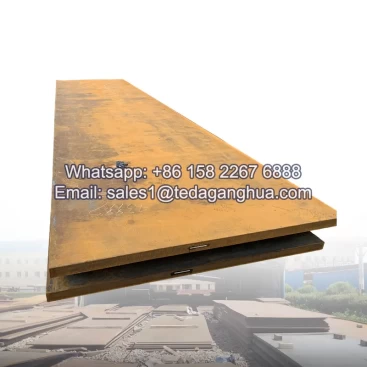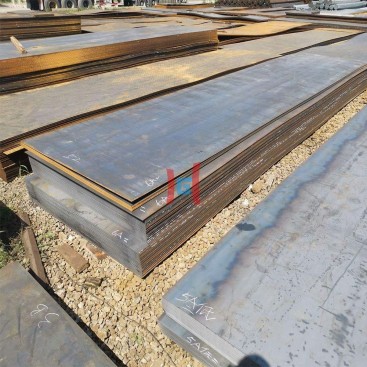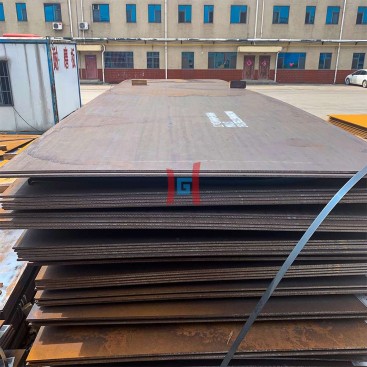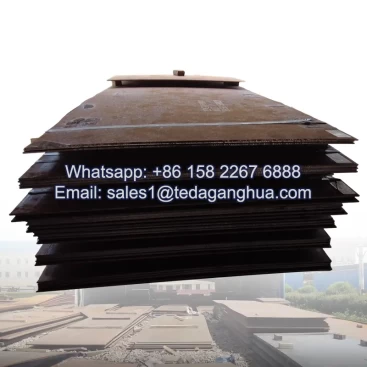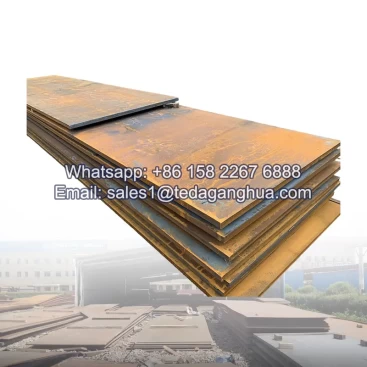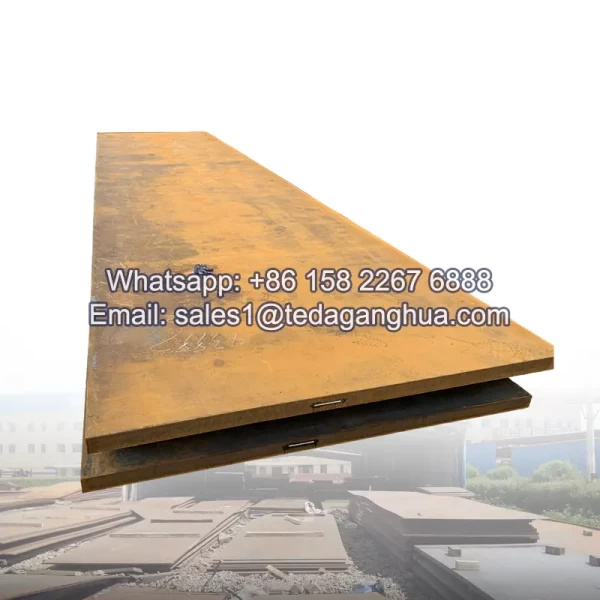
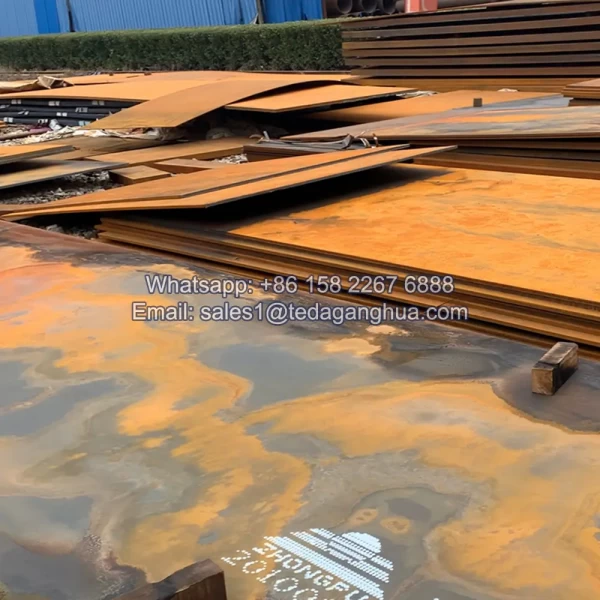
Износостойкая стальная пластина
Носите тарелку стали is an essential material for protecting industrial equipment exposed to severe abrasion and impact. By combining hardness, сила, и прочность, it ensures longer service life and higher reliability for mining, строительство, обработка материалов, and heavy manufacturing applications.
Selecting the proper grade, ensuring correct fabrication, and following regular maintenance practices are key to achieving optimal performance and cost efficiency.
- Описание
Носите тарелку стали refers to a type of steel designed to resist abrasion, влияние, and wear under harsh working conditions. Compared with ordinary structural steel, wear plates feature higher hardness, сила, and durability achieved through alloying elements and special heat treatments.
These plates are used as protective layers or liners in machinery and equipment exposed to constant friction or heavy impact, preventing structural damage to the base material and extending service life.
Состав и свойства
Состав материала
Wear plate steel is typically produced using alloyed steel containing elements such as carbon, хром, марганец, молибден, and vanadium. These improve hardness and wear resistance.
Some types are clad or composite wear plates, made by overlaying a hard alloy layer (например, карбид хрома) on a mild steel base plate to combine hardness with weldability and impact strength.
Hardness and Performance
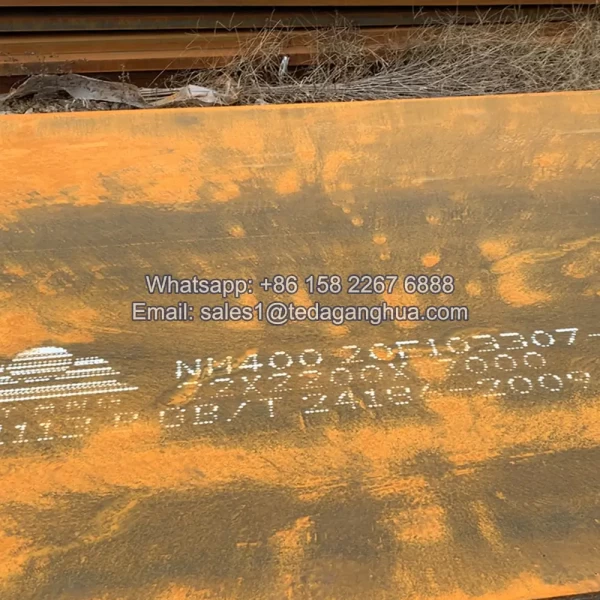
Hardness is the key performance indicator for wear plates. Common designations such as АР400, АР450, АР500 refer to different hardness levels measured in Brinell Hardness Numbers (Бенн).
Higher hardness means better resistance to sliding abrasion, but it may reduce toughness and weldability. Поэтому, the balance between hardness and ductility must be carefully selected based on the application.
Typical Dimensions
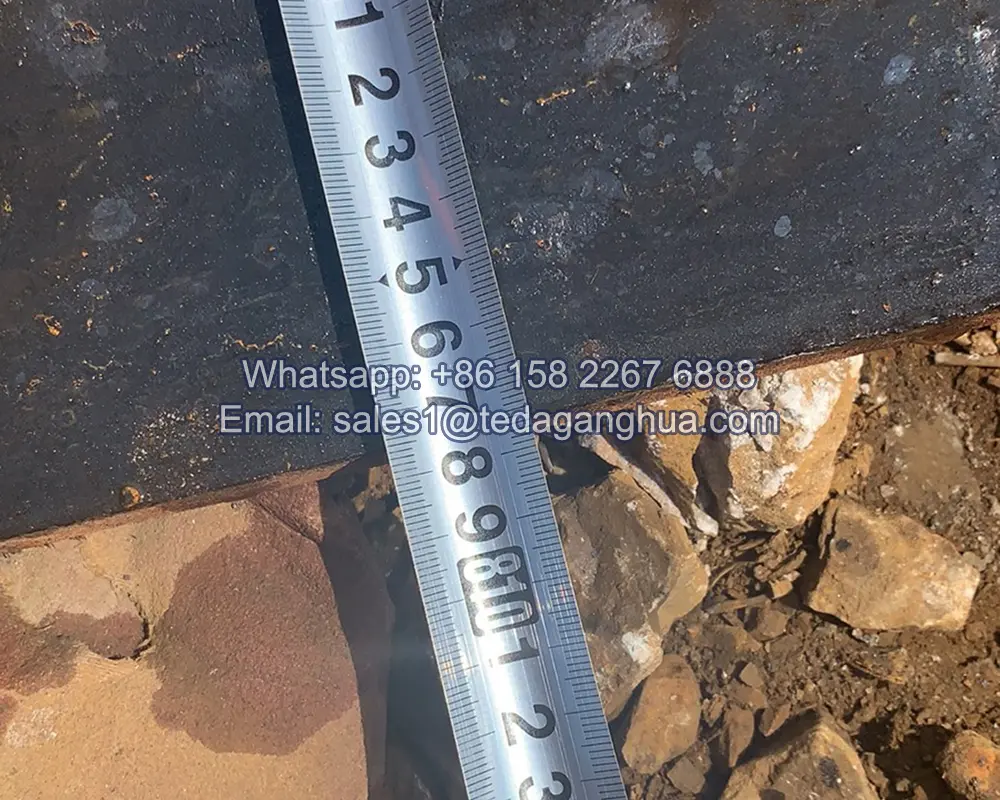
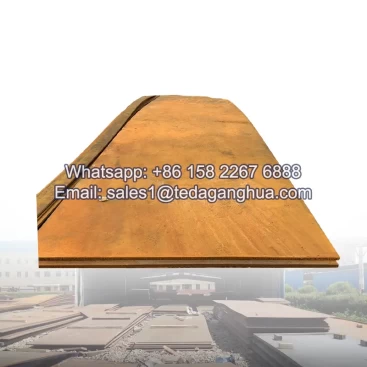
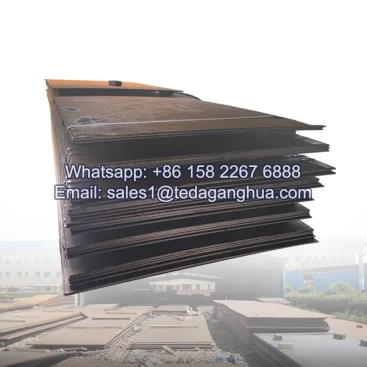
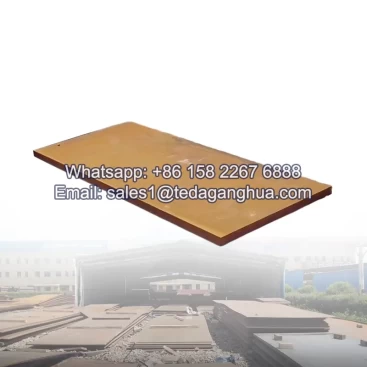
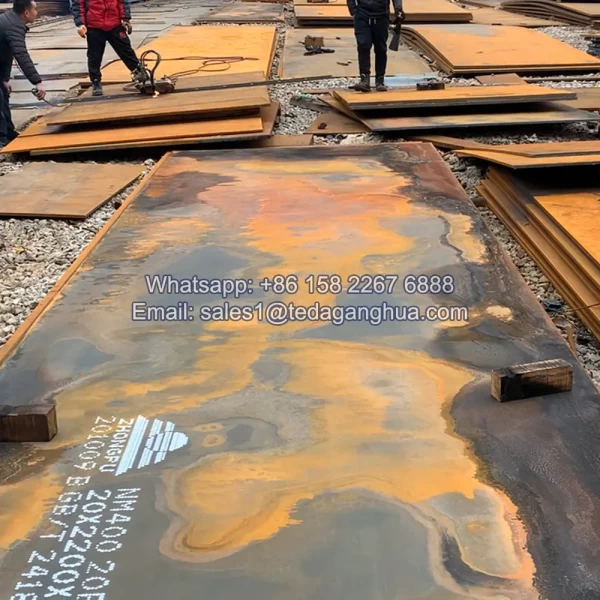
Wear plates are available in a wide range of thicknesses—from a few millimeters up to several tens of millimeters. They can be supplied as flat sheets, cut-to-size liners, or fabricated components ready for installation.
Main Applications of Wear Plate Steel
Wear plate steel is used in industries that face high abrasion and material flow. Общие приложения включают в себя:
-
Горное дело и разработки карьеров: Вкладыши дробилки, ситовые пластины, бункеры, водопад, and dump truck bodies.
-
Construction and Earthmoving: Бульдозерные отвалы, Ковры экскаватора, loader bucket bottoms, and wear strips.
-
Material Handling and Conveying Systems: Bins, кормушки, conveyor chutes, transfer points, и вкладыши.
-
Цемент, Сталь, and Recycling Plants: Components exposed to high wear, such as mixers, mills, and separators.
Using wear plate steel greatly reduces equipment downtime, maintenance frequency, and overall operational costs by protecting critical components from early wear.
How to Select the Right Wear Plate Steel
1. Type of Wear
Identify the dominant wear mechanism:
-
Скользящее истирание: requires higher hardness materials such as AR450–AR500.
-
Ударное истирание: needs a balanced grade with both hardness and toughness.
2. Уровень твердости
-
АР400: suitable for moderate abrasion and good machinability.
-
AR450–AR500: ideal for heavy wear environments where impact is also expected.
3. Fabrication and Welding
Higher hardness grades are more difficult to cut, сгибать, or weld. Preheating and controlled welding procedures are recommended to prevent cracking or distortion.
4. Cost–Performance Balance
While high-hardness plates cost more initially, their long service life reduces replacement frequency and downtime, resulting in lower total cost of ownership.
5. Environmental Conditions
In high-temperature, коррозионный, or cyclic environments, specialized wear-resistant steels with added heat or corrosion resistance should be selected.
Installation and Maintenance Tips
-
Ensure proper fit and secure installation to avoid stress concentration.
-
Regularly inspect wear liners in areas of direct material impact or sliding contact. Replace when wear depth exceeds design limits.
-
Design replaceable liners with bolted or modular connections to simplify maintenance.
-
In welding operations, apply preheating and post-heat treatment as required by the steel grade.
-
For extreme wear or high-impact conditions, consider composite wear plates or chromium-carbide overlays.