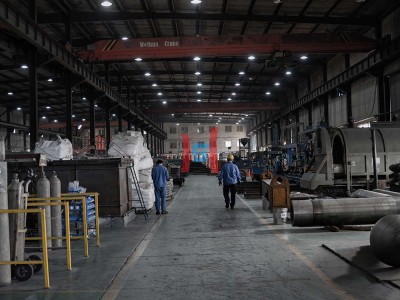
Износостойкая сталь против стали с высоким содержанием марганца: Какой материал лучше подходит для тяжелых условий эксплуатации?
Износостойкая сталь и сталь с высоким содержанием марганца. [Mn13 Сталь с высоким содержанием марганца (Хэдфилд Стил): Механизм упрочнения работы, Износостойкость & Промышленное применение] are both widely used in severe wear environments, but their performance differs significantly under different working conditions. Many buyers assume hardness is the only factor in wear resistance, yet actual service life often depends on the balance between abrasion resistance and impact resistance. В тяжелой промышленности, такой как горнодобывающая, цемент, карьер, и перевалка сыпучих материалов, selecting the right material can significantly reduce downtime and maintenance costs.
Understanding the Two Materials
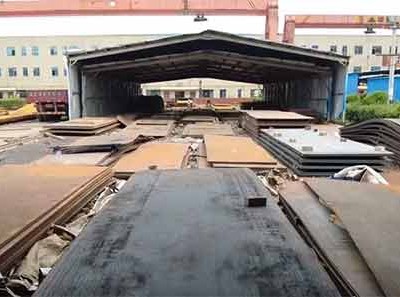
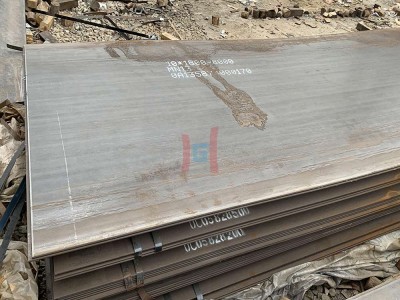
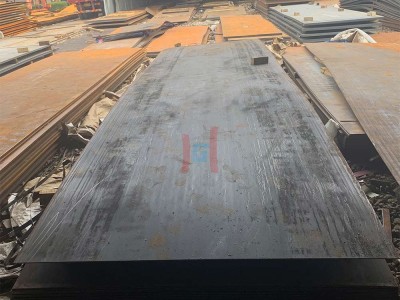
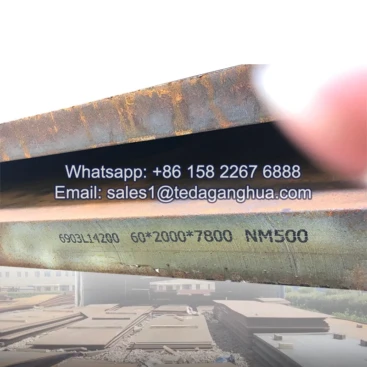
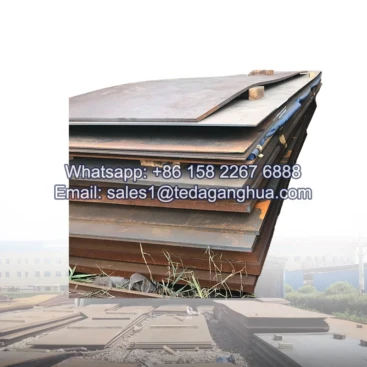
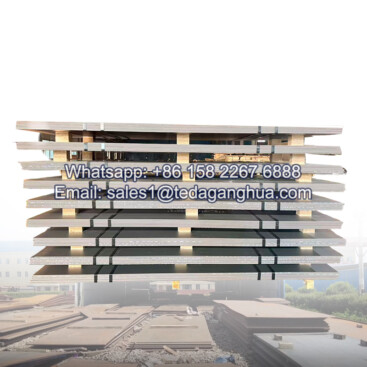
Износостойкая сталь [NM400 против NM450 против NM500 Износостойкая сталь: Уровни твердости, Сравнение производительности & Промышленное применение] is engineered primarily for high hardness and strong resistance against sliding abrasion, cutting wear, and surface erosion. Typical grades are designed to maintain stable hardness throughout service life, making them ideal for applications dominated by friction and abrasive wear.
Высокая марганцевая сталь, commonly represented by Mn13, works on a completely different principle. Instead of relying only on initial hardness, it uses exceptional toughness and work hardening ability to resist wear under impact-heavy environments. [Резка стали с высоким содержанием марганца: Почему не рекомендуется кислородно-ацетиленовая газовая резка]
Core Mechanism: Hardness vs Work Hardening
The wear resistance mechanism of wear-resistant steel is straightforward: high initial hardness resists cutting and scratching from abrasive particles. This makes it highly effective in low-impact, high-friction environments.
High manganese steel follows the principle of “becoming stronger under impact.” Under repeated impact loading, the surface rapidly work-hardens while the inner core remains tough. This creates a hardened outer layer combined with a ductile core.
Without sufficient impact force, high manganese steel cannot fully activate its work-hardening behavior, and its wear resistance may perform below expectations.
| Свойство | Износостойкая сталь | Высокая марганцевая сталь |
|---|---|---|
| Core Strength | Высокая твердость | Высокая прочность |
| Механизм износа | Устойчивость к истиранию | Упрочнение |
| Ударопрочность | Умеренный | Отличный |
| Best Use Case | Скользящее истирание | Тяжелый удар |
Application Matrix: Which Material Wins?
Scenario A: High Impact + Large Material Size
Applications such as primary crusher liners, hammer crushers, железнодорожные переезды, and mining jaw plates involve extreme impact loads. В этих средах, high manganese steel is typically the superior choice because it can absorb impact while hardening during operation.
🏆 Winner: Высокая марганцевая сталь
Scenario B: Low Impact + High Sliding Abrasion
Applications such as chutes, бункеры, truck dump bodies, cement silos, and conveyor liners are dominated by friction and abrasive wear rather than impact.
[Износостойкая сталь NM500 для облицовки желоба цемента: 3× Более длительный срок службы]
High surface hardness provides better protection against constant abrasion.
🏆 Winner: Износостойкая сталь
Scenario C: Mixed Working Conditions
When both impact and abrasion exist, material selection becomes more complex. Engineers must balance hardness, прочность, and lifecycle cost to determine the optimal solution.
In some cases, layered wear solutions or hybrid designs may provide the best performance. [Накладная пластина из стали с высоким содержанием марганца и карбида хрома для режущих кромок грейфера для лома]
Fabrication and Maintenance Considerations
Material selection also affects fabrication efficiency and maintenance strategy.
Wear-resistant steel often requires controlled cutting procedures and preheating before welding, especially for thicker plates. Improper welding may introduce cracking risk. [Методы установки износостойкой пластины: Сравнение болтового соединения и пробковой сварки]
High manganese steel requires careful thermal control during welding because prolonged high-temperature exposure can reduce its work-hardening properties and toughness.
From a maintenance perspective, total cost of ownership matters more than material price alone. Frequent replacement leads to higher labor costs, production downtime, and operational losses.
Decision Matrix for Material Selection
| Impact Intensity | Abrasive Hardness | Рекомендуемый материал |
|---|---|---|
| Низкий | Высокий | Износостойкая сталь |
| Высокий | Low-Medium | Высокая марганцевая сталь |
| Высокий | Высокий | Case-by-case engineering analysis |
Commercial Value for Industrial Buyers
For distributors, OEM manufacturers, and industrial project contractors, choosing the correct wear material improves equipment uptime and reduces long-term maintenance costs. Selecting the wrong material often results in premature failure, higher replacement frequency, and significant production losses.
Reliable sourcing of high-quality износостойкая сталь and industrial wear materials ensures stable quality and consistent performance across demanding applications.
If working conditions are uncertain, professional wear analysis and engineering consultation can significantly improve material selection accuracy and reduce operational risk.
Часто задаваемые вопросы
Is harder steel always better for wear resistance?
Нет. Hardness improves abrasion resistance, but impact resistance and toughness are equally important in many applications.
Why does high manganese steel perform poorly in low-impact environments?
Because it depends on impact-induced work hardening to achieve optimal wear resistance. [Почему моя облицовочная пластина из высокомарганцовистой стали деформируется?? Причины, Диагностика &усилитель; Альтернативы НМ400]
Which material is better for crusher liners? [Вторичный вкладыш дробилки: Почему высокомарганцевая сталь заменяет износостойкую сталь на золотых рудниках]
High manganese steel is usually preferred because of its excellent impact resistance and work-hardening capability.
Which material is better for chutes and hoppers?
Wear-resistant steel is typically more effective in high-abrasion, low-impact conditions.
How should industrial buyers choose between the two?
Material selection should be based on impact intensity, abrasive hardness, and total ownership cost rather than purchase price alone. [Калькулятор стоимости износостойкой стали: Первоначальная стоимость покупки по сравнению с долгосрочной экономией на обслуживании]