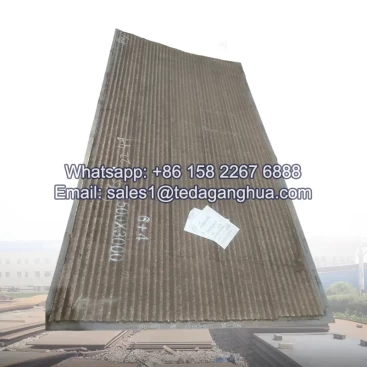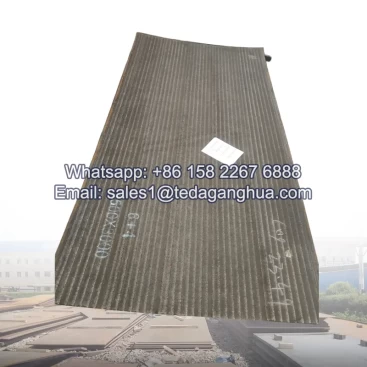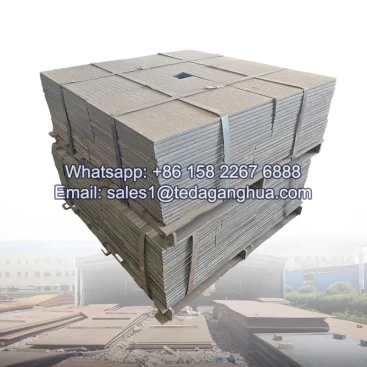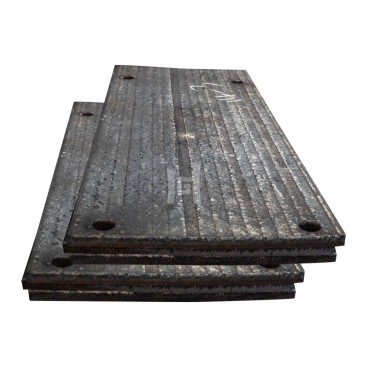
- คำอธิบาย
Bimetallic Cladding Wear Plate: Explosion Bonded vs Weld Overlay vs Hot Roll Bonded — Three Technologies Compared
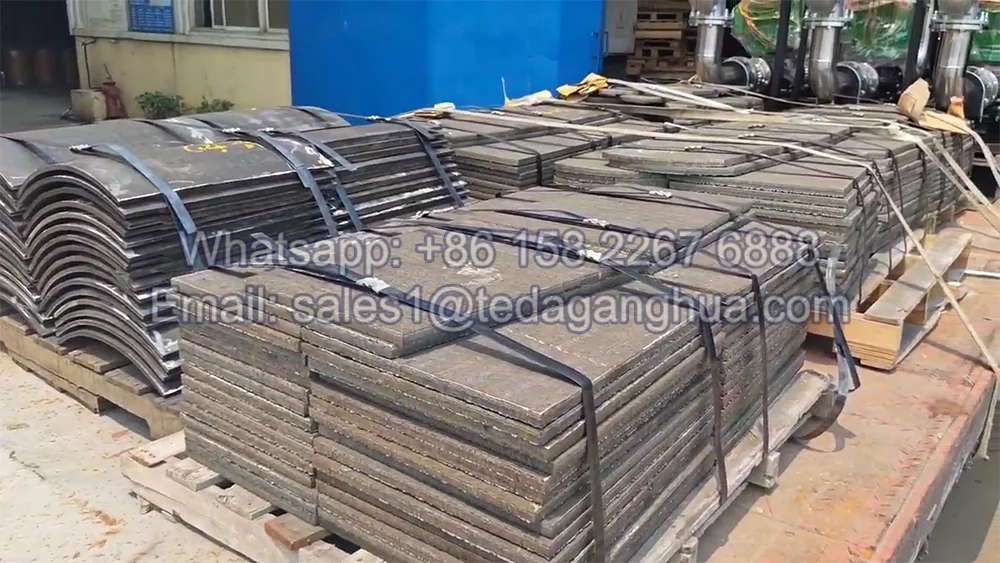
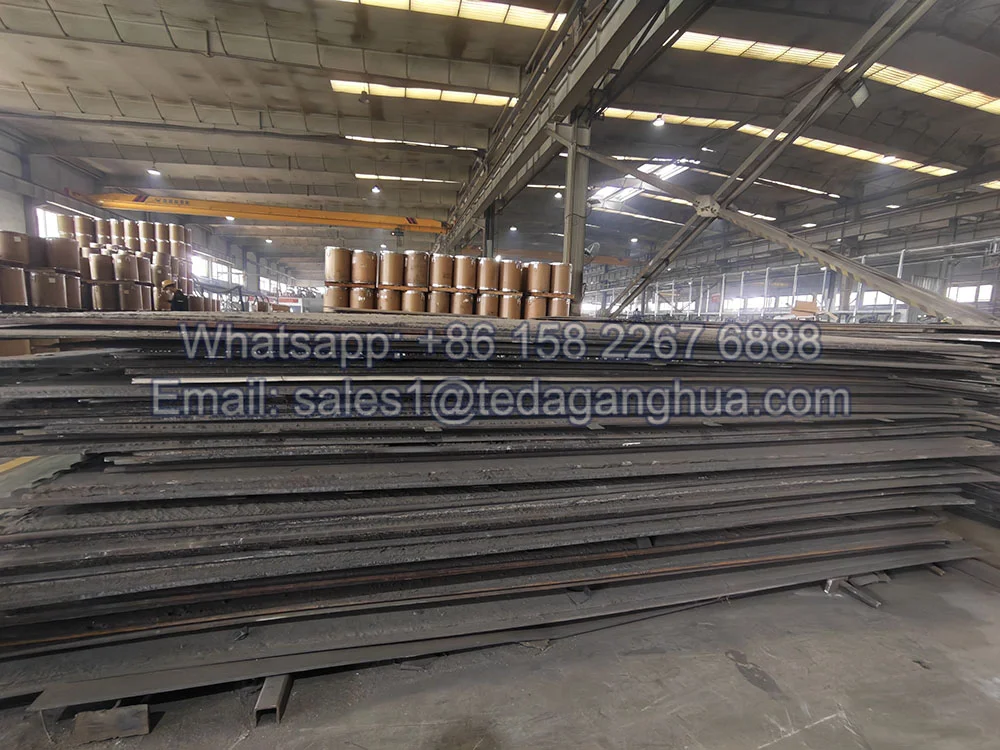
Bimetallic cladding wear plate combines the toughness of a structural steel base layer with the extreme wear resistance of a hard alloy surface layer. By using different bonding technologies, manufacturers can create wear solutions for applications ranging from mining equipment and cement plants to pressure vessels and heavy industrial machinery.
The three major production technologies are พันธะระเบิด, weld overlay cladding, และ hot roll bonding. Each method has its own advantages in bonding strength, thickness flexibility, production efficiency, และช่วงการใช้งาน.
1. Explosion Bonded Wear Plate: Maximum Bond Strength for Large Heavy Plates
Explosion bonding uses controlled explosive energy to create an extremely high-speed collision between two metal surfaces. The impact generates a metallurgical bond without melting the base materials.
The interface forms a wave-shaped bonding structure, providing excellent shear strength and resistance against delamination.
| พารามิเตอร์ | Explosion Bonded Plate |
|---|---|
| วิธีการติด | High-speed impact metallurgical bonding |
| ความแข็งแกร่งของพันธบัตร | สูงมาก, โดยทั่วไปแล้วจะอยู่เหนือ 200 MPa depending on materials |
| ความหนาซ้อนทับ | Wide thickness range, suitable for thick cladding layers |
| Production Efficiency | Batch production, slower than continuous processes |
| ระดับต้นทุน | สูง |
| การใช้งานหลัก | จานใหญ่, pressure equipment, corrosion-resistant cladding |
Explosion bonding is preferred when maximum bonding reliability is required, especially for large-area heavy plates where separation risk must be minimized.
2. Weld Overlay Wear Plate: Flexible Solution for Customized Wear Protection
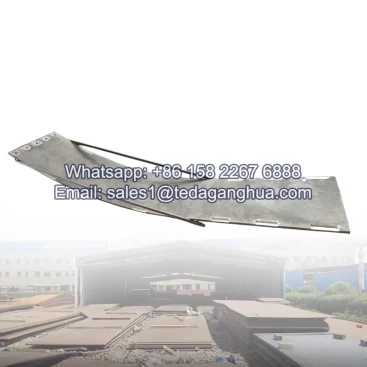
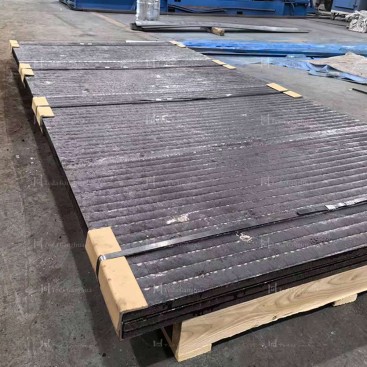
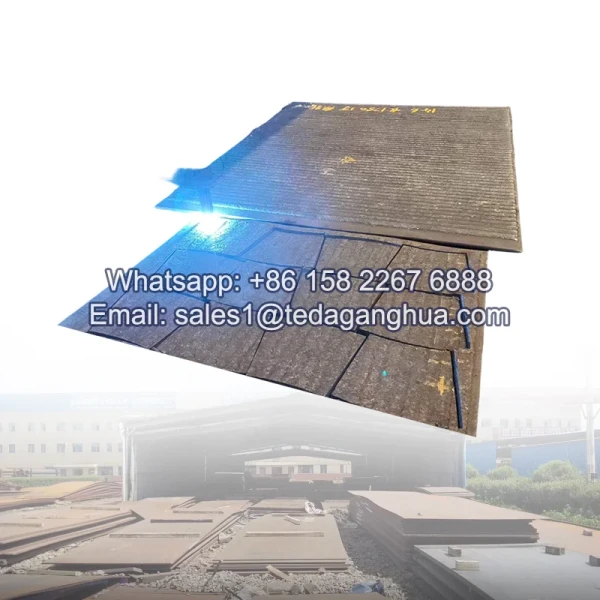
Weld overlay cladding creates a wear-resistant surface by depositing alloy material onto a steel substrate through welding processes such as SAW, เปิดส่วนโค้ง, ปตท, or laser cladding.
Unlike explosion bonding, weld overlay technology allows manufacturers to customize alloy composition, ความหนาของการซ้อนทับ, and surface pattern according to different wear conditions.
| พารามิเตอร์ | แผ่นเชื่อมซ้อนทับ |
|---|---|
| วิธีการติด | Fusion metallurgical bonding |
| ความแข็งแกร่งของพันธบัตร | High metallurgical bonding strength |
| ความหนาซ้อนทับ | Highly flexible, commonly customized for different wear levels |
| Production Efficiency | ปานกลาง, suitable for customized production |
| ระดับต้นทุน | ปานกลาง |
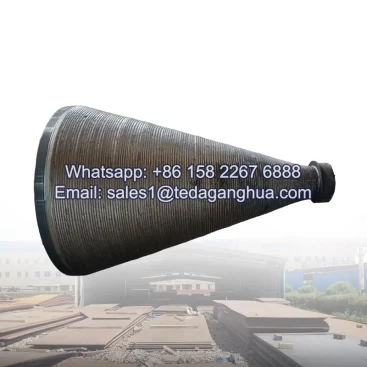
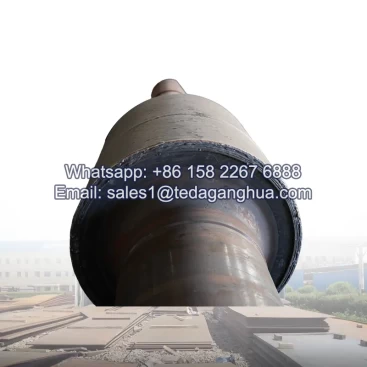
| การใช้งานหลัก | การทำเหมืองสมุทร, รางปูนซีเมนต์, เครื่องบด, กรวย, irregular components |
Weld overlay is widely used because it provides the best combination of customization, การควบคุมต้นทุน, และประสิทธิภาพการสวมใส่.
3. Hot Roll Bonded Wear Plate: Cost-Efficient Solution for Standard Production
Hot roll bonding uses heat and rolling pressure to join different metal layers during continuous manufacturing. The process is highly efficient and suitable for standardized products.
Because production can be continuous, hot roll bonded plates usually offer lower manufacturing costs compared with explosion bonded and weld overlay solutions.
| พารามิเตอร์ | Hot Roll Bonded Plate |
|---|---|
| วิธีการติด | Heat + rolling pressure metallurgical bonding |
| ความแข็งแกร่งของพันธบัตร | Stable for standard applications |
| ความหนาซ้อนทับ | Usually limited compared with weld overlay |
| Production Efficiency | High continuous production efficiency |
| ระดับต้นทุน | ต่ำ |
| การใช้งานหลัก | Standard wear sheets, mass production components |
4. Three Bimetallic Cladding Technologies Comparison Matrix
| Technology | ความแข็งแกร่งของพันธบัตร | Thickness Flexibility | Production Efficiency | ค่าใช้จ่าย | Best Application |
|---|---|---|---|---|---|
| Explosion Bonded | ★★★★★ | ★★★★★ | ★★★ | สูง | Large heavy plates requiring maximum bonding reliability |
| การเชื่อมซ้อนทับ | ★★★★ | ★★★★★ | ★★★★ | ปานกลาง | Customized wear protection and complex components |
| Hot Roll Bonded | ★★★★ | ★★★ | ★★★★★ | ต่ำ | Standard size products and large-volume production |
5. How to Choose the Right Cladding Technology
The correct technology depends on operating conditions, required wear resistance, production quantity, and budget.
- Choose explosion bonded plate: when maximum bonding strength and large-area heavy plates are required.
- Choose weld overlay plate: when customized thickness, alloy selection, and complex shapes are important.
- Choose hot roll bonded plate: when standard specifications and cost efficiency are the priority.
6. Teda Ganghua Weld Overlay Wear Plate Solutions
Teda Ganghua specializes in advanced weld overlay wear plate solutions designed for severe industrial abrasion environments.
Our chromium carbide overlay plates provide:
- High hardness wear-resistant surface layers
- พันธะทางโลหะวิทยาที่แข็งแกร่งกับเหล็กฐาน
- Customized overlay thickness options
- Stable carbide distribution for long service life
- Fabrication capability for different industrial components
สำหรับการทำเหมืองแร่, ปูนซีเมนต์, เหล็ก, การผลิตกระแสไฟฟ้า, และอุตสาหกรรมการขนถ่ายวัสดุเทกอง, Teda Ganghua helps customers select the most suitable wear protection technology based on actual wear mechanisms instead of choosing only by material price.
Learn more:
Chromium Carbide Overlay Plate Solutions
บทสรุป
พันธะระเบิด, การเชื่อมซ้อนทับ, and hot roll bonding each have unique advantages. Explosion bonding delivers the highest bonding reliability, hot roll bonding provides the lowest production cost, and weld overlay offers the greatest flexibility for customized wear protection.
For most mining and industrial abrasion applications, weld overlay wear plate provides the best balance between performance, การปรับแต่ง, and total lifecycle cost.