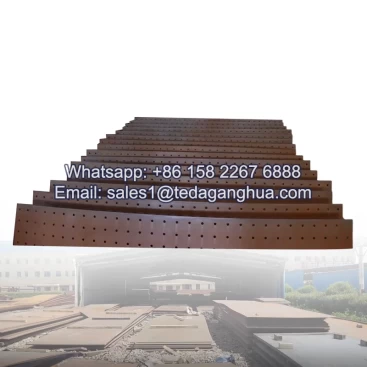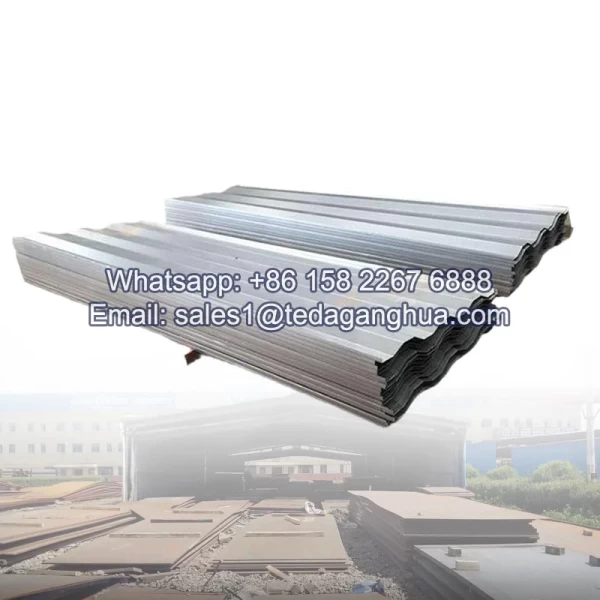
ผนังโลหะลูกฟูก Corten
In corten corrugated metal siding systems, แผงด้านข้าง, แผงหลังคา, and bottom panels are all made from weathering steel but serve different structural roles. Side panels focus on enclosure and stability, roof panels prioritize weather protection and lightweight design, while bottom panels provide maximum load-bearing strength. By adjusting thickness and corrugation design, corten steel can effectively meet the different performance requirements of each structural component.
- คำอธิบาย
Corten corrugated metal siding refers to weathering steel corrugated sheets used in container systems, อาคารโมดูลาร์, และโครงสร้างอุตสาหกรรม. In applications such as shipping containers or container-style architecture, corten steel is commonly divided into แผงด้านข้าง, แผงหลังคา, and bottom structures, each designed for different load conditions and environmental exposure.
Although all parts are made from corten steel, ของพวกเขา ความหนา, profile strength, and functional requirements are not the same.
1. แผงด้านข้าง (Side Corrugated Corten Steel Sheets)
Side panels are the most visible parts of a container or building structure.
คุณสมบัติหลัก
- Medium-strength corrugated profile
- Balanced between strength and appearance
- Designed for vertical load distribution
- Moderate thickness compared to bottom structure
ความหนาทั่วไป
- 1.6 มม. – 2.0 มม (ตู้คอนเทนเนอร์)
- 1.5 มม. – 3.0 มม (architectural use)
Main Functions
- Provide structural enclosure
- Resist lateral wind pressure
- Support stacking load transfer
- Serve as external protective shell
Key Characteristics
Side panels focus on overall structural stability and corrosion resistance, while also maintaining a uniform exterior appearance.
2. แผงหลังคา (Top Corrugated Corten Steel Sheets)
Roof panels are exposed to the most direct environmental conditions.
คุณสมบัติหลัก
- Usually thinner than side and bottom panels
- Designed for drainage and weather resistance
- Corrugation optimized for rain runoff
- Light to medium structural strength
ความหนาทั่วไป
- 1.2 มม. – 1.6 มม (ตู้คอนเทนเนอร์)
- 0.8 มม. – 1.5 มม (architectural roofing)
Main Functions
- Protect internal structure from rain and sunlight
- Provide water drainage via corrugation design
- Resist wind uplift forces
- Maintain lightweight structure
Key Characteristics
Roof panels prioritize weather resistance and weight reduction, rather than heavy load bearing.
3. Bottom Panels / โครงสร้างพื้น (Heavy-Duty Base Steel)
The bottom section is the most critical load-bearing area in container systems.
คุณสมบัติหลัก
- Thickest corten steel section
- Often reinforced with structural beams
- Designed for high impact and load resistance
- May be combined with wooden or composite flooring
ความหนาทั่วไป
- 2.0 มม. – 3.0 มม (steel base sheet)
- Additional structural support beams underneath
Main Functions
- Support total cargo or structural weight
- Resist forklift impact and mechanical stress
- Provide long-term structural integrity
- Connect with chassis or foundation systems
Key Characteristics
Bottom panels require the highest strength and durability, as they carry all static and dynamic loads.
Comparison Summary Table
| ส่วนประกอบ | Function Priority | ช่วงความหนา | Main Stress Type |
|---|---|---|---|
| แผงด้านข้าง | Structural enclosure | 1.6–2.0 มม | Wind + stacking load |
| แผงหลังคา | การป้องกันสภาพอากาศ | 0.8–1.6 มม | Rain + wind uplift |
| Bottom Panels | Load bearing base | 2.0–3.0 mm+ | Heavy mechanical load |
Key Differences in Design Purpose
1. Load Distribution
- Bottom panels carry maximum structural load
- Side panels distribute lateral forces
- Roof panels handle การสัมผัสกับสิ่งแวดล้อม
2. Thickness and Strength Design
Each section uses different thickness to balance:
- Weight efficiency
- Structural safety
- ค่าวัสดุ
3. Corrosion Exposure Conditions
- แผงหลังคา: highest exposure to rain and UV
- Side panels: moderate exposure
- Bottom panels: lower direct exposure but higher mechanical stress
Why Corten Steel Is Suitable for All Three Parts
Corten steel is ideal for corrugated siding systems because:
- It forms a protective rust layer outdoors
- It has high mechanical strength
- It performs well under alternating wet/dry conditions
- It reduces long-term maintenance needs
This allows the same material system to be used across side, roof, and bottom structures with different thickness designs.