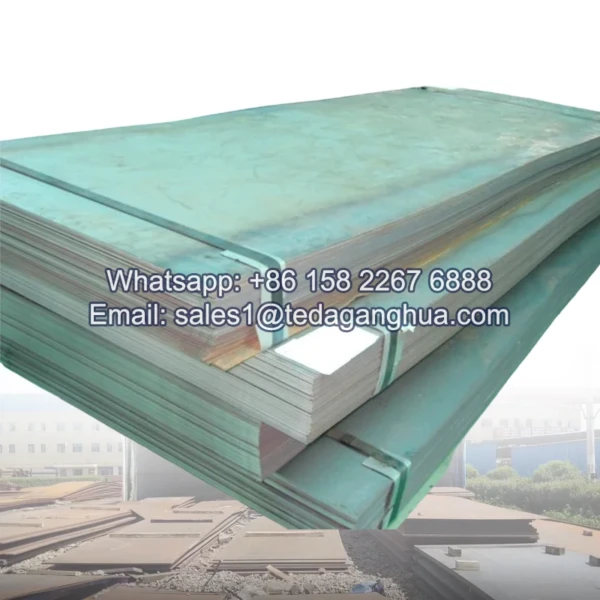
แผงเหล็กขึ้นสนิม Corten
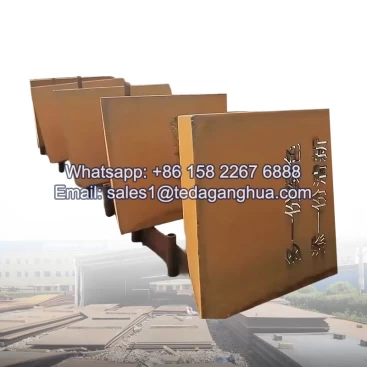
Corten rusted steel panels transform from a dark black or grey surface into a warm orange-brown rust color through natural atmospheric weathering. This process involves controlled oxidation, where the steel reacts with oxygen and moisture to form a stable protective rust layer.
เมื่อเวลาผ่านไป, the color becomes more uniform and stable, resulting in the signature architectural appearance that makes Corten steel widely used in modern landscape and building design.
- คำอธิบาย
Corten rusted steel panels are made from weathering steel (เหล็กคอร์เทน), designed to naturally develop a protective rust layer when exposed to outdoor environments. แตกต่างจากเหล็กกล้าคาร์บอนทั่วไป, Corten steel does not continuously corrode; แทน, it forms a stable oxide layer that protects the inner material.
One of its most distinctive features is the color transformation process, where the steel gradually changes from a dark black or grey surface into a rich orange-brown rust finish.
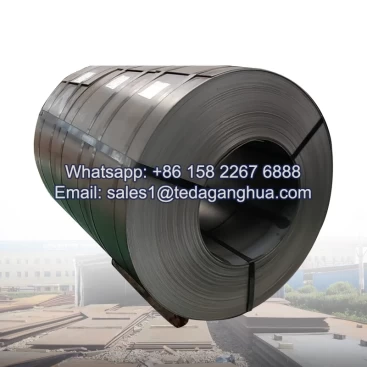
Why Corten Steel Starts as Black or Dark Grey
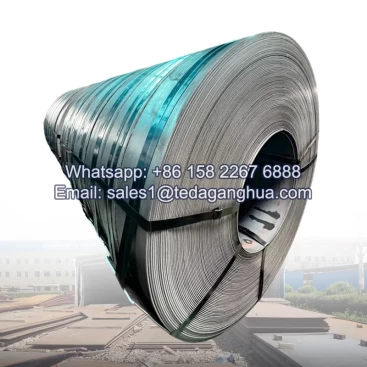
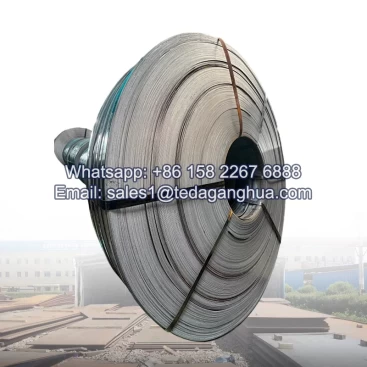
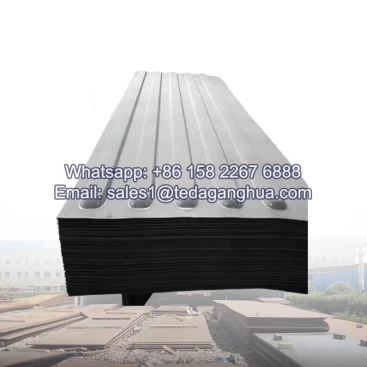
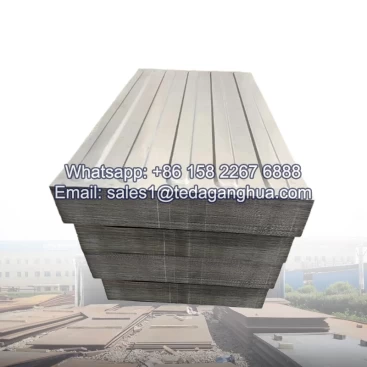
When Corten steel panels are newly produced, the surface typically appears:
- Dark grey
- Bluish-black (mill scale surface)
- Slightly oily or matte industrial finish
This is because:
- The steel comes from hot rolling or cold rolling processes
- A thin oxide “mill scale” layer remains on the surface
- No weathering reaction has occurred yet
ในขั้นตอนนี้, the steel looks like ordinary carbon steel.
เวที 1: การสัมผัสครั้งแรก (Black → Light Rust Spots)
After installation outdoors, the steel begins reacting with:
- Oxygen in the air
- ความชื้น (ฝน, ความชื้น, น้ำค้าง)
- Environmental pollutants
What Happens:
- Small rust spots appear on the surface
- Color starts shifting from black to brown
- Oxidation begins unevenly
This stage is often called the activation stage.
เวที 2: Active Rusting (Brown → Orange Color Development)
As exposure continues, oxidation accelerates.
Surface Changes:
- Rust spreads across the panel
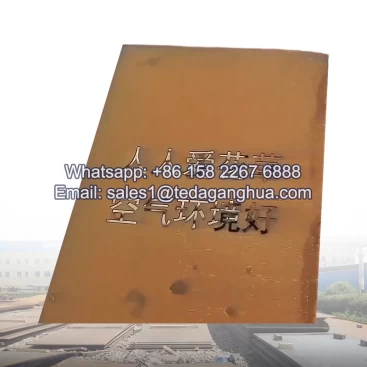
- Color becomes orange-brown
- Surface texture becomes rougher
- Water runoff may show rust staining
This is the most dynamic stage, where color changes rapidly.
The steel is forming iron oxide layers such as:
- เฟ₂O₃ (hematite)
- เฟ₃O₄ (magnetite)
เวที 3: เสถียรภาพ (Orange Rust → Dark Stable Patina)
หลังจากวนซ้ำหลายรอบแล้ว:
- เปียก (ฝน, ความชื้น)
- การอบแห้ง (sun and air exposure)
A stable protective layer forms.
Final Appearance:
- Deep orange-brown color
- Dark reddish rust tone
- More uniform surface texture
- Less active corrosion
This is the ชั้นคราบป้องกัน that defines Corten steel.
Why the Rust Layer Stops Growing
แตกต่างจากเหล็กธรรมดา, เหล็กกล้า Corten มีองค์ประกอบผสมเช่น:
- ทองแดง (ลูกบาศ์ก)
- โครเมียม (Cr)
- นิกเกิล (ใน)
These elements help create a หนาแน่น, ชั้นออกไซด์ของสารยึดเกาะ ที่:
- Blocks oxygen penetration
- Reduces moisture contact
- Slows further corrosion
- Stabilizes surface appearance
This is why the rust becomes “protective” instead of destructive.
Color Development Timeline (ทั่วไป)
| Time | รูปร่าง |
|---|---|
| 0–1 week | Dark grey / black steel |
| 1–4 สัปดาห์ | Light brown rust spots |
| 1–3 เดือน | Orange-brown full coverage |
| 3–6 เดือน | Stable rust patina |
| 6+ months | Mature dark rust appearance |
Actual time depends on:
- ภูมิอากาศ (ความชื้น, ปริมาณน้ำฝน)
- Air pollution level
- Temperature changes
- Surface treatment conditions
Why Corten Steel Color Is Popular in Architecture
The black-to-orange transformation is highly valued because:
- It creates a natural, organic aesthetic
- No painting is required
- Each panel develops a unique texture
- It blends well with landscapes and modern architecture
- The color becomes richer over time
Architects often prefer this “living material” effect.
Important Installation Note
During early rusting stages:
- Rust runoff may occur
- Surrounding surfaces may be stained
- Proper drainage design is required
This is a normal part of the weathering process.