การหุ้มผนัง Corten
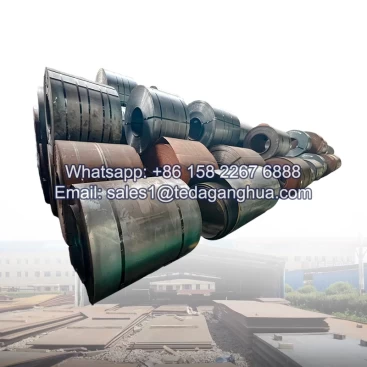
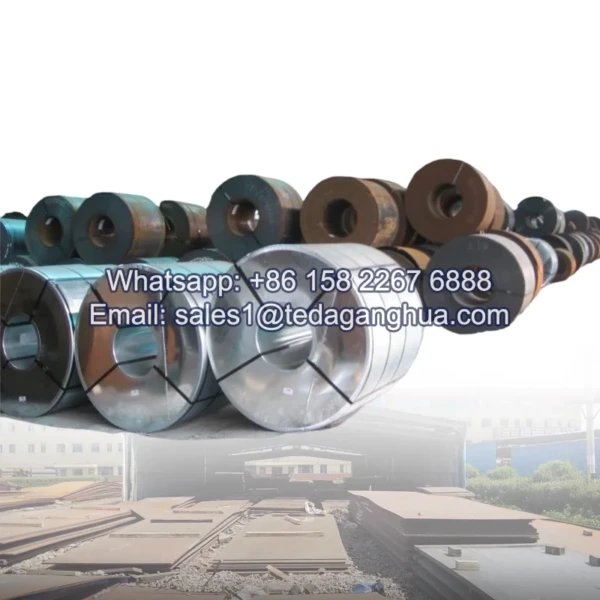
The rust layer of corten wall cladding is formed through either natural weathering or artificial pre-rusting processes. Through controlled oxidation, the steel develops a stable protective patina that gives both decorative and functional benefits.
This rust layer is not a defect but a designed feature, allowing corten steel wall systems to achieve a balance between architectural beauty and long-term outdoor durability.
- คำอธิบาย
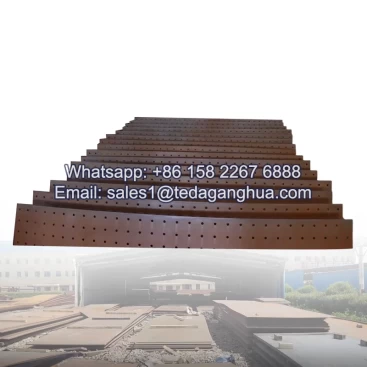
Corten wall cladding refers to exterior or interior wall panels made from weathering steel (เหล็กคอร์เทน). These panels are designed to develop a stable rust-like surface layer that not only provides a unique architectural appearance but also protects the steel underneath from further corrosion.
A key feature of corten wall cladding is the controlled rust layer formation process, which can be natural or artificially accelerated.
Why the Rust Layer Is Important
ต่างจากสนิมเหล็กทั่วไป, the corten steel rust layer is:
- หนาแน่นและมั่นคง
- Strongly bonded to the surface
- Protective rather than destructive
- Visually decorative
- Self-regenerating under correct conditions
This rust layer is what makes corten steel suitable for long-term architectural wall systems.
Main Rust Layer Formation Methods
There are two main methods used to create the corten steel rusted surface:
- Natural weathering process
- Artificial pre-rusting process
1. กระบวนการผุกร่อนตามธรรมชาติ
This is the most traditional method, where the steel develops its rust layer naturally after installation.
ขั้นตอนกระบวนการ:
ขั้นตอน 1: Initial Installation (Bare Steel Surface)
- Fresh corten panels have a dark grey or black appearance
- Surface may include mill scale from rolling process
ขั้นตอน 2: Exposure to Weather Conditions
The steel is exposed to:
- Rainwater
- Oxygen in air
- Humidity changes
- Temperature cycles
ขั้นตอน 3: Active Oxidation Stage
- Rust spots begin to appear
- Surface color changes from grey to brown
- Oxidation spreads unevenly
ขั้นตอน 4: Rust Layer Development
- Orange-brown rust gradually covers the surface
- Repeated wet-dry cycles accelerate formation
- Iron oxide layers form on the surface
ขั้นตอน 5: Stabilization Stage
- Rust layer becomes dense and compact
- Color stabilizes into deep orange-brown tone
- Further corrosion slows significantly
2. Artificial Pre-Rusting Process
สำหรับโครงการสถาปัตยกรรม, a controlled rust appearance is often required before installation.
เหตุใดจึงต้องใช้การขึ้นสนิมเบื้องต้น
- Achieve uniform color before installation
- Avoid uneven rust stains on building site
- Speed up decorative effect
- Ensure consistent architectural appearance
Pre-Rusting Methods:
วิธี 1: Water Spraying Oxidation
- Steel panels are repeatedly sprayed with water
- Exposure to air accelerates oxidation
- Controlled wet-dry cycles form rust layer
วิธี 2: Saltwater or Chemical Treatment
- Mild oxidizing solutions are applied
- Surface reaction is accelerated
- Rust layer forms more quickly and evenly
วิธี 3: Controlled Humidity Chamber
- Panels are placed in controlled environment
- Temperature and humidity are regulated
- Uniform rust development is achieved
3. Rust Layer Stabilization Treatment
After rust formation, some panels undergo stabilization:
- Cleaning loose rust particles
- Controlling runoff during early rain exposure
- Optional sealing treatment (for indoor use)
This helps maintain:
- Color consistency
- Surface cleanliness
- เสถียรภาพของโครงสร้าง
4. Surface Protection Options
Depending on design requirements, corten wall cladding may include:
Natural Finish
- No coating applied
- Rust continues to stabilize naturally outdoors
เคลือบสนิมเสร็จ
- Transparent protective coating
- Reduces rust runoff
- Preserves color appearance
Indoor Decorative Finish
- Fixed rust color
- Prevents further oxidation changes
5. Key Factors Affecting Rust Layer Quality
The final rust appearance depends on:
- Climate conditions (ความชื้น, ปริมาณน้ำฝน)
- Air pollution level
- เวลารับสัมผัสเชื้อ
- Steel composition (ลูกบาศ์ก, Cr, Ni content)
- คุณภาพการเตรียมพื้นผิว
- Drainage design of the building
6. Common Applications of Corten Wall Cladding
อาคารทางสถาปัตยกรรม
- Building exterior walls
- Commercial facades
- Cultural buildings
ภูมิสถาปัตยกรรม
- Garden walls
- Outdoor screens
- Park installations
ตกแต่งภายใน
- Feature walls
- Industrial-style interiors
- Restaurant and hotel design
7. Advantages of Controlled Rust Layer
- Unique natural aesthetic
- No paint required
- Low maintenance requirement
- Long-term durability
- Environmentally friendly surface treatment