- คำอธิบาย
Laser Cladding Wear Plate: The Precision Overlay Technology for Thin Wall and Heat-Sensitive Components
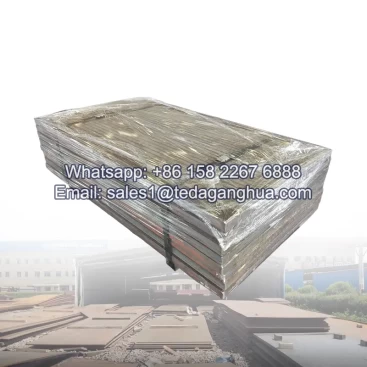
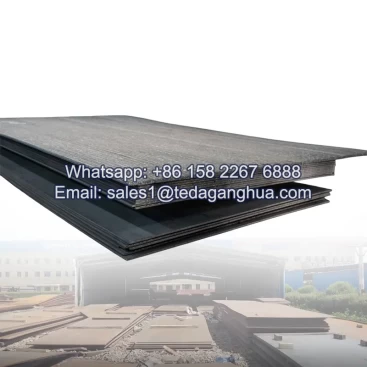
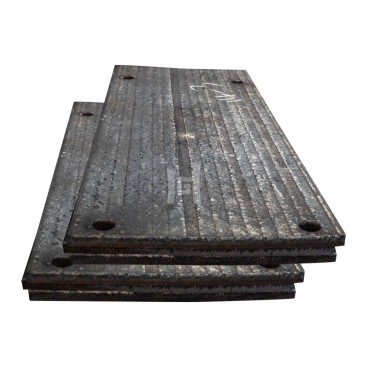
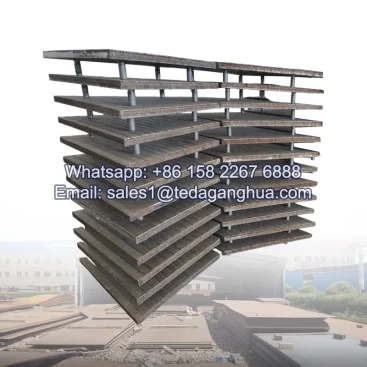
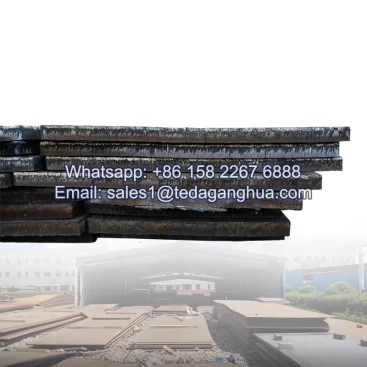
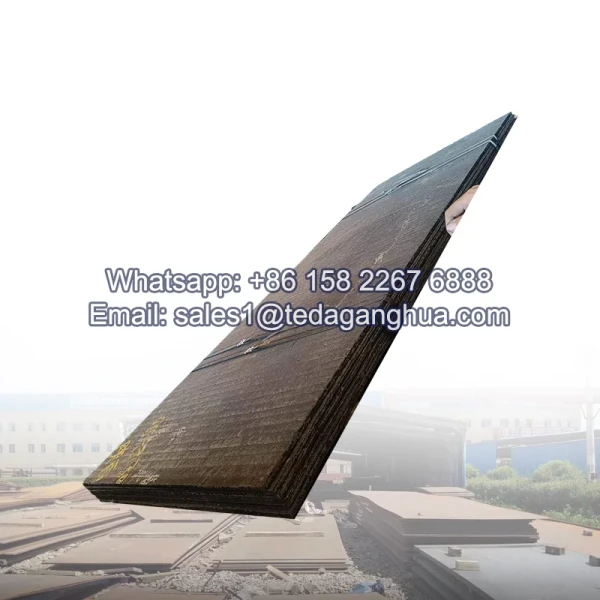
Laser cladding wear plate technology represents one of the most advanced surface engineering solutions for components that require high wear resistance while maintaining dimensional accuracy and minimizing thermal damage.
Unlike conventional welding overlay methods, laser cladding uses a highly concentrated laser beam to create a controlled metallurgical bond between the substrate and wear-resistant alloy layer. The process delivers extremely low dilution, minimal heat input, and precise thickness control.
1. What Is Laser Cladding Technology?
Laser cladding is an additive surface modification process that uses a high-energy-density laser beam to partially melt the substrate surface while simultaneously introducing alloy powder or wire material into the molten pool.
After rapid solidification, a dense metallurgical coating is formed with excellent bonding strength and controlled microstructure.
| Laser Cladding Process Step | การทำงาน |
|---|---|
| High-energy laser beam | Creates a localized melting zone on the substrate |
| Powder or wire feeding | Adds wear-resistant alloy materials |
| Rapid cooling and solidification | Creates refined microstructure with high hardness |
| Final machining | Restores precise dimensions and surface finish |
2. Why Low Dilution Rate Defines Laser Cladding Performance
One of the biggest advantages of laser cladding is its extremely low dilution rate, typically below 3%.
A lower dilution rate means fewer base metal elements enter the overlay layer, allowing the deposited alloy to maintain its designed chemical composition and hardness.
| พารามิเตอร์ | การหุ้มด้วยเลเซอร์ | Traditional Overlay Welding |
|---|---|---|
| Dilution Rate | <3% | 10-25% |
| อินพุตความร้อน | ต่ำมาก | สูง |
| Heat Affected Zone | Narrow | Larger |
| ความหนาซ้อนทับ | 0.3-2 มม | 3-10 มม.+ |
| Dimensional Accuracy | ยอดเยี่ยม | ปานกลาง |
3. Key Advantages of Laser Cladding Wear Protection
Minimal Thermal Deformation
Because laser energy is concentrated into a very small area, the surrounding material experiences limited temperature exposure.
- Reduced distortion of precision components
- Narrow heat affected zone
- Suitable for thin-wall parts
Precision Wear Layer Control
- Overlay thickness control: approximately 0.3-2 มม
- Uniform alloy distribution
- Excellent surface finish after machining
- Suitable for complex geometries
Superior Metallurgical Bond
Laser cladding creates a true metallurgical fusion zone between the substrate and coating, avoiding the peeling risks associated with mechanical attachment methods.
4. Typical Applications of Laser Cladding Wear Plates and Components
| แอปพลิเคชัน | Reason for Using Laser Cladding |
|---|---|
| Valve sealing surfaces | Requires wear resistance and precise sealing dimensions |
| Screw conveyors and extruder screws | Needs abrasion protection without affecting geometry |
| Molds and tooling components | Requires surface repair with minimal distortion |
| Hydraulic components | Needs corrosion and wear-resistant surfaces |
| Precision industrial parts | Requires controlled coating thickness |
5. Laser Cladding vs SAW vs Open Arc Overlay: Complete Comparison
| Technology | การหุ้มด้วยเลเซอร์ | SAW Overlay | Open Arc Overlay |
|---|---|---|---|
| ข้อได้เปรียบหลัก | Precision and low heat input | High-quality large-area deposition | High deposition efficiency |
| Dilution Rate | <3% | 10-15% | 15-25% |
| Typical Layer Thickness | 0.3-2 มม | 3-10 มม | 4-12 มม |
| Deposition Efficiency | Low-Medium | สูง | สูงมาก |
| ระดับต้นทุน | Highest | ปานกลาง | ต่ำกว่า |
| Best Application | Precision and heat-sensitive components | Large-area wear protection | Heavy-duty industrial repair |
6. When Should You Choose Laser Cladding Instead of Traditional Overlay?
Laser cladding is the preferred solution when conventional welding processes create unacceptable thermal distortion or excessive coating thickness.
- Thin components requiring wear protection
- Precision parts requiring dimensional control
- Expensive components requiring repair instead of replacement
- Applications requiring customized alloy surfaces
For large mining liners, น้ำตก, and bulk material handling plates, traditional chromium carbide overlay remains the more economical choice because of its higher deposition efficiency.
7. Teda Ganghua Wear-Resistant Overlay Solutions
Teda Ganghua provides advanced wear-resistant material solutions for industries requiring long service life and reduced maintenance costs.
ผลิตภัณฑ์ของเราประกอบด้วย:
- แผ่นปิดโครเมียมคาร์ไบด์
- Customized hardfacing solutions
- Wear-resistant composite plates
- Precision cutting and fabrication services
- Engineering support for material selection
By combining advanced alloy technology with strict quality control, Teda Ganghua helps customers improve equipment durability in mining, ปูนซีเมนต์, เหล็ก, พลัง, และงานอุตสาหกรรมหนัก.
Learn more:
บทสรุป
Laser cladding provides unmatched precision, extremely low dilution, and minimal thermal impact, making it ideal for thin-wall and heat-sensitive components. SAW and Open Arc technologies remain better choices for large-area and heavy-duty wear protection.
Choosing the correct overlay technology depends on the balance between precision requirements, wear severity, component size, and production cost.