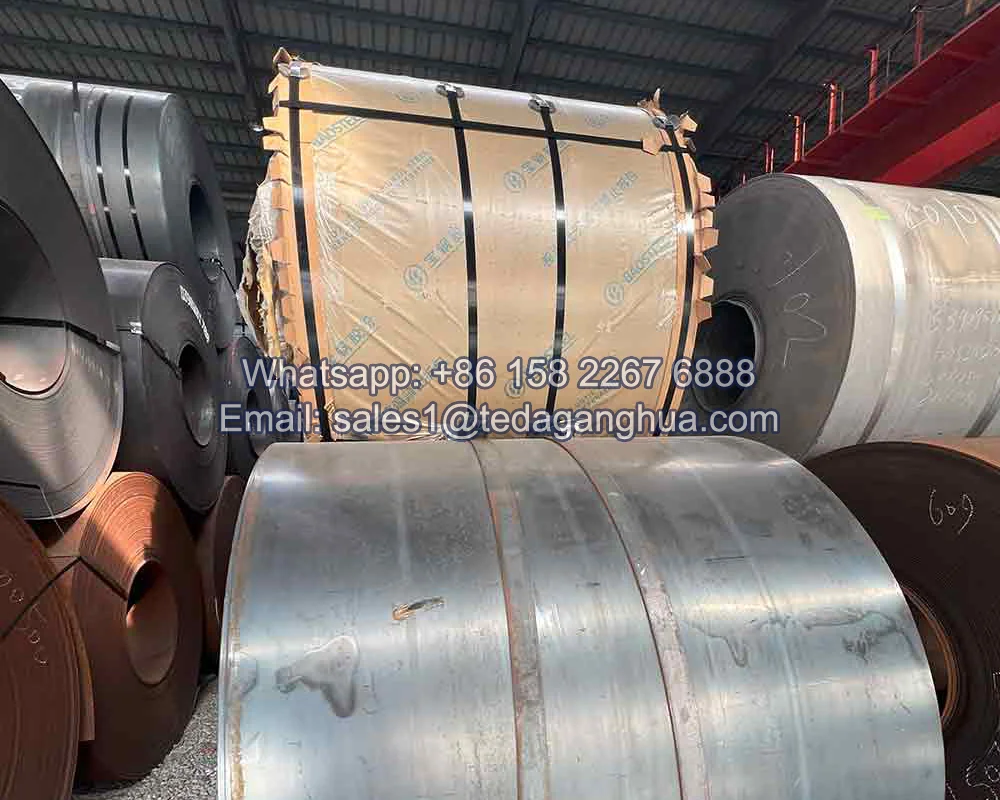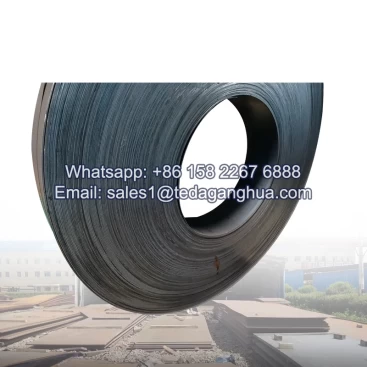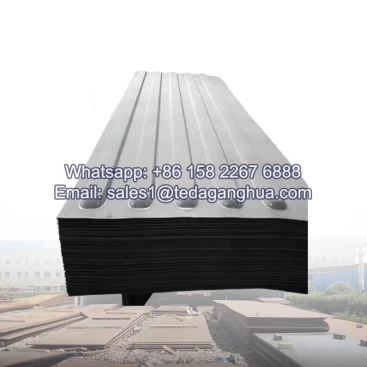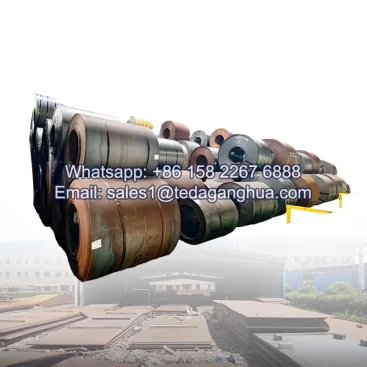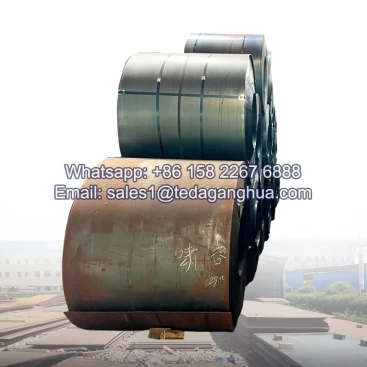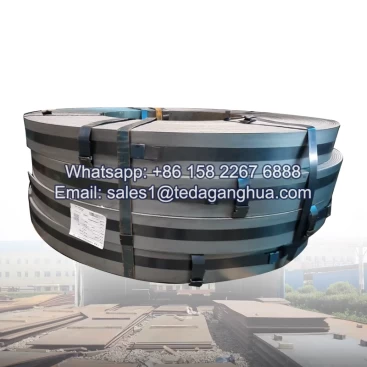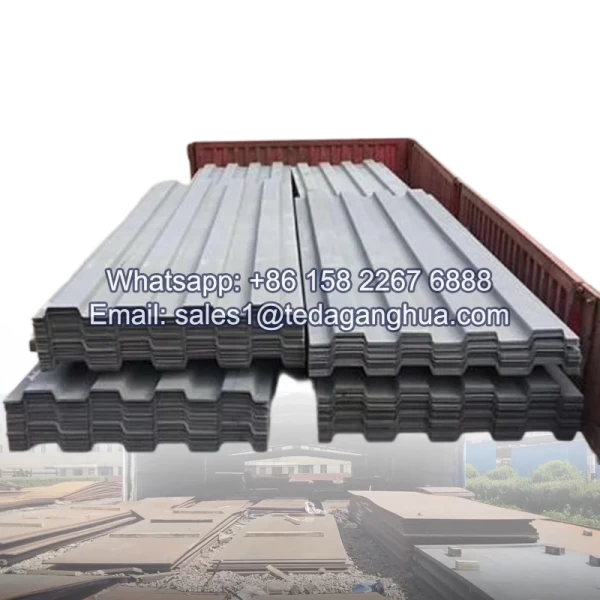
แผงหลังคาคอนเทนเนอร์ขนส่งสินค้า
Corten steel is used for shipping container roof panels because it offers a combination of high atmospheric corrosion resistance, strong structural performance, อายุการใช้งานยาวนาน, และความต้องการการบำรุงรักษาต่ำ. Its ability to form a stable protective rust layer makes it especially suitable for harsh outdoor and marine environments. In addition, its excellent formability allows it to be processed into corrugated roof structures that meet the strength and durability requirements of modern shipping containers.
- คำอธิบาย
Shipping container roof panels are typically made from เหล็กคอร์เทน (ผุกร่อนเหล็ก), a low-alloy steel designed for long-term outdoor exposure. In shipping containers, roof panels are one of the most critical components because they are constantly exposed to rain, แสงแดด, ลม, and mechanical loading during transport and stacking.
The reason corten steel is widely used instead of ordinary carbon steel is based on its ความต้านทานการกัดกร่อน, ความแข็งแรงของโครงสร้าง, and long service life in harsh environments.
1. ทนต่อการกัดกร่อนในบรรยากาศได้ดีเยี่ยม
The most important reason corten steel is used for container roof panels is its ability to form a protective rust layer (คราบ).
มันทำงานอย่างไร:
- In the early stage, surface iron reacts with oxygen and moisture
- Alloy elements such as copper, โครเมียม, and nickel are activated
- A dense oxide layer gradually forms
- This layer blocks further penetration of oxygen and water
แตกต่างจากเหล็กกล้าคาร์บอนทั่วไป, which continues to rust deeper, corten steel rust becomes self-protective and stable.
2. Strong Performance in Outdoor Exposure
Container roof panels are exposed to extreme environmental conditions:
- Heavy rain
- High UV radiation
- Temperature changes
- Long-distance ocean transport
- Humid and dry cycling environments
Corten steel performs well under these conditions because it is designed for atmospheric weathering environments, especially where wet-dry cycles occur.
3. High Structural Strength for Roof Loads
Shipping container roofs must withstand:
- Stacking load from upper containers
- Wind pressure during transport
- Temporary walking load during maintenance
- Impact from cargo handling
Corten steel maintains high mechanical strength:
- Good yield strength (typically ≥ 345 MPa)
- Excellent rigidity after corrugation forming
- Stable deformation resistance
This ensures structural safety during long-term container use.
4. No Need for Frequent Painting or Coating
Traditional carbon steel requires:
- Anti-rust primer
- Top coating paint
- Regular repainting during service life
Corten steel eliminates most of these requirements because:
- ชั้นสนิมนั้นทำหน้าที่ป้องกัน
- No coating failure risk (peeling, cracking)
- Reduced maintenance cost over long-term use
This is especially important for global shipping containers that operate in different climates.
5. Long Service Life in Harsh Logistics Environments
Shipping containers are reused for many years and exposed to:
- Marine atmosphere
- Industrial pollution
- Mechanical abrasion
- Frequent loading and unloading
Corten steel extends container lifespan by resisting continuous surface corrosion, making it ideal for long-term logistics infrastructure.
6. Good Weldability and Formability
Corten steel can be easily processed into corrugated roof panels through:
- การขึ้นรูปม้วน
- Press forming
- Welding to structural frames
This allows manufacturers to produce standardized container roof systems efficiently while maintaining strength and consistency.
7. Compatibility with Corrugated Design
Roof panels are usually corrugated to improve:
- Water drainage efficiency
- Structural stiffness
- ต้านทานลม
Corten steel works well with corrugated profiles because it retains strength even in thin sheet form, making it ideal for lightweight yet strong roofing structures.