การขัดถูเหล็ก
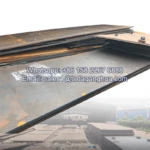
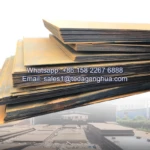
Steel abrasion resistant materials are essential in industries involving heavy friction, ผลกระทบ, and material movement. Wear resistant steel is widely used in mining, การก่อสร้าง, ปูนซีเมนต์, การรีไซเคิล, เกษตรกรรม, and transportation systems where durability and long-term wear protection are critical.
- คำอธิบาย
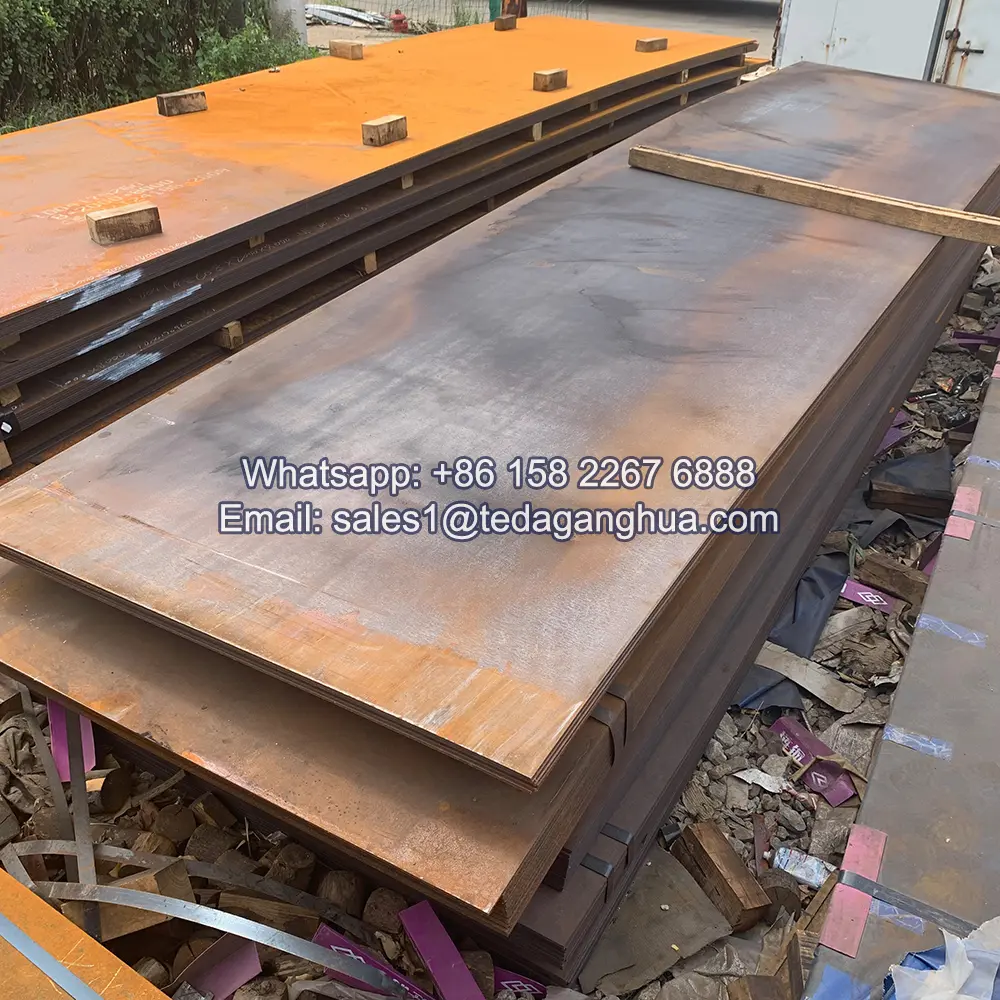
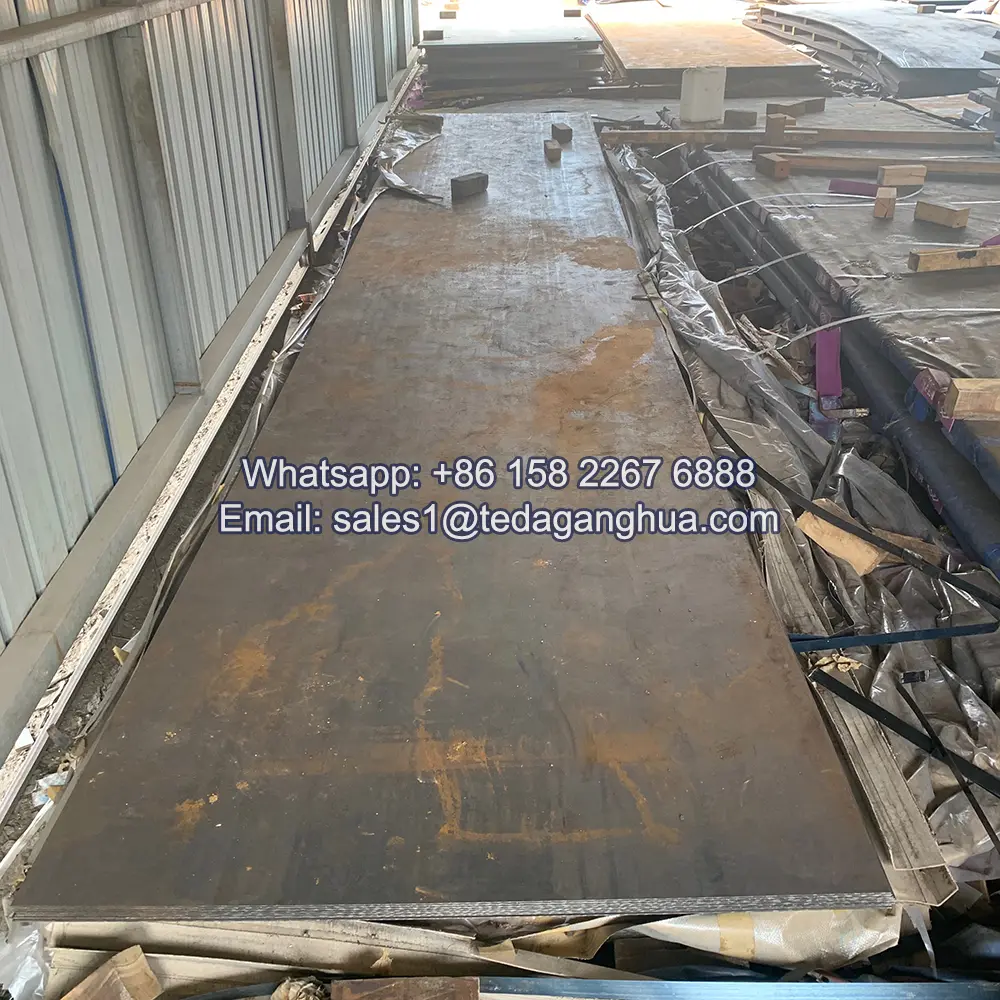
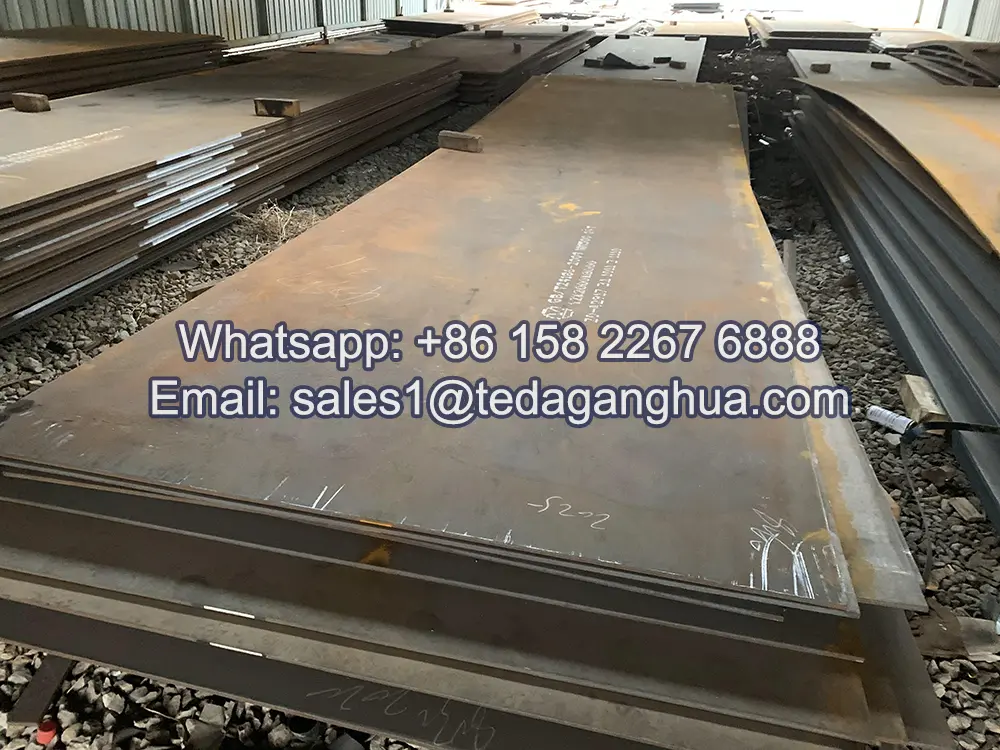
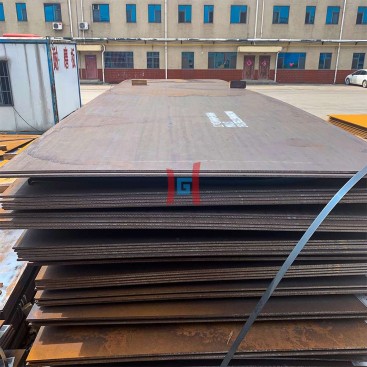
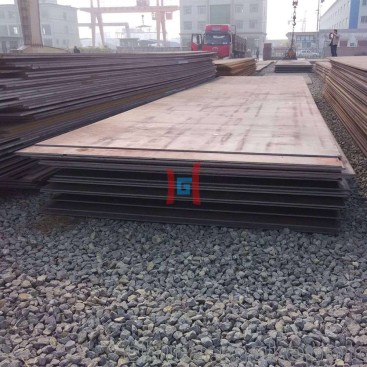
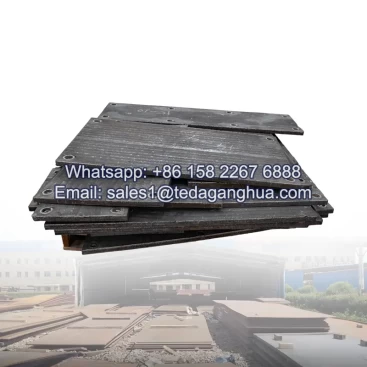
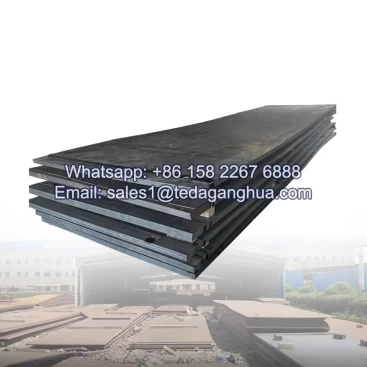
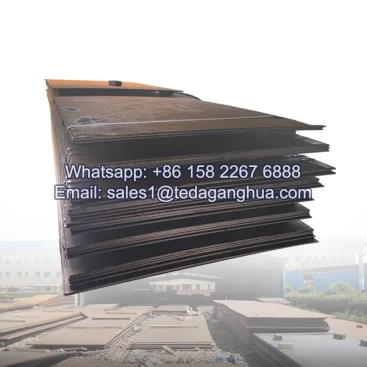
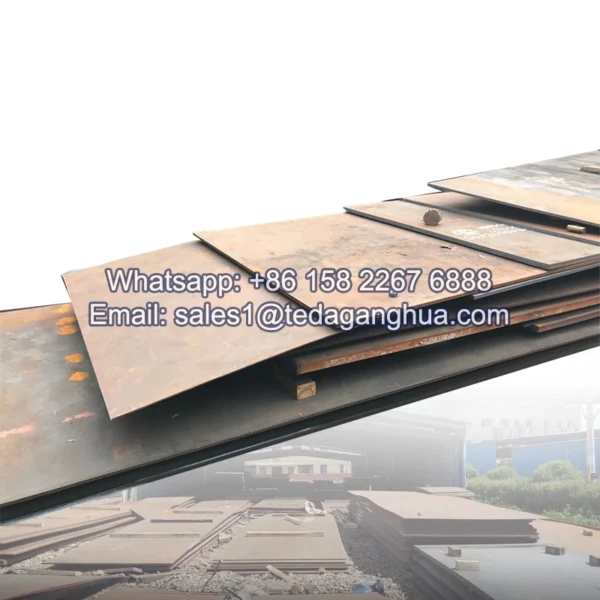
Steel abrasion resistance refers to the ability of steel materials to withstand wear, การเสียดสี, ผลกระทบ, and material loss caused by continuous contact with abrasive substances such as rocks, ทราย, แร่, ถ่านหิน, and metal particles. เหล็กทนต่อการสึกหรอ, also called abrasion resistant steel, is specifically designed for harsh industrial environments where ordinary carbon steel would wear out quickly.
These steels are widely used in industries requiring long service life, การบำรุงรักษาลดลง, และปรับปรุงประสิทธิภาพการดำเนินงาน.
1. Mining Industry Applications
Mining is one of the largest application areas for wear resistant steel.
การใช้งานทั่วไปได้แก่:
- ซับรถบรรทุก
- ถังขุด
- สมุทรบด
- Hopper plates
- Conveyor transfer chutes
- อุปกรณ์คัดกรอง
In mining environments, materials such as ore and stone create severe abrasive wear, requiring high-hardness steel surfaces.
2. Construction Machinery Applications
Heavy construction equipment experiences continuous friction and impact during operation.
การใช้งานทั่วไป:
- ใบมีดรถปราบดิน
- ถังโหลด
- ส่วนประกอบของรถแบ็คโฮ
- Concrete mixing systems
- Earthmoving machine liners
Wear resistant steel improves equipment lifespan and reduces replacement frequency.
3. Cement and Aggregate Industry
Cement plants handle highly abrasive raw materials including limestone, ปูนเม็ด, และทราย.
Common wear steel components:
- สมุทรผสมปูนซีเมนต์
- Grinding equipment plates
- ตัวแยกพายุไซโคลน
- ระบบสายพานลำเลียง
- รางน้ำ
High-hardness wear plates reduce downtime caused by abrasive damage.
4. Agricultural Equipment Applications
Agricultural machinery also requires abrasion resistant steel in high-friction areas.
ตัวอย่างได้แก่:
- Plow blades
- Harvester components
- Soil tillage equipment
- Grain handling systems
Wear steel helps maintain cutting efficiency and structural durability in soil-contact applications.
5. Recycling and Scrap Processing Industry
Metal recycling systems process hard and irregular materials that create severe surface wear.
Applications include:
- Scrap shredders
- Recycling crusher liners
- Metal sorting equipment
- Waste handling systems
Wear resistant steel provides both hardness and impact resistance for demanding recycling operations.
6. Power Generation and Coal Handling
Coal handling systems generate continuous abrasive wear due to material movement.
การใช้งานทั่วไป:
- บังเกอร์ถ่านหิน
- Ash handling equipment
- ปล่องสายพานลำเลียง
- Pulverizer components
Abrasion resistant steel improves operational reliability in thermal power plants.
7. Transportation and Material Handling
Industrial transport systems rely on wear steel to resist friction during material flow.
การใช้งานทั่วไป:
- Conveyor belts support plates
- รางโอน
- ถังเก็บของ
- Loading equipment liners
These systems benefit from reduced maintenance and longer service intervals.
8. Common Wear Resistant Steel Grades
| ระดับ | ความแข็งโดยประมาณ | การใช้งานทั่วไป |
|---|---|---|
| AR400 | ~400เอชบี | General wear environments |
| AR450 | ~450เอชบี | Medium to heavy abrasion |
| AR500 | ~500 ฮ | สภาพการสึกหรอที่รุนแรง |
| Mn13 เหล็กแมงกานีสสูง | งานชุบแข็ง | ผลกระทบสูง + สวมใส่สภาพแวดล้อม |
9. Key Advantages of Wear Resistant Steel
- ยืดอายุการใช้งาน
- ค่าบำรุงรักษาลดลง
- Improved operational efficiency
- Better resistance to abrasion and impact
- Lower equipment downtime