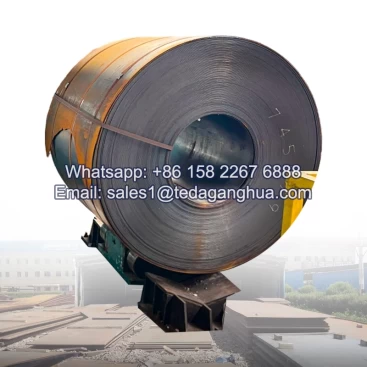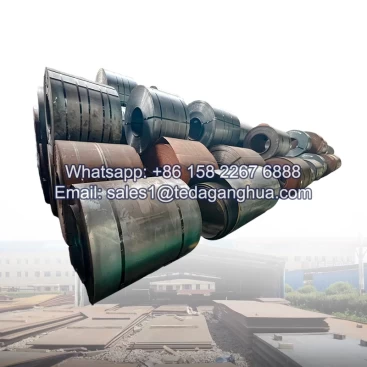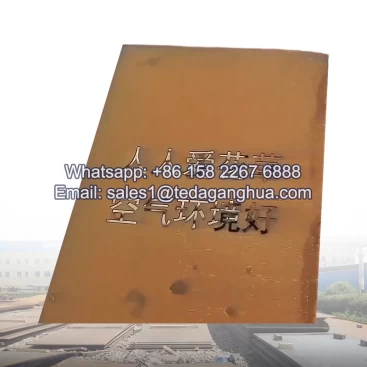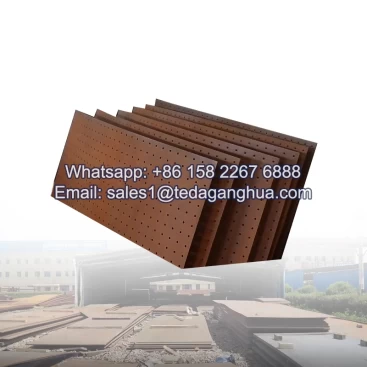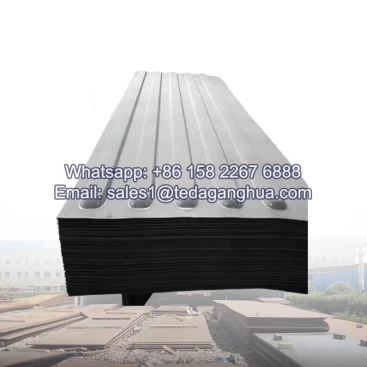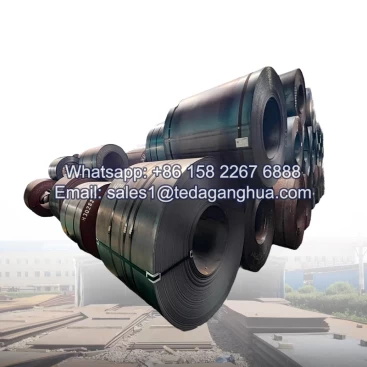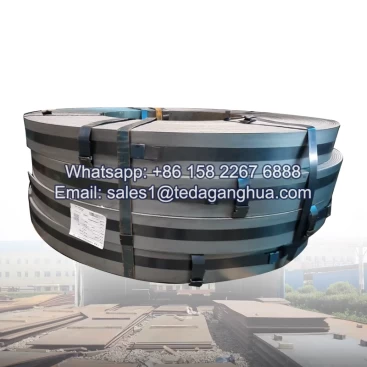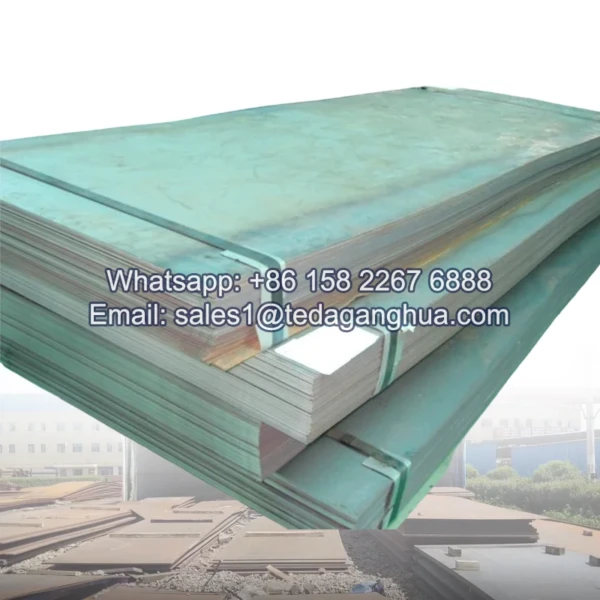
Tấm thép rỉ sét Corten
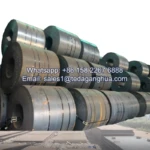
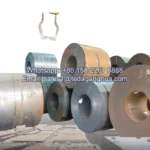
Corten rusted steel panels transform from a dark black or grey surface into a warm orange-brown rust color through natural atmospheric weathering. This process involves controlled oxidation, where the steel reacts with oxygen and moisture to form a stable protective rust layer.
Theo thời gian, the color becomes more uniform and stable, resulting in the signature architectural appearance that makes Corten steel widely used in modern landscape and building design.
- Sự miêu tả
Corten rusted steel panels are made from weathering steel (Thép Corten), designed to naturally develop a protective rust layer when exposed to outdoor environments. Không giống như thép carbon thông thường, Corten steel does not continuously corrode; thay vì, it forms a stable oxide layer that protects the inner material.
One of its most distinctive features is the color transformation process, where the steel gradually changes from a dark black or grey surface into a rich orange-brown rust finish.
Why Corten Steel Starts as Black or Dark Grey
When Corten steel panels are newly produced, the surface typically appears:
- Dark grey
- Bluish-black (mill scale surface)
- Slightly oily or matte industrial finish
This is because:
- The steel comes from hot rolling or cold rolling processes
- A thin oxide “mill scale” layer remains on the surface
- No weathering reaction has occurred yet
Ở giai đoạn này, the steel looks like ordinary carbon steel.
Sân khấu 1: Initial Exposure (Black → Light Rust Spots)
Sau khi lắp đặt ngoài trời, the steel begins reacting with:
- Oxygen in the air
- Độ ẩm (cơn mưa, độ ẩm, sương)
- Environmental pollutants
What Happens:
- Small rust spots appear on the surface
- Color starts shifting from black to brown
- Oxidation begins unevenly
This stage is often called the activation stage.
Sân khấu 2: Active Rusting (Brown → Orange Color Development)
Khi phơi nhiễm tiếp tục, oxidation accelerates.
Surface Changes:
- Rust spreads across the panel
- Color becomes orange-brown
- Surface texture becomes rougher
- Water runoff may show rust staining
This is the most dynamic stage, where color changes rapidly.
The steel is forming iron oxide layers such as:
- Fe₂O₃ (hematit)
- Fe₃O₄ (từ tính)
Sân khấu 3: Ổn định (Orange Rust → Dark Stable Patina)
Sau nhiều chu kỳ lặp đi lặp lại:
- Làm ướt (cơn mưa, độ ẩm)
- Sấy khô (sun and air exposure)
A stable protective layer forms.
Final Appearance:
- Deep orange-brown color
- Dark reddish rust tone
- More uniform surface texture
- Less active corrosion
This is the protective patina layer that defines Corten steel.
Why the Rust Layer Stops Growing
Khác với thép thông thường, Thép Corten chứa các nguyên tố hợp kim như:
- đồng (Củ)
- crom (Cr)
- Niken (TRONG)
These elements help create a dày đặc, lớp oxit bám dính that:
- Ngăn chặn sự xâm nhập của oxy
- Reduces moisture contact
- Slows further corrosion
- Stabilizes surface appearance
This is why the rust becomes “protective” instead of destructive.
Color Development Timeline (Đặc trưng)
| Time | Vẻ bề ngoài |
|---|---|
| 0–1 week | Dark grey / black steel |
| 1–4 weeks | Light brown rust spots |
| 1–3 months | Orange-brown full coverage |
| 3–6 months | Stable rust patina |
| 6+ months | Mature dark rust appearance |
Actual time depends on:
- Khí hậu (độ ẩm, lượng mưa)
- Mức độ ô nhiễm không khí
- Thay đổi nhiệt độ
- Surface treatment conditions
Why Corten Steel Color Is Popular in Architecture
The black-to-orange transformation is highly valued because:
- It creates a natural, organic aesthetic
- No painting is required
- Each panel develops a unique texture
- It blends well with landscapes and modern architecture
- The color becomes richer over time
Architects often prefer this “living material” effect.
Important Installation Note
During early rusting stages:
- Rust runoff may occur
- Surrounding surfaces may be stained
- Proper drainage design is required
This is a normal part of the weathering process.