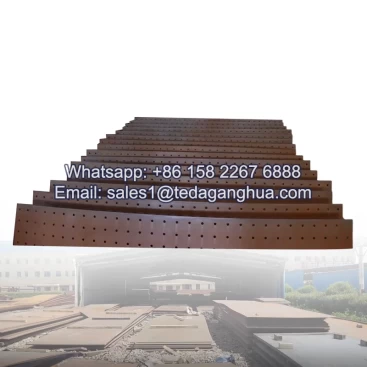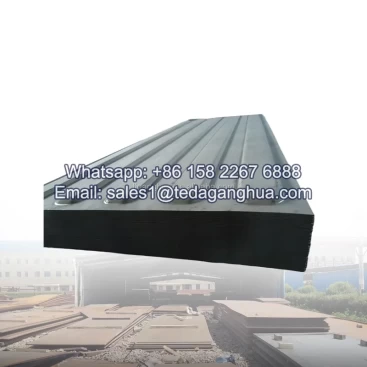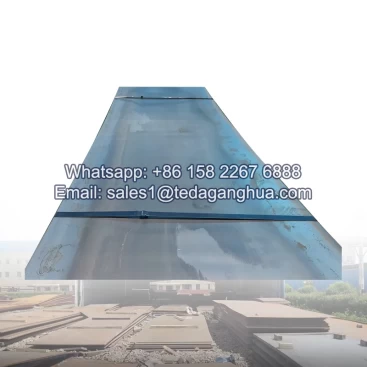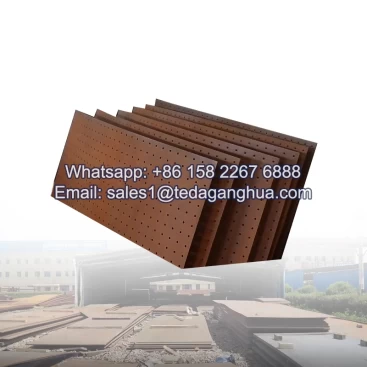
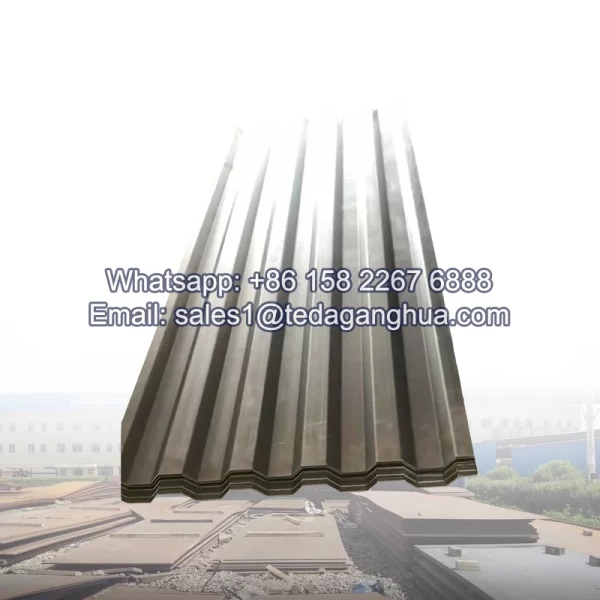
Thùng thép Corten
Corten steel containers are assembled through a standardized structure that includes a steel frame, corrugated side panels, tấm mái, floor system, and door assembly. Each component is designed for high strength, độ bền, and ease of transport. In practical use, these containers are widely applied in shipping logistics, storage systems, and modular construction due to their excellent structural performance, khả năng chống chịu thời tiết, và tuổi thọ dài.
- Sự miêu tả
Corten steel containers are shipping or storage containers manufactured mainly from weathering steel (thép corten). This material is widely used because it provides high structural strength and forms a stable protective rust layer when exposed to outdoor environments. The container structure is designed for long-term use in logistics, vận tải, and modular construction systems.
The performance of corten steel containers depends not only on the material, but also on the standardized assembly structure and usage methods.
1. Basic Structure of Corten Steel Containers
A standard corten steel container is composed of several key parts:
- Corner posts (load-bearing vertical structure)
- Top frame (roof support system)
- Bottom frame (load-bearing base structure)
- Corrugated side panels (corten steel sheets)
- Corrugated roof panel (weather protection layer)
- Floor system (thép + wooden or composite floor)
- Door assembly (locking and sealing system)
Each part is designed to work together to ensure structural stability and durability during transport and stacking.
2. Assembly Process of Corten Steel Containers
1. Frame Construction
The assembly begins with the steel frame system, which forms the main load-bearing structure:
- Corner posts are positioned first
- Top and bottom beams are welded to form a rigid rectangle
- Structural alignment is checked for dimensional accuracy
This frame carries most of the stacking and lifting load.
2. Installation of Corrugated Side Panels
Corten corrugated steel sheets are then installed on the frame:
- Panels are aligned with the steel structure
- Welded or riveted depending on design requirements
- Corrugation provides additional stiffness
- Panels act as both enclosure and reinforcement
These side panels provide wind resistance and structural enclosure.
3. Roof Panel Installation
The roof panel is mounted on the top frame:
- Usually lighter gauge corten steel sheet
- Fixed by welding or seam connections
- Designed for water drainage and weather protection
- Corrugated profile improves stiffness and runoff efficiency
The roof is critical for protecting cargo or interior space from rain and UV exposure.
4. Floor System Installation
The bottom structure includes:
- Steel support beams
- Cross members for load distribution
- Wooden or composite floor panels
The floor system is designed to:
- Carry heavy cargo loads
- Resist forklift impact
- Distribute weight evenly to the frame
5. Door Assembly
The container door system includes:
- Steel door frame
- Locking rods and handles
- Rubber sealing system
- Hinges welded to corner posts
Doors are designed for airtight and secure closure during transport.
3. Welding and Connection Methods
Corten steel containers mainly use:
- Continuous welding for structural frames
- Spot welding for panel fixing
- Riveting or bolting in some modular designs
Welding ensures strong structural integrity, especially for containers used in marine transport.
4. Usage Methods of Corten Steel Containers
1. Shipping and Logistics Transport
The primary use is global cargo transportation:
- Sea freight
- Rail transport
- Truck logistics
Containers are designed for repeated stacking and handling.
2. Storage Applications
Corten containers are widely used as:
- Industrial storage units
- Equipment storage rooms
- Temporary warehouse modules
Their weather resistance makes them suitable for long-term outdoor storage.
3. Modular Construction Systems
In modern architecture, corten containers are reused for:
- Office buildings
- Commercial shops
- Residential modular houses
- Pop-up retail spaces
Containers can be combined horizontally or vertically to form larger structures.
4. Landscape and Industrial Design
Corten containers are also used in:
- Industrial-style architecture
- Outdoor exhibitions
- Temporary event structures
- Landscape installations
Their rusted appearance provides a strong visual design effect.
5. Key Advantages in Assembly and Use
1. High Structural Integrity
The combination of steel frame and corrugated corten panels provides excellent strength for stacking and transport.
2. Tuổi thọ dài
The weathering steel surface forms a protective patina that reduces corrosion in outdoor environments.
3. Easy Modular Expansion
Containers can be:
- Stacked vertically
- Connected side by side
- Modified into modular buildings
4. Yêu cầu bảo trì thấp
Compared with painted steel structures, corten containers require minimal surface maintenance during service life.