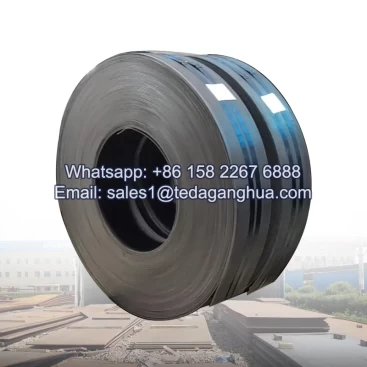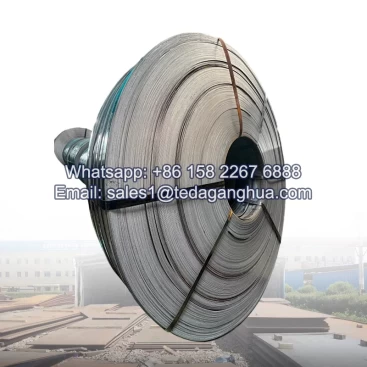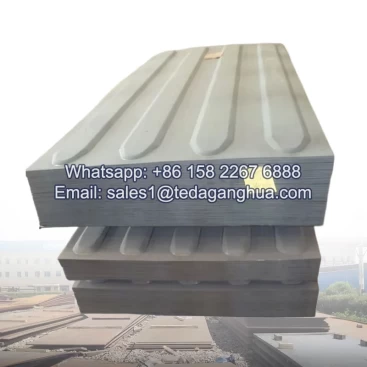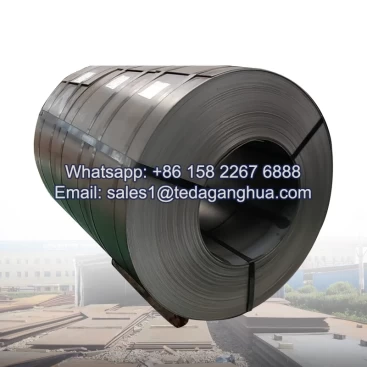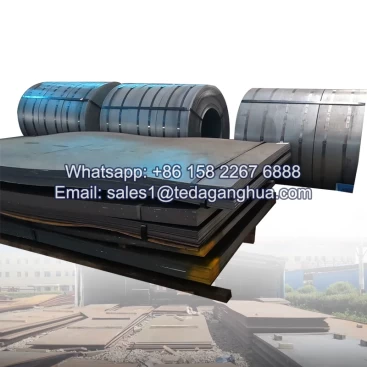
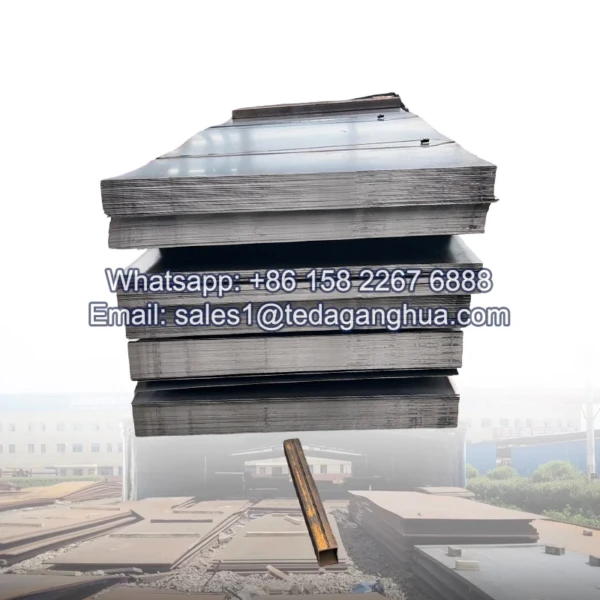
Chi phí tấm thép Corten
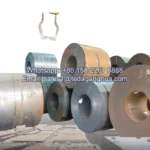
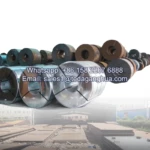
Corten steel panels are generally more expensive than carbon steel panels due to their alloy composition and weather-resistant performance, but they offer better long-term durability and architectural appearance.
Compared with alloy steel panels, corten steel focuses more on corrosion resistance and decorative value, while alloy steel focuses on strength and engineering performance. The final cost difference depends on the application requirements, độ dày, and processing complexity.
- Sự miêu tả
Corten steel panels are made from weathering steel, which contains alloying elements that improve corrosion resistance and create a protective rust layer. The cost of corten panels is influenced by:
- Lớp vật liệu (Corten A, Corten B, ASTM A588, vân vân.)
- Panel thickness
- Sheet size and fabrication complexity
- Tình trạng bề mặt (hoàn thiện nhà máy hoặc rỉ sét trước)
- Cắt, uốn cong, and welding requirements
- Order quantity and project specifications
Compared with standard steel materials, corten steel has a different cost structure due to its alloy composition and architectural demand.
So sánh chi phí: Corten Steel vs Carbon Steel Panels
Carbon steel is the most basic and widely used steel material, while corten steel is a weathering alloy steel designed for outdoor exposure.
| Mục | Tấm thép Corten | Carbon Steel Panels |
|---|---|---|
| Loại vật liệu | Weathering alloy steel | Plain carbon steel |
| Chống ăn mòn | Cao (lớp rỉ sét tự bảo vệ) | Thấp (requires coating/painting) |
| Surface appearance | Lớp gỉ trang trí | Grey industrial finish |
| Chi phí vật liệu ban đầu | Cao hơn | Thấp hơn |
| Chi phí bảo trì | Thấp | Cao (painting or coating required) |
| Độ bền ngoài trời | Xuất sắc | Bị giới hạn mà không có sự bảo vệ |
Key Difference in Cost Logic
- Carbon steel is cheaper at purchase stage
- Corten steel is more expensive initially but reduces long-term maintenance costs
So sánh chi phí: Corten Steel vs Alloy Steel Panels
Alloy steel panels include a wide range of steels with added elements such as manganese, crom, niken, or molybdenum to improve mechanical strength.
| Mục | Tấm thép Corten | Alloy Steel Panels |
|---|---|---|
| Main purpose | Outdoor weather resistance + decoration | High strength and mechanical performance |
| Chống ăn mòn | Xuất sắc (self-protecting layer) | Khác nhau (usually needs coating) |
| Strength level | Trung bình đến cao | High to very high |
| Vẻ bề ngoài | Rusted architectural finish | Industrial metal appearance |
| Cost level | Trung bình đến cao | Often higher depending on grade |
Sự khác biệt về cơ cấu chi phí
- Corten steel cost focuses on weather resistance and appearance value
- Alloy steel cost focuses on mechanical strength and performance requirements
Why Corten Steel Panels Are More Expensive Than Carbon Steel
Thép Corten chứa các nguyên tố hợp kim như:
- đồng (Củ)
- crom (Cr)
- Niken (TRONG)
- Phốt pho (P)
These elements increase:
- Chống ăn mòn
- Atmospheric durability
- Hình thành lớp rỉ sét tự bảo vệ
This makes corten steel more expensive than carbon steel, but more suitable for outdoor architectural use.
Long-Term Cost Perspective
Tấm thép Corten
- Không cần sơn
- No coating maintenance
- Stable rust layer over time
- Chi phí bảo trì vòng đời thấp hơn
Carbon Steel Panels
- Requires painting or galvanizing
- Regular maintenance needed
- Higher long-term maintenance cost
Alloy Steel Panels
- Phụ thuộc vào lớp
- May require surface protection
- Maintenance varies by application
Quyết định chi phí dựa trên ứng dụng
Choose Corten Steel Panels When:
- Architectural facades are required
- Decorative landscape design is needed
- Long-term outdoor durability is important
- Ưu tiên bảo trì thấp
Choose Carbon Steel Panels When:
- Budget is the main concern
- Temporary structures are used
- Industrial non-decorative applications
- Easy coating protection is available
Choose Alloy Steel Panels When:
- High strength is required
- Mechanical performance is critical
- Engineering structures are involved
Độ dày tác động đến chi phí
| độ dày | Cost Impact |
|---|---|
| 1–3 mm | Lower cost range |
| 3–6 mm | Phạm vi chi phí trung bình |
| 6–10 mm | Chi phí cao hơn do trọng lượng |
| 10 mm+ | Structural heavy-duty cost |