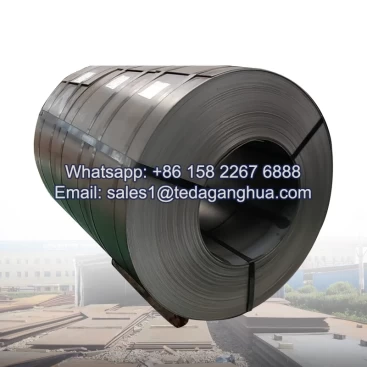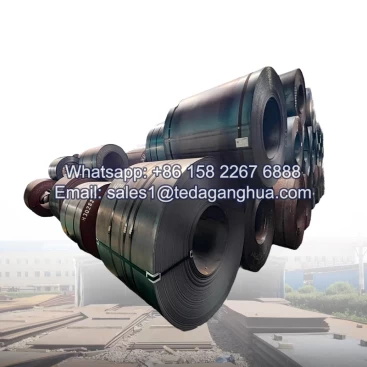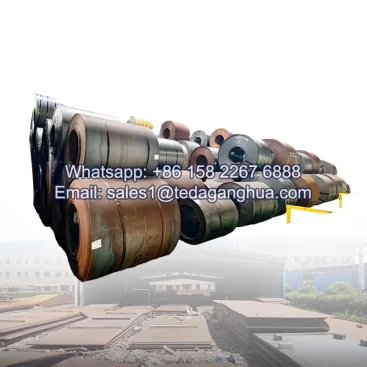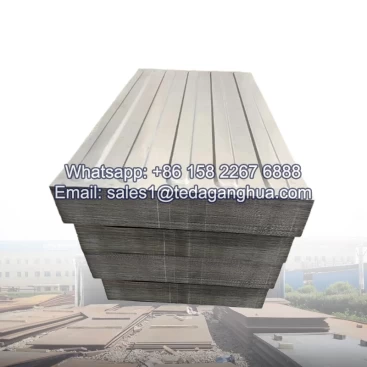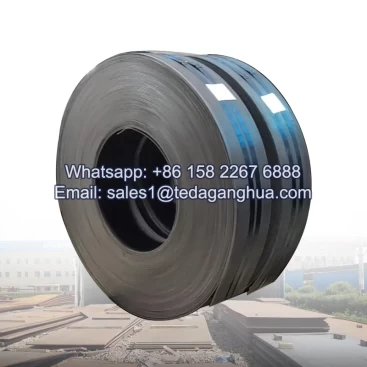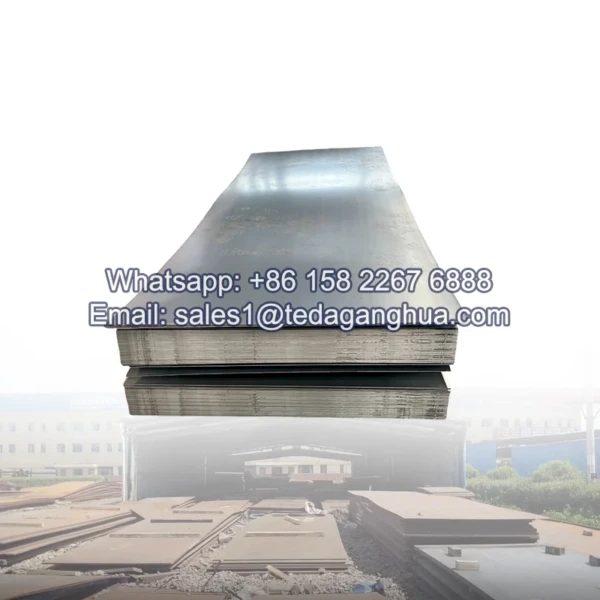
Tấm thép Corten
Corten Steel Sheets offer a combination of excellent mechanical strength, flexible processing capability, and unique weathering performance. Through cutting, uốn cong, hàn, và chế tạo, the material can be formed into a wide range of architectural and industrial products. Its ability to develop a protective rust patina makes it a durable and low-maintenance solution for outdoor applications.
- Sự miêu tả
Tấm thép Corten, also known as weathering steel sheets, are low-alloy steel plates designed to form a stable protective oxide layer when exposed to atmospheric conditions. This unique material combines structural strength with long-term corrosion resistance, making it widely used in architecture, cảnh quan, vận tải, và ứng dụng công nghiệp.
Common Processing Techniques
Corten steel sheets can be processed using a variety of conventional metal fabrication methods. Proper handling is important to preserve material integrity and ensure optimal performance in service.
Cutting Processes
Corten steel sheets can be cut into different shapes and sizes depending on project requirements.
- Laser cutting for high precision components
- Plasma cutting for thick plates
- Waterjet cutting for heat-sensitive designs
- Shearing for straight-line cutting
Laser cutting is commonly used in architectural applications due to its accuracy and clean edge quality.
Uốn và tạo hình
The material has good ductility and can be formed into complex shapes.
- Press braking for angled components
- Roll forming for curved panels
- Cold bending for structural elements
Proper bending radius control is required to avoid surface cracking or deformation.
Quá trình hàn
Corten steel sheets are weldable using standard welding methods.
- MIG welding
- TIG welding
- Shielded metal arc welding (SMAW)
Welding consumables are often selected to match weathering properties to maintain consistent corrosion behavior.
Surface Treatment and Weathering Preparation
Unlike conventional steel, corten steel does not require painting. Tuy nhiên, surface preparation is important:
- Removal of oil and contaminants
- Controlled exposure to atmospheric conditions
- Avoidance of trapped moisture areas
- Ensuring proper drainage in final structures
These steps help ensure uniform patina formation.
Fabrication and Assembly
Corten steel sheets are commonly fabricated into finished products such as:
- Panels
- Cladding systems
- Màn trang trí
- Thành phần kết cấu
- Landscape elements
Assembly methods include bolting, hàn, and mechanical fastening depending on application requirements.
Đặc tính hiệu suất
Chống ăn mòn khí quyển tuyệt vời
Corten steel develops a dense and stable oxide layer when exposed to alternating wet and dry conditions. This layer protects the underlying steel and slows further corrosion.
Self-Protecting Patina Formation
The rust layer formed on Corten steel is not flaky. Thay vì, it adheres tightly to the surface and acts as a protective barrier.
High Mechanical Strength
Corten steel sheets retain the strength of structural steel, making them suitable for load-bearing and architectural applications.
Yêu cầu bảo trì thấp
Once the protective patina is fully formed, the material typically does not require painting or additional coating maintenance.
Distinctive Visual Appearance
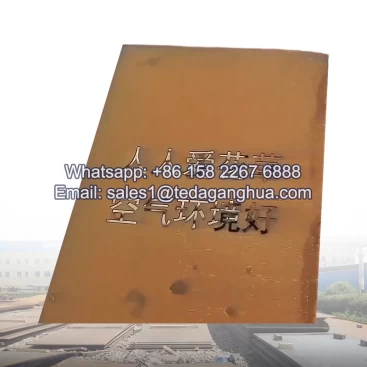
The material evolves from a metallic gray surface to a warm reddish-brown tone, which is widely valued in modern architectural design.
Performance During Processing
| Quá trình | Performance Behavior |
|---|---|
| Cắt | Clean edges with minimal deformation |
| uốn | Good formability with proper radius control |
| hàn | Stable weld quality with proper filler selection |
| phong hóa | Gradual and uniform patina development |
| Assembly | Compatible with mechanical and welded joints |
Application Performance Benefits
- Độ bền ngoài trời lâu dài
- Giảm chi phí bảo trì vòng đời
- Strong resistance to atmospheric exposure
- Aesthetic integration with natural environments
- Suitable for both structural and decorative use