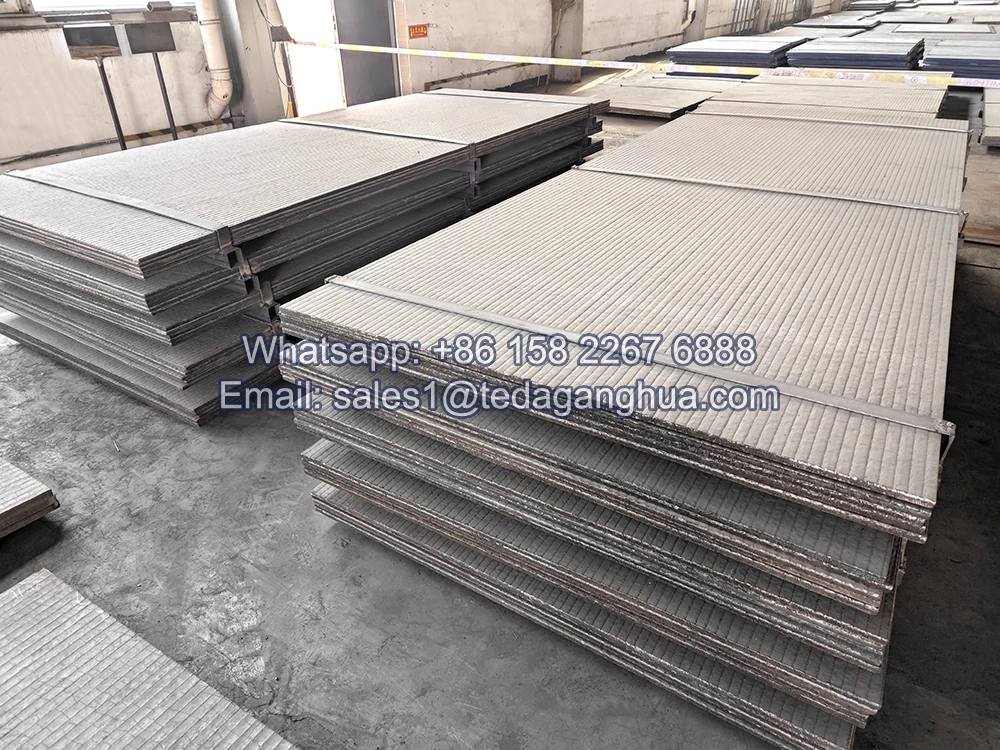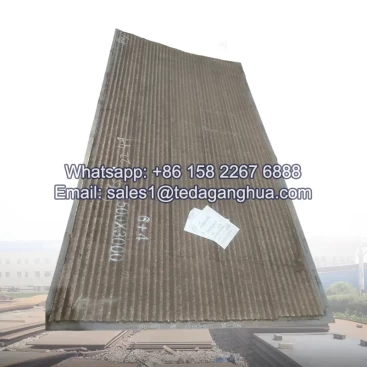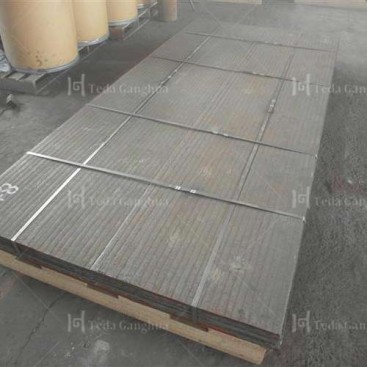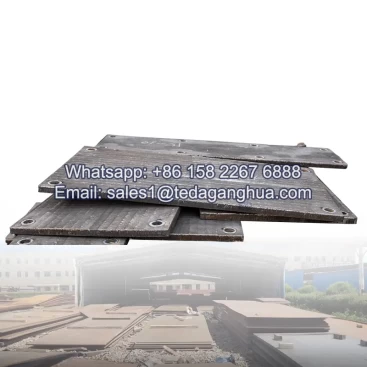
碳化铬板价格


这 碳化铬板价格 is strongly influenced by chromium content in the overlay layer. Higher chromium levels lead to better wear resistance but also increase material and production costs.
- 描述
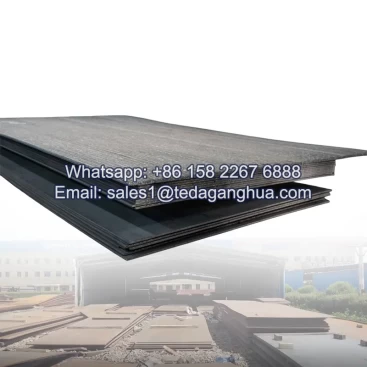
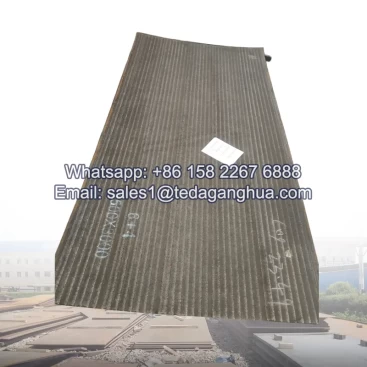
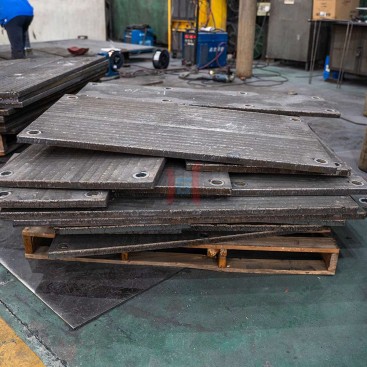
碳化铬板价格 is not fixed and can vary significantly depending on material composition, especially the chromium content in the weld overlay layer. As a typical weld overlay wear plate, its cost is closely related to alloy design, welding wire type, and required wear performance.
Among all influencing factors, chromium content is one of the most important.
Why Chromium Content Affects Price
Chromium is the key alloying element used to form hard carbide phases in the overlay layer. Higher chromium content usually means:
- More complex alloy wire production
- Higher raw material cost
- Increased wear resistance performance requirements
- More controlled welding process
因为这, 焊接材料的成本直接影响最终板材的价格.
铬含量与价格水平的关系
一般来说, 随着铬含量的增加, 的价格 碳化铬板 由于性能要求的提高,也会增加.
典型趋势:
| 堆焊层铬含量 | 材料特性 | 相对价格水平 |
|---|---|---|
| 低铬 (约 15%–20%) | 基本耐磨性 | 降低 |
| 中铬 (20%–28%) | 平衡的硬度和韧性 | 中等的 |
| 高铬 (28%–35%+) | 优异的耐磨性 | 更高 |
更高的铬含量需要更多的合金输入和更精确的焊接控制, 这增加了制造成本.
影响价格的其他因素
除了铬含量, 其他几个因素也会影响定价:
1. 覆盖层厚度
较厚的耐磨层需要更多的焊接材料和更长的生产时间.
2. 底板厚度
较重的基板增加了总材料成本和重量.
3. 焊接工艺
不同的工艺 (开弧, 埋弧, ETC。) affect production efficiency and cost.
4. Custom Cutting and Fabrication
Special sizes or shapes increase processing cost.
5. Application Grade Requirement
High-wear industrial grades require stricter quality control and higher cost materials.
Price vs Performance Balance
While higher chromium content increases cost, it also significantly improves service life:
- Higher chromium → longer wear resistance
- Lower chromium → lower initial cost but shorter lifespan
在许多工业应用中, selecting higher chromium content reduces long-term replacement and maintenance cost.